
Abbot Suger (c. 1081–1151): Abbot, Statesman, and Patron of Gothic Architecture
French abbot of Saint-Denis, advisor to Kings Louis VI and Louis VII, and an influential patron who sponsored the early Gothic rebuilding of Saint-Denis and wrote about church administration and art.
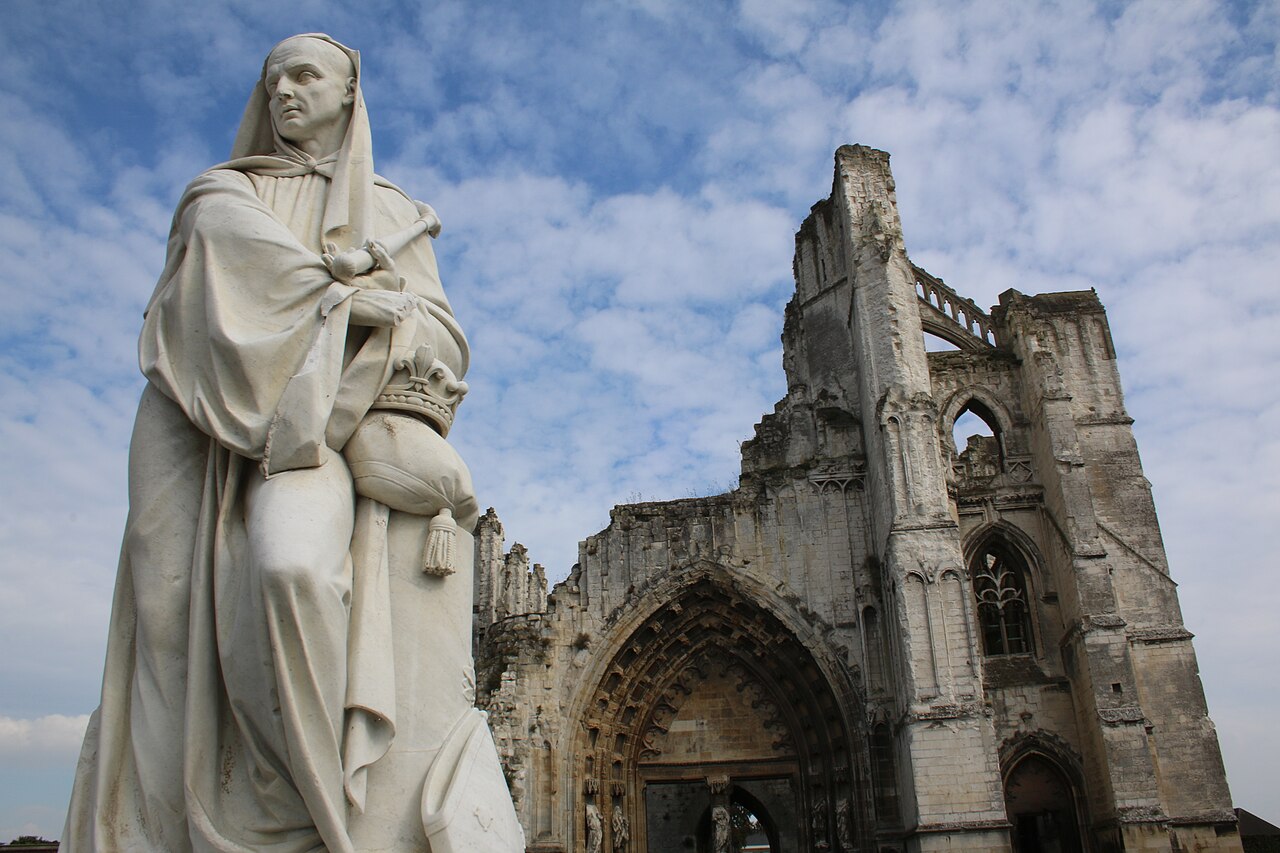
Abbot Suger was a leading cleric and royal counsellor in twelfth-century France. Born around 1081 and dying in 1151, he served as abbot of the royal abbey of Saint-Denis near Paris and acted as a key administrator for Kings Louis VI and Louis VII. His combination of political influence, scholarship and taste for lavish ecclesiastical art made him one of the most notable churchmen of his age.
Image gallery
10 Images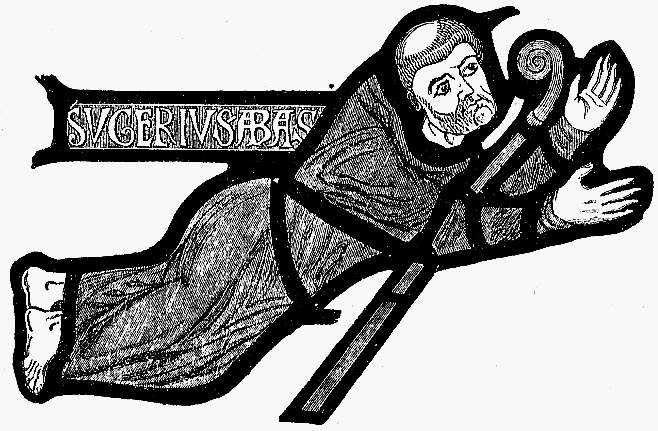






Role and career
Suger rose within the monastic and royal household to manage finances, diplomacy and ecclesiastical affairs. As abbot he supervised the abbey's lands and relics and advised the crown on military and political matters. Contemporary and later accounts portray him as both an efficient administrator and a powerfully persuasive courtier. For a concise modern overview see modern biography.
Architectural patronage and innovations
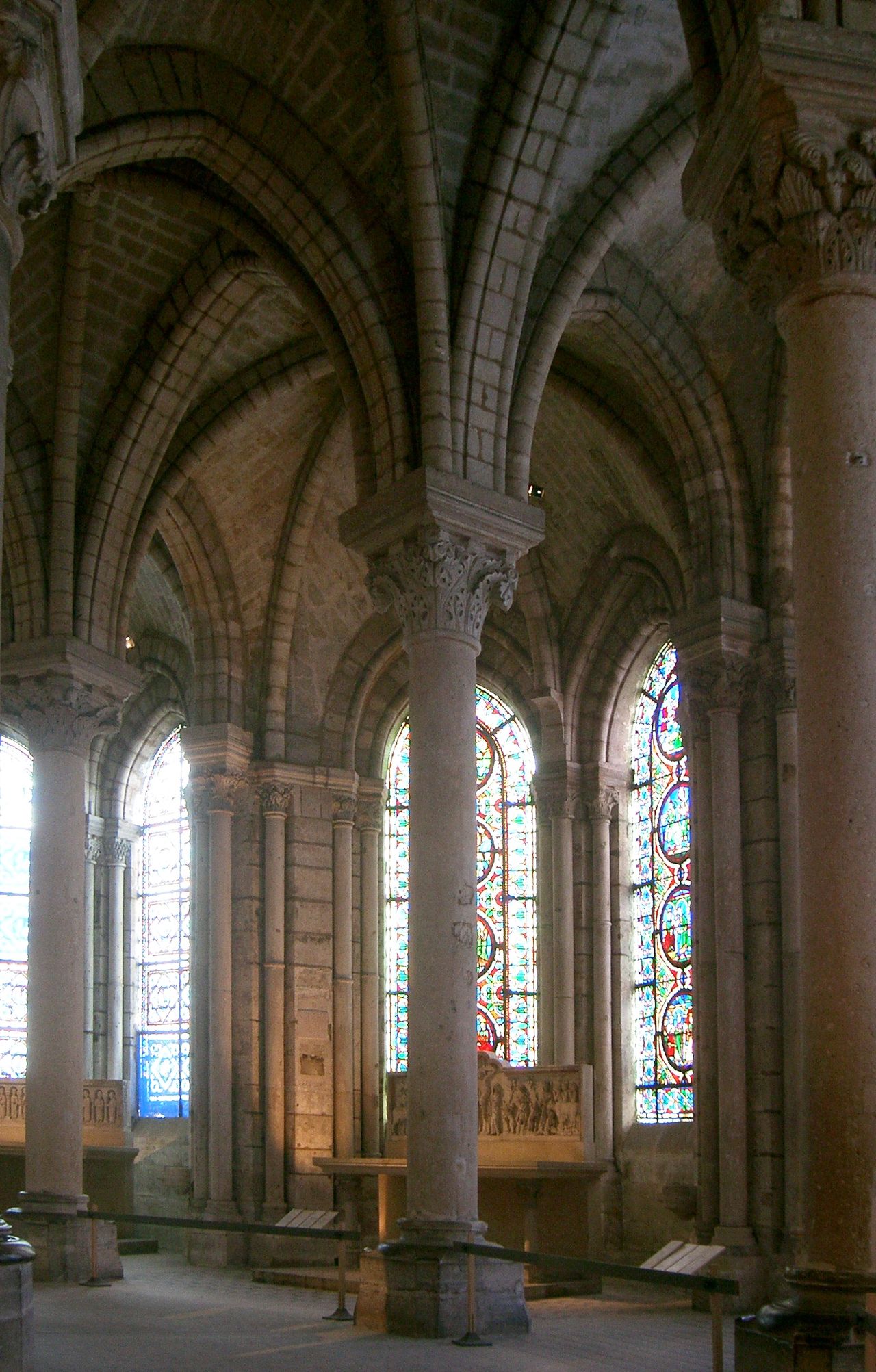
Suger is best remembered for commissioning a substantial rebuilding of the choir and eastern end of the Basilica of Saint-Denis. His program emphasized greater interior light and the use of structural features—such as pointed arches, rib vaults and large stained-glass windows—that became hallmarks of Gothic architecture. He articulated the theological importance of light, often called lux nova or “new light,” to express divine presence, and he sought to translate that idea into material form. More on the basilica and its art can be found at Saint-Denis resources.
Writings and intellectual influence
Suger wrote accounts of his administration and of royal deeds and of the consecration of the rebuilt church. These texts combine practical description with reflection on kingship, sacred space and aesthetics. His works have been used by historians to understand governance, monastic patronage and the ideals behind early Gothic design. Selected writings and translations are often cited in studies; a useful reference collection is indicated at primary texts.
Legacy and notable facts
- Suger’s program at Saint-Denis set a precedent for cathedral building across Europe and helped popularize Gothic forms.
- He collected reliquaries, art and liturgical objects, both to enrich worship and to demonstrate the abbey’s prestige.
- Scholars debate aspects of his role—some emphasize his spiritual and artistic motives, others his political ambition—but few dispute his central place in medieval culture.
For broader context about Gothic architecture and its spread after Suger, consult a general survey at Gothic architecture overview. His life illustrates how monastic leadership, royal power and artistic innovation combined to reshape medieval religious architecture.
Related articles
Author
AlegsaOnline.com Abbot Suger (c. 1081–1151): Abbot, Statesman, and Patron of Gothic Architecture Leandro Alegsa
URL: https://en.alegsaonline.com/art/318