
Abd Manaf ibn Qusai
Pre-Islamic Quraysh leader, son of Qusai ibn Kilab. Progenitor of the Banu Abd Manaf branch and ancestor of Banu Hashim and other important Meccan clans; remembered for leadership, generosity, and clan influence.
Overview
Abd Manaf ibn Qusai was a prominent figure of the pre‑Islamic Quraysh tribe of Mecca and the namesake of the Banu Abd Manaf clan. He is traditionally described in Arab genealogical and historical sources as a son of Qusai ibn Kilab, the Quraysh leader who organized Meccan civic and religious life. Abd Manaf’s life belongs to the generation before the advent of Islam and is known mainly through later family histories and oral accounts recorded by medieval Arab historians.
Image gallery
1 Image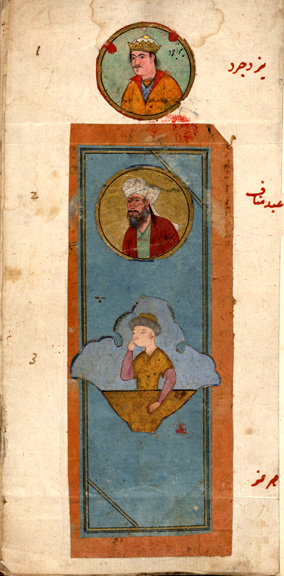
Family and descendants
Abd Manaf is important chiefly as a patriarch. Traditional genealogies list several sons whose lines became influential Meccan clans. Among his better known sons were:
- Hashim — founder of the Banu Hashim; this branch later produced influential figures in Mecca and is the ancestral line of the Prophet Muhammad in Islamic tradition.
- Abd Shams — ancestor of lineages that included the Umayyad family in later history.
- Nawfal — founder of another notable sub‑division within Quraysh.
- Muttalib — recorded as younger than Hashim and noted in sources as his successor in clan leadership.
Role and historical context
Abd Manaf lived in an era when Mecca was consolidating as a religious and commercial center. His father Qusai is credited with bringing order to the custodianship of the Kaaba and organizing pilgrimage-related responsibilities. Traditional accounts describe Abd Manaf as inheriting much of his father’s authority and responsibilities after Qusai’s death, and portray him as a man of influence, widely respected for judgment and generosity. Over time the descendants of Abd Manaf competed and cooperated with other Quraysh branches for control of civic offices and trade routes.
Legacy and significance
The chief significance of Abd Manaf lies in his role as an ancestor: the clans that trace to him—especially Banu Hashim and the lines from Abd Shams—played central roles in Meccan politics and in early Islamic history. The rivalry and alliances among these branches shaped social and political developments in Mecca before and after the rise of Islam. Thus Abd Manaf’s name continued to mark claims to leadership, prestige, and lineage among Arabs of later periods.
Notable facts and distinctions
- He is remembered in traditional sources for qualities such as generosity and sound judgment, traits valued in tribal leadership.
- The Banu Abd Manaf branch is distinct from other Quraysh lines that descended from Qusai, and competition among these branches had long‑term consequences.
- Most information about Abd Manaf comes from genealogical tradition and medieval historians; precise dates and many personal details are not preserved in contemporaneous records.
Because primary documentation from the period is limited, modern accounts rely on later compilations of oral tradition and lineage records to reconstruct Abd Manaf’s place in Quraysh history. His memory persists primarily through the prominence of his descendants and their impact on Arabian society in the centuries that followed.
Tags
Related articles
Author
AlegsaOnline.com Abd Manaf ibn Qusai Leandro Alegsa
URL: https://en.alegsaonline.com/art/342