
Enrique Gaspar y Rimbau
Spanish playwright and diplomat (1842–1902) known for popular theatre, zarzuela librettos and the early time-travel novel El anacronópete, a notable example of 19th-century speculative fiction and social satire.
Overview
Enrique Lucio Eugenio Gaspar y Rimbau was a Spanish dramatist and public servant born in Madrid on March 2, 1842 and who died in Olorón on September 7, 1902. He combined an official career as a diplomat with active work as a writer, producing plays, zarzuela librettos and novels for a broad audience.
Image gallery
3 Images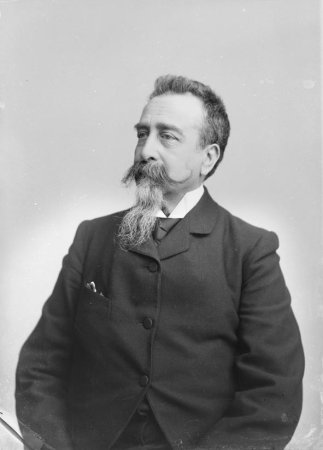

Life and career
Gaspar worked in public service while maintaining strong ties to the theatrical world. His stage pieces were written for popular performance and often mixed comedy, social commentary and musical elements. As a librettist and dramatist he contributed to the lively Spanish theatre scene of the late 19th century, where short comedies, farces and zarzuelas reached wide audiences.
El anacronópete and speculative fiction
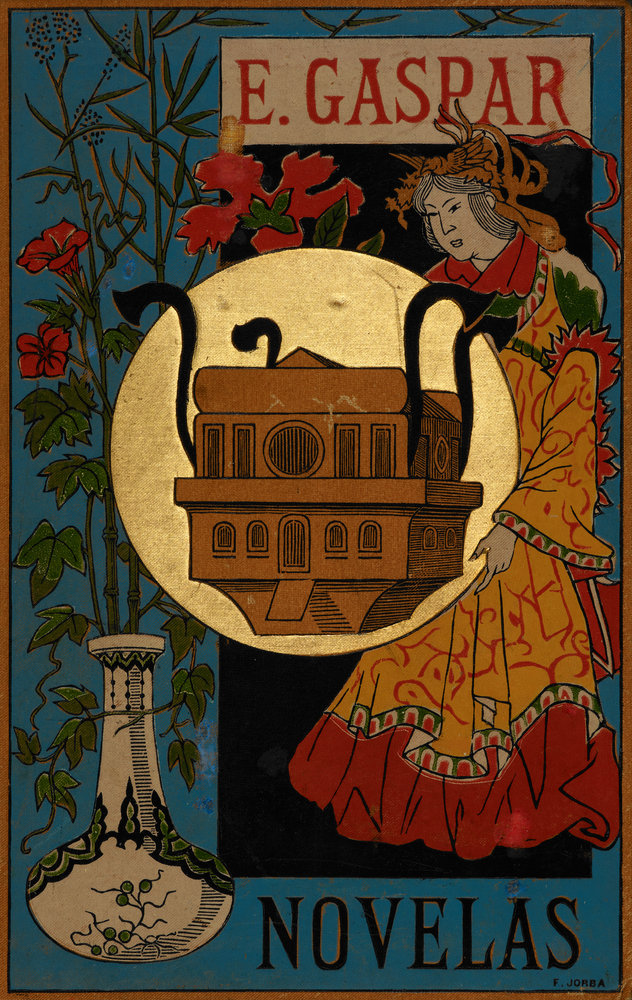
His best-known book, El anacronópete, published in the late 19th century, describes a machine designed to travel through time and frames the voyage with satire and theatrical imagination. The novel is frequently cited in histories of early science fiction for treating time travel as a mechanical invention and for its playful, socially observant tone.
Theatrical work and themes
Many of Gaspar’s stage pieces emphasize brisk plotting, stock comic types and topical references that suited contemporary theatres. His zarzuela librettos demanded collaboration with composers and performers and contributed to the popular musical-dramatic repertoire of his day.
Legacy
Scholars study Gaspar to understand the crossover between popular theatre and emerging genre fiction in Spain. While his plays reflect the tastes and conventions of their era, El anacronópete endures as an example of inventive, early speculative writing that combines technological curiosity with satire.
Selected works
- El anacronópete — time-travel novel blending invention and satire
- Numerous comedies and farces for the Spanish stage
- Zarzuelas and librettos intended for popular performance
For further information consult specialist studies of late 19th-century Spanish theatre and the early history of speculative fiction; bibliographies and theatrical histories provide more detailed listings and context.
Related articles
Author
AlegsaOnline.com Enrique Gaspar y Rimbau Leandro Alegsa
URL: https://en.alegsaonline.com/art/31560