
Emil Doepler (1855–1922): German illustrator, painter and designer
Emil Doepler was a German illustrator, painter and teacher whose decorative work helped shape early Art Nouveau aesthetics; he is also credited with a version of the Weimar Republic coat of arms.
Emil Doepler (29 October 1855 – 21 December 1922) was a German illustrator, painter and teacher. Born into an artistic family, he produced drawings, designs and paintings that are today associated with the turn-of-the-century decorative revival commonly called Art Nouveau. He is best known in public heraldry for devising a version of the federal eagle used as the coat of arms of the Weimar Republic; his career combined studio work with instruction and public commissions.
Image gallery
4 Images


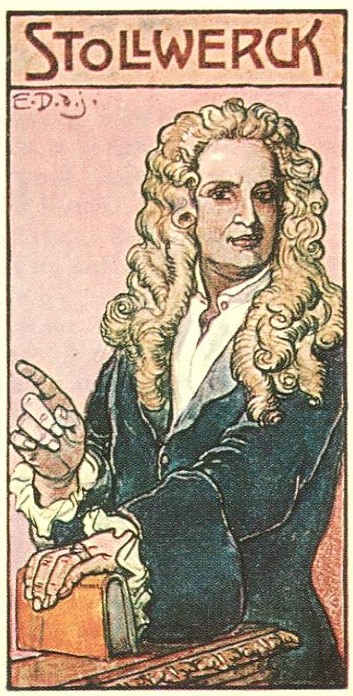
Career and roles
Doepler worked across several media. He earned recognition as an illustrator and as a painter whose compositions favored clear outlines and ornamented surfaces. He also served as an art teacher and mentor, transmitting stylistic approaches to a younger generation of artists and students; his activities as a teacher helped spread decorative idioms beyond private studios into applied arts and graphic design. Contemporary accounts and surviving works show a blend of figurative detail with decorative patterning.
Style and characteristics
Although often grouped with the broader Art Nouveau movement, Doepler's output reflects a mix of historic and modern tendencies. Typical features attributed to his work include:
- Stylized organic forms and flowing line work that emphasize rhythm and silhouette
- Use of flat planes of color and ornamental bordering that suit print and poster formats
- A balance between figurative representation and decorative abstraction
- An interest in heraldic and symbolic motifs when working on public commissions
These qualities connect his work to the German variant of Art Nouveau, often referred to as Jugendstil, without reducing him to a single label.
Major works and legacy
Among Doepler's most durable public contributions is his design for the republican coat of arms; this heraldic eagle was adopted in the period following the German Empire and is commonly cited as the version associated with the coat of arms of the Weimar Republic. Beyond that emblematic piece, his book illustrations, decorative panels and applied designs influenced graphic practice in Germany around 1900. Today art historians and curators regard Doepler as one of several artists whose teaching and commercial work helped shape the visual language of early modern graphic art.
Doepler's reputation rests on both public commissions and quieter contributions to visual education. He remains a useful example of how late 19th-century artists combined fine art, illustration and design to reach new audiences and to help define a modern decorative aesthetic.
Related articles
Author
AlegsaOnline.com Emil Doepler (1855–1922): German illustrator, painter and designer Leandro Alegsa
URL: https://en.alegsaonline.com/art/31140