
Emergency Medical Dispatcher — Role, Responsibilities, and Importance
A professional who receives medical emergency calls, triages urgency, dispatches ambulance resources, and provides pre‑arrival instruction. Covers duties, skills, history and distinctions.
Overview
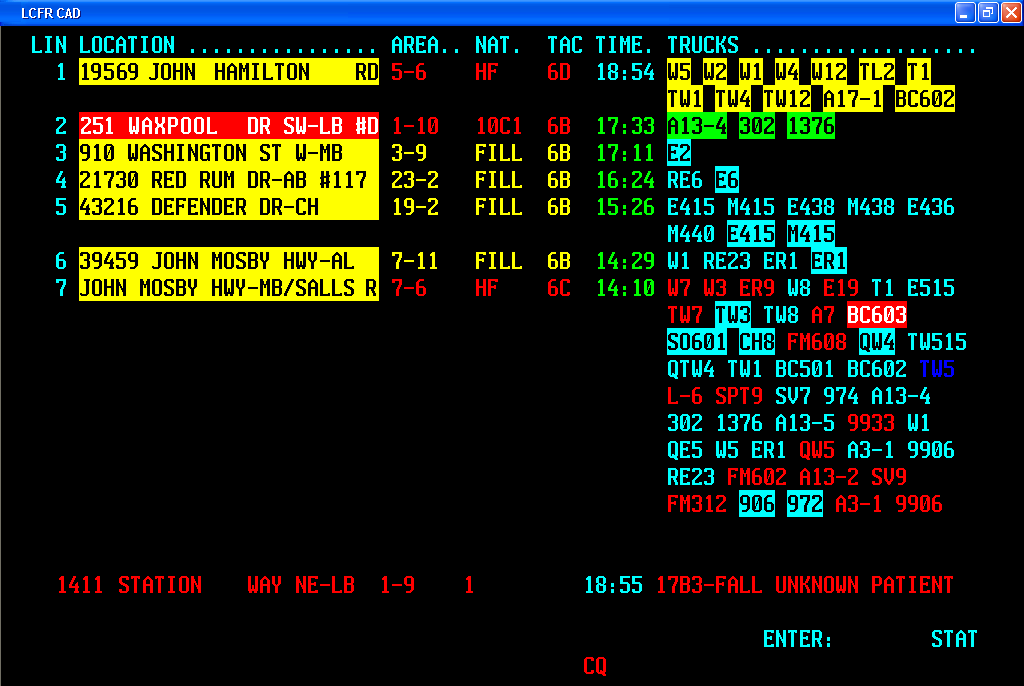
An emergency medical dispatcher (EMD) is a trained professional who answers urgent telephone calls requesting aid and coordinates the response of prehospital medical resources. Working at a dispatch centre, sometimes part of a national or regional emergency medical services system, an EMD assesses the caller’s report, establishes the priority of the incident, selects and directs the appropriate response units such as ambulances, and remains on the line to give life‑saving instructions when needed.
Image gallery
4 Images


Role and primary duties
The core functions of an EMD combine clinical triage with logistics and communication. They must gather essential facts quickly, decide whether an ambulance or other response is required, and choose which crews to send based on location, availability and the nature of the problem. When waiting times are unavoidable, dispatchers provide pre‑arrival guidance — for example, basic CPR steps, choking relief, or bleeding control — to help bystanders until clinicians arrive.
- Call intake and rapid assessment (triage)
- Resource selection and deployment
- Pre‑arrival medical instruction and emotional support
- Accurate record‑keeping and incident logging
- Coordination with police, fire, and hospital services
Skills, protocols and training
EMDs rely on standardised protocols and decision aids to promote consistent, safe decisions. Training typically includes medical knowledge, communication techniques, crisis management, and the use of scripted triage algorithms. Ongoing quality assurance, simulation practice, and continuing education are common because technology, best practices and legal expectations evolve.
History and development
The role of the medical dispatcher developed alongside modern emergency telephone systems and organised prehospital care in the mid‑20th century. As ambulance services professionalised and telephone access to emergency care expanded, structured dispatch procedures and prioritisation systems were introduced to improve response consistency and patient outcomes. Over time, dispatch centres incorporated computer‑aided dispatch, GPS locating, and integrated data systems to better match resources with need.
Importance, examples, and impact
Effective dispatch is critical to patient survival in time‑sensitive situations such as cardiac arrest, severe trauma, stroke or respiratory arrest. Dispatchers can increase survival chances by identifying cardiac arrest early and providing CPR coaching, instructing on defibrillator use, or sending advanced care rapidly. Their records also support public health surveillance, resource planning and post‑incident review.
Distinctions and challenges
An EMD is distinct from on‑scene clinicians: they do not provide hands‑on care but instead manage information and resources remotely. The job is mentally demanding due to high call volumes, unpredictable incidents and emotional intensity. Legal responsibilities and the scope of practice vary by jurisdiction, and many programmes emphasise mental health support and resilience training for dispatch personnel.
In summary, emergency medical dispatchers are a vital link between the public and the emergency care system: they prioritise cases, mobilise responders, and offer potentially life‑saving instructions while bridging the interval before medical crews arrive.
Related articles
Author
AlegsaOnline.com Emergency Medical Dispatcher — Role, Responsibilities, and Importance Leandro Alegsa
URL: https://en.alegsaonline.com/art/31113