
Embraer ERJ family regional jets
A family of small twin‑engine regional jets by Embraer, including the ERJ135, ERJ140 and ERJ145, designed for short to medium regional routes and used in airline, corporate and military roles.
Overview
The Embraer ERJ family is a group of twin‑engine regional jet aircraft built by Embraer. It comprises three main production models: the ERJ135, ERJ140 and ERJ145. These aircraft were introduced to serve short‑to‑medium range commuter and regional airline markets, offering a pressurized cabin with a four‑abreast seating layout and typical capacities ranging from about 37 to 50 passengers depending on the variant and interior configuration.
Image gallery
10 Images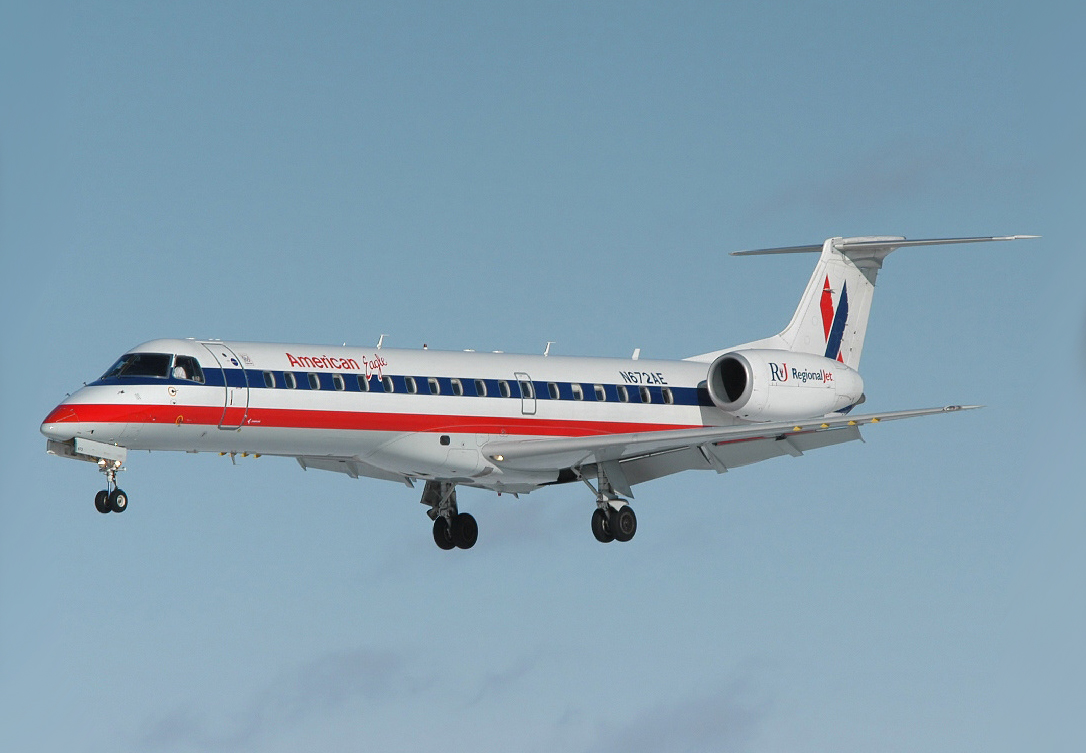



Design and characteristics
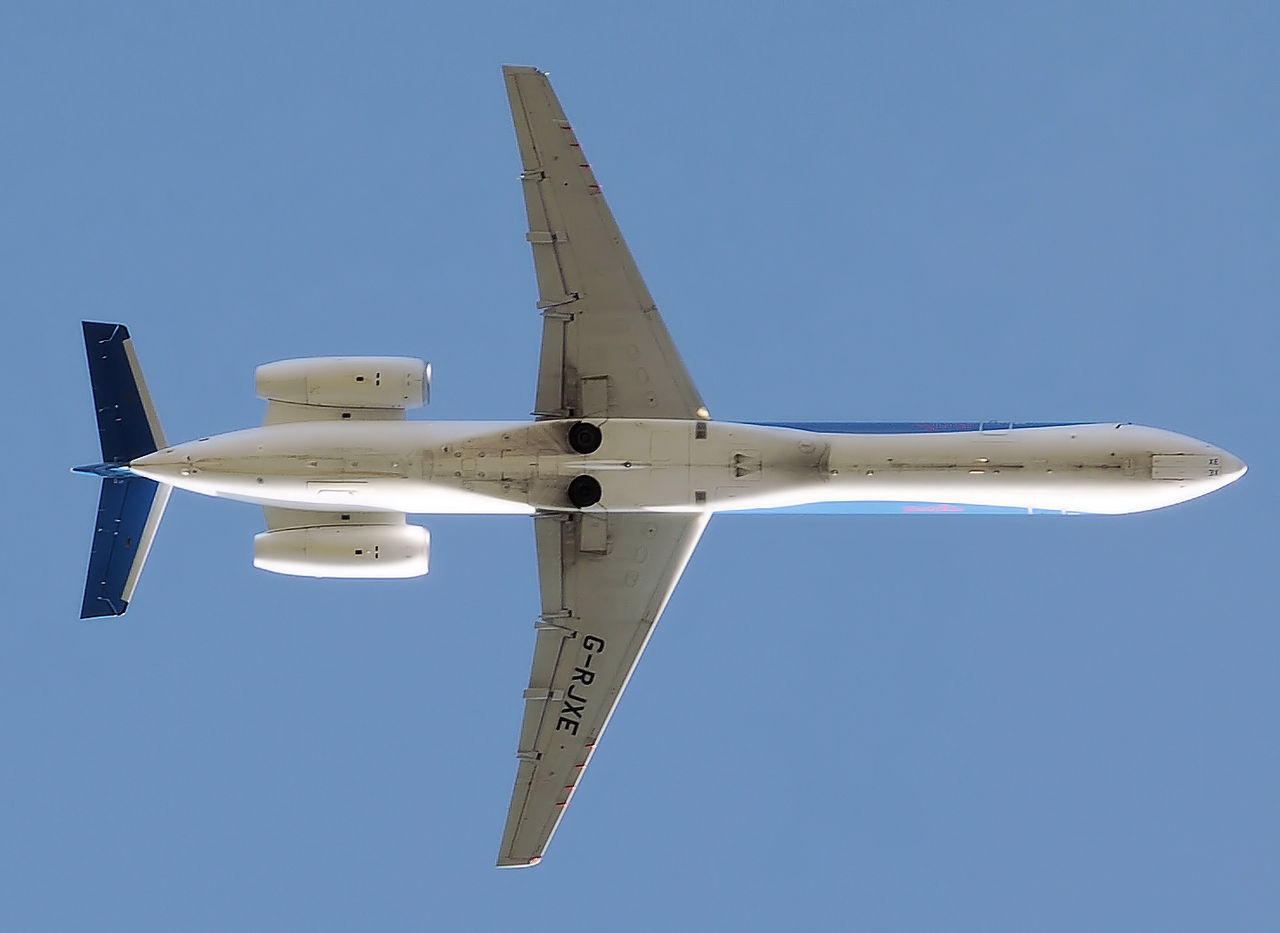
ERJ airliners share a common basic design: low wings, rear‑mounted turbofan engines and a T‑tail. The family uses a small, narrow fuselage with a single aisle and 2+2 seating, which simplifies boarding and reduces weight compared with larger airliners. Engines used on the family are turbofans designed for efficiency on short hops, and performance is optimized for frequent takeoffs and landings on regional routes. Cockpit and systems commonality across the line simplifies pilot training and airline operations.
Development and history
The ERJ series was developed as Embraer expanded from commuter aircraft into the regional jet market. Concept and development work took place in the late 1980s and early 1990s, and the family entered commercial service in the mid‑1990s. The ERJ helped popularize regional jets by offering jet performance on routes previously served by turboprops, and it competed with other small regional types in global markets.
Variants and roles
Three main production models represent length and capacity changes within the family:
- ERJ135 — the shortest version, typically configured for about 37 seats.
- ERJ140 — a mid‑size variant with roughly 44 seats in typical layouts.
- ERJ145 — the stretched member of the family, commonly seating near 50 passengers.
Beyond passenger versions, the ERJ platform has been adapted for corporate transport, freighter conversions and a variety of governmental and military missions such as surveillance, communications and crew training.
Operational use and legacy
Airlines worldwide adopted ERJ aircraft for regional networks because of their efficiency on short sectors and flexible capacity. Over time, many operators have replaced older ERJs with newer generation regional jets from Embraer and other manufacturers that offer greater capacity or updated systems. Nevertheless, the ERJ family remains notable for its role in establishing the market for small regional jets and for providing a versatile airframe platform that served civil, corporate and military customers.
Related articles
Author
AlegsaOnline.com Embraer ERJ family regional jets Leandro Alegsa
URL: https://en.alegsaonline.com/art/31089