
Eleanor of Provence (c. 1223–1291)
Queen consort of England as the wife of Henry III, influential in 13th‑century court politics, mother of Edward I, and a figure of cultural and dynastic importance in medieval Europe.
Overview
Eleanor of Provence (c. 1223 – 26 June 1291) was queen consort of England as the wife of Henry III. Born into the ruling family of Provence, she became a central figure at the English court for more than three decades. Her marriage strengthened international alliances and produced children who continued the Plantagenet line.
Image gallery
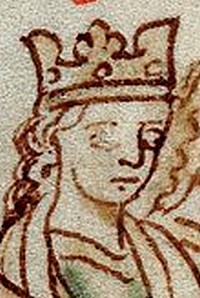
4 Images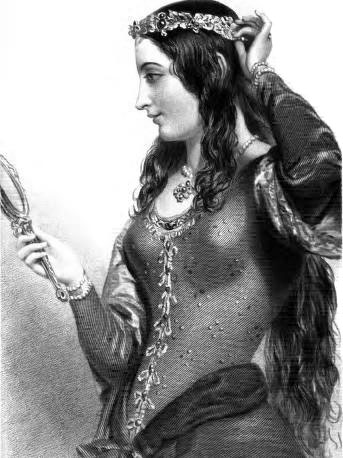


Early life and marriage
Eleanor was a daughter of the Provençal counts and grew up in a network of southern French and Savoyard relatives whose marriages connected many European courts. She married Henry III in 1236 and brought with her attendants and cultural influences from Provence. Her arrival shifted the composition of the royal household and introduced new fashions and personnel into England’s court life.
Role as queen and political influence
As queen consort, Eleanor took part in ceremonial, dynastic and household affairs. She was often involved behind the scenes in patronage and appointments, and her preference for relatives and foreign supporters provoked criticism from some English barons. These tensions were among the broader grievances that contributed to baronial unrest in the middle of the 13th century.
Children and dynastic importance
Eleanor was the mother of several royal children, most notably Edward I, who succeeded Henry III, and Edmund (known to history for his prominent earldom). Her daughters were also married into other ruling families, strengthening political connections across Britain and continental Europe. Notable children included:
- Edward (future king of England)
- Margaret (married into the Scottish royal family)
- Edmund (a prominent noble)
Later years, death and legacy
After Henry’s death in 1272 Eleanor lived into the reign of her son and spent her later years away from the central thrust of government. She died in 1291. Historians remember her for the cultural influence she brought to England, her role as a dynastic mother, and the controversy that surrounded the presence of her foreign relatives at court. For further context on Henry’s reign and the royal household of the period, see the contemporary accounts and studies of Henry III’s government (royal court).
Related articles
Author
AlegsaOnline.com Eleanor of Provence (c. 1223–1291) Leandro Alegsa
URL: https://en.alegsaonline.com/art/30649