
Alternative metal: origins, characteristics and notable bands
A survey of alternative metal, a hybrid heavy-music style blending metal with alternative rock, funk, industrial and experimental elements; its sound, history, key bands and legacy.
Overview
Alternative metal is a broad rock subgenre that blends elements of traditional heavy metal with the attitudes and textures of alternative rock and other non-metal styles. Rather than following one blueprint, it encompasses a range of approaches that emphasize experimentation: varied rhythms, unusual tonal colors and an openness to influences outside the metal mainstream. The term covers bands that kept heavy guitar-driven music but applied nontraditional song structures, production or vocal approaches.
Image gallery
5 Images


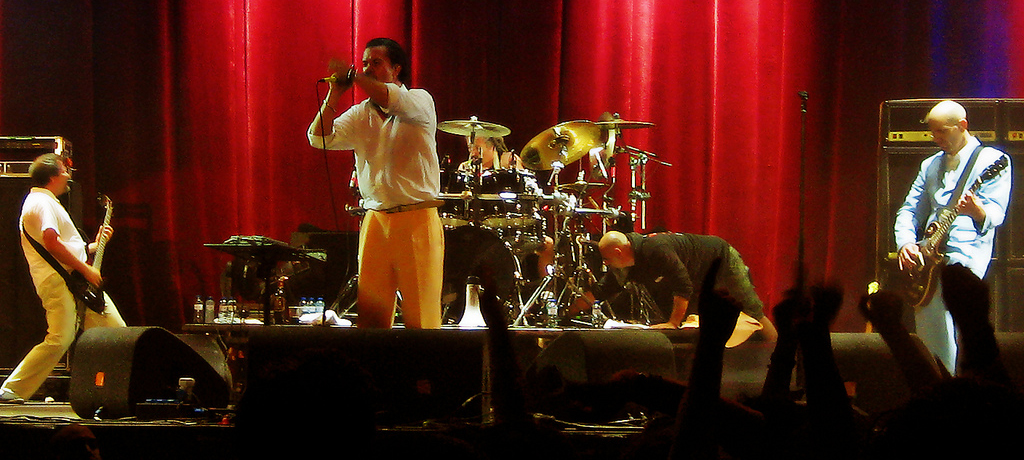

Key characteristics
- Prominent, often downtuned or dense guitar riffs paired with dynamic contrasts between loud and quiet passages.
- Rhythmic diversity, including prominent use of syncopation and uncommon time signatures, which give many songs an off-kilter or progressive feel.
- Vocal variety: melodic singing, shouted or rapped sections, and experimental timbres rather than a single vocal aesthetic.
- Incorporation of nontraditional elements for metal—funk basslines, industrial electronics, samples, and atmospheric textures.
- Production choices that emphasize texture and studio techniques as part of the sound, not just live power.
History and development
The style emerged as bands in the late 1980s and early 1990s rejected strict genre boundaries, drawing on punk, alternative rock, funk, industrial and progressive rock alongside metal’s intensity. It rose to broader attention in the 1990s when several acts reached substantial radio play and record sales, showing that heavy music could cross into mainstream alternative formats without simply copying earlier metal traditions.
Notable bands and examples
- Jane's Addiction — early crossover of art-rock and heavy grooves.
- Faith No More — eclectic influences and genre-jumping arrangements.
- Helmet — tight, riff-driven approach with a post-hardcore edge.
- Alice in Chains — metal weight combined with alternative and grunge textures.
- Nine Inch Nails — industrial and electronic elements applied to heavy songwriting.
- Tool — long-form compositions and progressive rhythmic focus.
- Rage Against the Machine — funk and hip-hop rhythms married to aggressive guitar and political lyrics.
- System of a Down — unconventional song forms and sharp stylistic contrasts.
Distinctions and legacy
Alternative metal is distinguished from classic metal by its willingness to borrow from nonmetal genres and its experimental mindset. It overlaps with or influenced substyles such as nu metal, industrial metal and progressive metal, but not all bands in those scenes are classified the same way. The genre’s importance lies in expanding the palette of heavy music—encouraging artists to mix textures, rhythms and production methods—and in helping metal-language music remain commercially visible and artistically flexible into the 21st century.
Related articles
Author
AlegsaOnline.com Alternative metal: origins, characteristics and notable bands Leandro Alegsa
URL: https://en.alegsaonline.com/art/3060