
Eduardo Paolozzi: Scottish sculptor and pioneer of modern collage
Overview of Sir Eduardo Paolozzi (1924–2005), his art practices, major themes, public works and influence on 20th‑century sculpture and Pop Art.
Sir Eduardo Luigi Paolozzi (7 March 1924 – 22 April 2005) was a major figure in postwar British art. Born in Edinburgh to Italian immigrant parents and later based in London, he worked across sculpture, printmaking and collage. Paolozzi combined found imagery and mechanical motifs to make work that bridged avant‑garde experiment and popular culture.
Image gallery
10 Images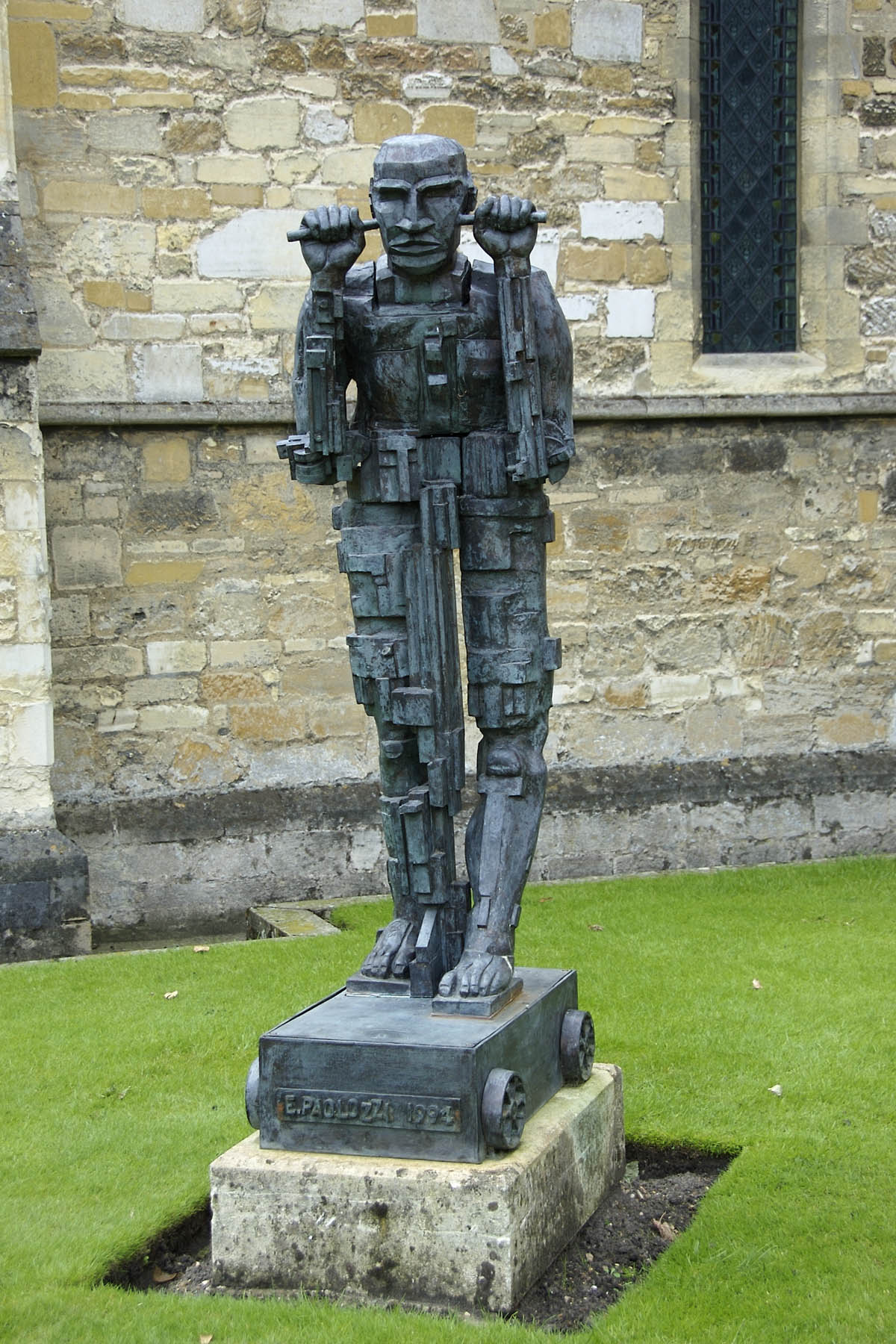




Style and media
Paolozzi was both a sculptor and a artist who used a wide range of materials: bronze and stone for public sculpture, ceramic and glass for mosaics, and paper and photographic fragments for collages and screenprints. A recurring feature of his output is the juxtaposition of human figures with machine parts, advertising images and scientific diagrams, producing a visual language that commented on technology, mass media and modern life.
Development and influence
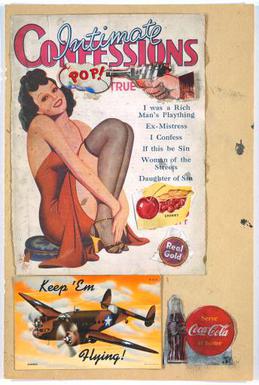
Active from the 1940s onward, Paolozzi made early collages that anticipated themes later associated with Pop Art. His 1947 collage that incorporated the word "POP" is often cited in histories of the movement. He studied and worked in Britain and continental Europe, absorbed Surrealist strategies of unexpected combination, and translated those experiments into large‑scale public works and editions of prints.
Public works and legacy
Paolozzi created numerous public commissions, notably decorative mosaics and large bronzes installed in urban settings, which made his imagery widely visible beyond gallery audiences. His work had a lasting impact on younger sculptors and on how artists used everyday imagery in fine art. He received official recognition during his lifetime and remains represented in major collections and public spaces across the UK and internationally. He is widely regarded as one of the most important British artists of the second half of the 20th century; his Scottish roots are an often‑noted part of his biography (Scottish).
Notable themes and examples
- Collage and montage: early cut‑up works that combine magazines, adverts and scientific illustration.
- Machine imagery: repeated motifs of gears, circuitry and mechanical parts alongside the human form.
- Public art: mosaics in transport and civic settings and durable outdoor bronzes.
- Education and influence: his practice informed print and sculpture workshops and influenced the look of British postwar art.
For further reading and images consult museum catalogues and major collections that hold Paolozzi's papers and works. Additional institutional resources and exhibition histories are available through online catalogues and specialist publications (biography, birthplace, place of death, national context, sculptural practice, artistic range).
Questions and answers
Q: Who was Eduardo Paolozzi?
A: Eduardo Paolozzi was a Scottish sculptor and artist.
Q: When and where was Eduardo Paolozzi born?
A: Eduardo Paolozzi was born in Edinburgh on March 7, 1924.
Q: Who were Eduardo Paolozzi's parents?
A: Eduardo Paolozzi's parents were Italian immigrants.
Q: What was Eduardo Paolozzi's nationality?
A: Eduardo Paolozzi was Scottish.
Q: When and where did Eduardo Paolozzi die?
A: Eduardo Paolozzi died in London on April 22, 2005.
Q: What was Eduardo Paolozzi's greatest contribution to art?
A: Eduardo Paolozzi made significant contributions to the development of British pop art, and is considered one of the pioneers of the movement.
Q: Was Eduardo Paolozzi honored for his contributions to art?
A: Yes, Eduardo Paolozzi was knighted in 1989 and was awarded the Order of Merit in 2001 for his services to art.
Related articles
Author
AlegsaOnline.com Eduardo Paolozzi: Scottish sculptor and pioneer of modern collage Leandro Alegsa
URL: https://en.alegsaonline.com/art/30235
Sources
- commons.wikimedia.org : Eduardo Paolozzi