
Alphonse Mucha: Czech Art Nouveau Painter and Designer
Alphonse Mucha (1860–1939), Czech painter and decorative artist, famed for his stylized posters, illustrations and designs that became emblematic of the Art Nouveau movement.
Overview
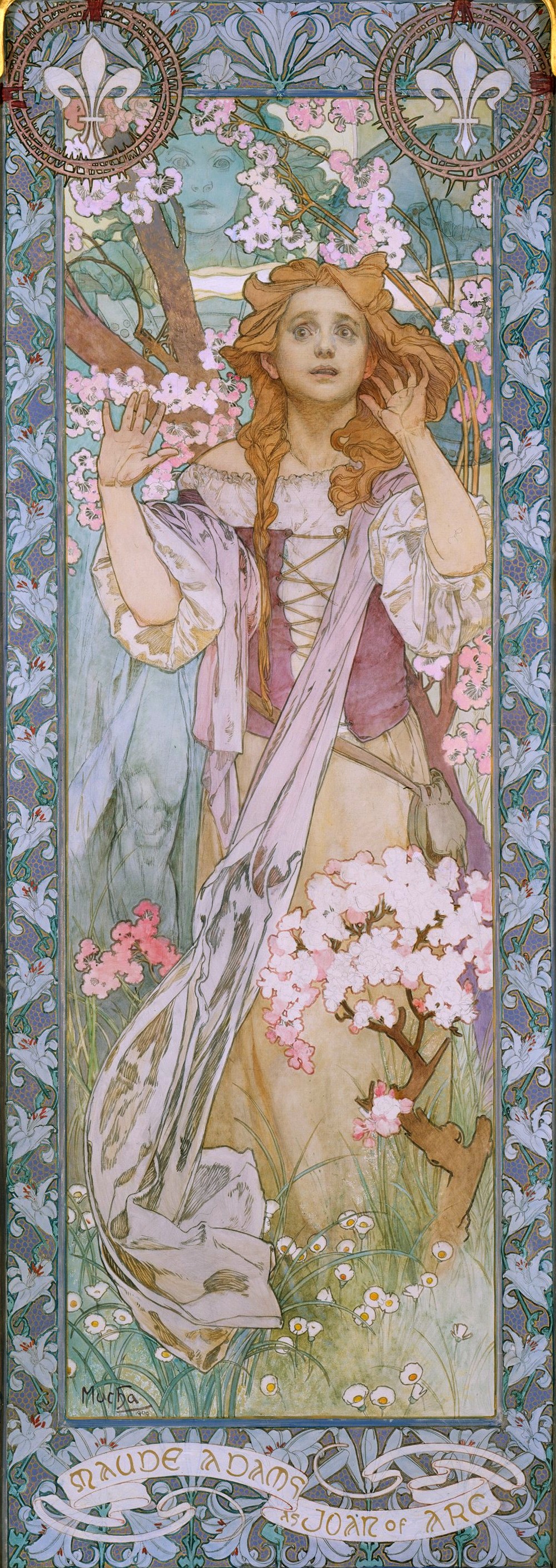
Alphonse Mucha (24 July 1860 – 14 July 1939) was a Czech painter, illustrator and decorative artist whose visual language became closely associated with the international Art Nouveau movement. He worked across media—posters, prints, paintings, book illustrations and applied arts—and is best known for his lithographed posters depicting idealized women framed by ornate, floral patterns and sinuous lines.
Image gallery
10 Images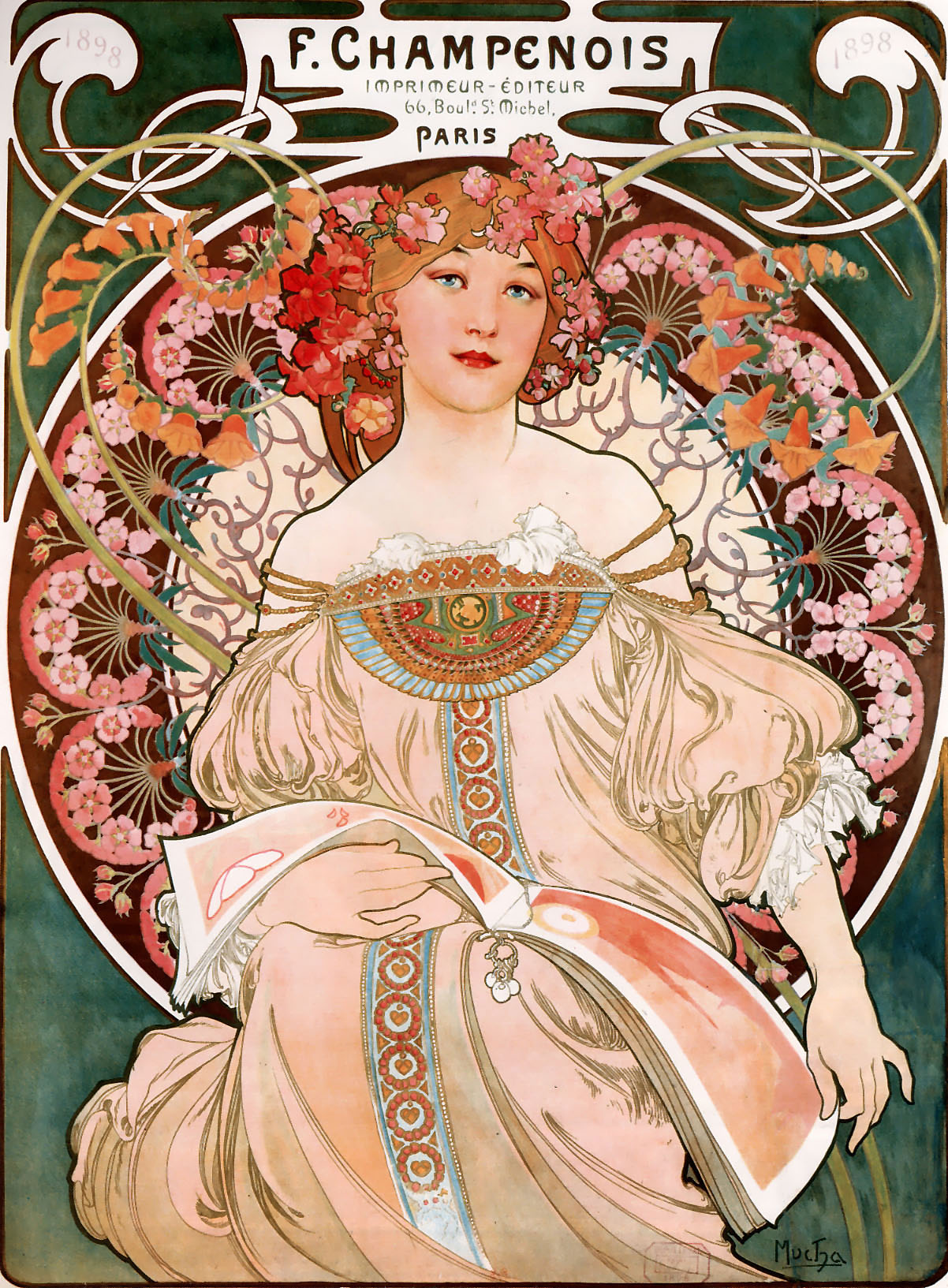


Style and characteristics
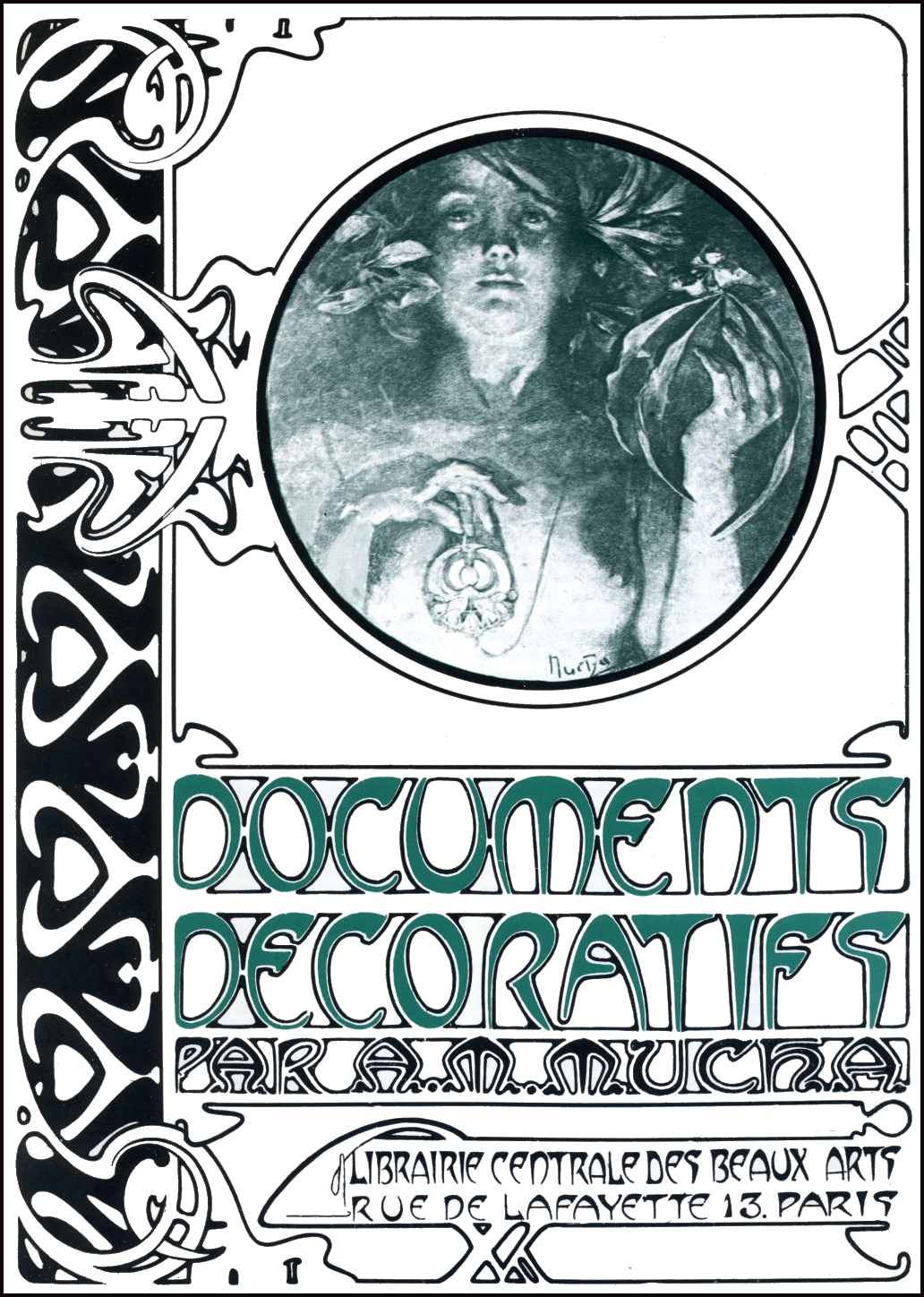
Mucha developed a recognizable vocabulary of form: elongated female figures in flowing drapery, halos or circular frames behind heads, dense botanical ornament, and graceful linear rhythms. His color choices tended toward soft pastels and subtle tonal harmonies rather than the harsher primaries used by many contemporary commercial designers. Mucha often combined fine-art concerns with the reproducibility of lithography, making richly decorative images that remained legible at advertising scale.
Breakthrough in Paris and early career
Born in Moravia in what was then the Austro-Hungarian Empire, Mucha moved to Paris in the late 1880s to study and make a living as an illustrator. His public breakthrough came in the mid-1890s when a poster he produced for the actress Sarah Bernhardt drew immediate attention. That poster led to further commissions and a long association with theatre graphics, which in turn helped him build an international clientele and a reputation as a leading image-maker of his era.
Works and applications
Mucha's output ranged from single-sheet posters and magazine plates to designs for jewelry, textiles and theatrical sets. He believed decorative design could elevate everyday objects and worked in collaboration with artisans and manufacturers to apply his motifs to carpets, wallpapers, metalwork and glass. He also executed large painted cycles intended as high art and national statements.
- Posters and lithographs for theatre and commerce
- Book illustrations and calendar plates
- Jewellery, fabrics, wallpaper and carpets
- Stage and set decoration, and monumental painted cycles
Legacy, ambitions and later work
While Mucha's name became almost synonymous with the ornamental vocabulary of Art Nouveau, he resisted being reduced to a commercial stylist. He sought to express spiritual and national themes in more ambitious works; most notably he devoted years to a monumental series depicting Slavic history and legend. His influence extended into graphic design, advertising and the decorative arts, and his visual idiom was widely imitated and adapted internationally.
Notable distinctions and context
Mucha is frequently discussed in relation to Art Nouveau, but he insisted that his inspiration drew on native Czech traditions and inner conviction rather than any fashion. The 1900 Paris Exposition helped circulate his imagery beyond France and increased demand for the style associated with his name. Despite commercial success, he remained concerned with art's moral and cultural mission and pursued projects that aimed to celebrate national identity and historical narrative.
Further reading and resources
- Biographical overview and timeline
- Art Nouveau context and movement summary
- Selected paintings and studies
- Decorative arts and design portfolio
- Illustrations and book plates
- Graphic design and poster work
- Mucha's Paris years and influences
- Magazine contributions and commercial prints
- Advertising practices and lithography
- Famous posters and theatre commissions
- Theatrical collaborations and stage design
- Sarah Bernhardt and the Gismonda poster
- Lithography techniques and printmaking
- Jewellery and applied design examples
- Textiles, carpets and surface pattern
- Wallpaper designs and interior work
- Theatre set and costume projects
- Neoclassical influences and historicism
- Drapery, costume and figure studies
- Floral motifs and botanical elements
- Iconography: halos, frames and composition
- Color palettes and pastel treatment
- Exposition Universelle 1900 and exhibitions
- Czech identity and national themes
- Commercial success versus artistic ambition
Questions and answers
Q: Who was Alphonse Mucha?
A: Alphonse Mucha was a Czech Art Nouveau painter and decorative artist, best known for his distinct style and images of women.
Q: Where did he move to in 1887?
A: In 1887, Mucha moved to Paris where he continued his studies and worked at producing magazine and advertising illustrations.
Q: What is the famous poster that made him an overnight sensation?
A: The famous poster that made him an overnight sensation was an advertisement for the play Gismonda by Victorien Sardou which appeared on the streets of Paris on 1 January 1895.
Q: What type of art is associated with Mucha's works?
A: Mucha's works are associated with Art Nouveau, a style characterized by flowing vaguely Neoclassical looking robes, often surrounded by lush flowers which sometimes formed halos behind the women's heads. He used pale pastel colours in contrast with contemporary poster makers.
Q: How did the 1900 Paris Exhibition contribute to spreading the "Mucha Style" abroad?
A: The 1900 Paris Exhibition spread the "Mucha Style" abroad through decorating the Bosnia and Herzegovina Pavilion as well as collaborating in the Austrian Pavilion.
Q: How did Alphonse Mucha feel about people imitating his Art Nouveau style?
A: Alphonse Mucha attempted to distance himself from people imitating his Art Nouveau style, insisting that his paintings came purely from within and from Czech art. He declared that art existed only to communicate a spiritual message, not for fame or commercial gain.
Q: What were some of Alfonsse Muchas lofty projects he wanted to concentrate on?
A: Alfonsse Muchas lofty projects he wanted to concentrate on included producing paintings, posters, advertisements, book illustrations, designs for jewellery, carpets, wallpaper and theatre sets - all aimed at ennobling art and his birthplace.
Related articles
Author
AlegsaOnline.com Alphonse Mucha: Czech Art Nouveau Painter and Designer Leandro Alegsa
URL: https://en.alegsaonline.com/art/2976
Sources
- oxfordartonline.com : "Mucha, Alphonse"
- books.google.com : Frommer's? Eastern Europe
- select.nytimes.com : "Mucha, noted artist, dropped first name; death due to shock caused by Germans' seizure Of Prague"
- records.viu.ca : An introduction to the work of Alphonse Mucha and Art Nouveau