
Father Christmas
Father Christmas is the traditional British personification of the Christmas season, historically distinct from Saint Nicholas and today largely synonymous with Santa Claus, with characteristic imagery and seasonal customs.
Father Christmas is the traditional English name for the seasonal, gift‑giving figure associated with Christmas. In contemporary usage the term is often treated as synonymous with Santa Claus, but historically the two figures have different roots and emphases. The name appears in song and popular culture as well; for example, the song "I Believe in Father Christmas" has been linked to the modern perception of the character (song reference).
Image gallery
10 Images


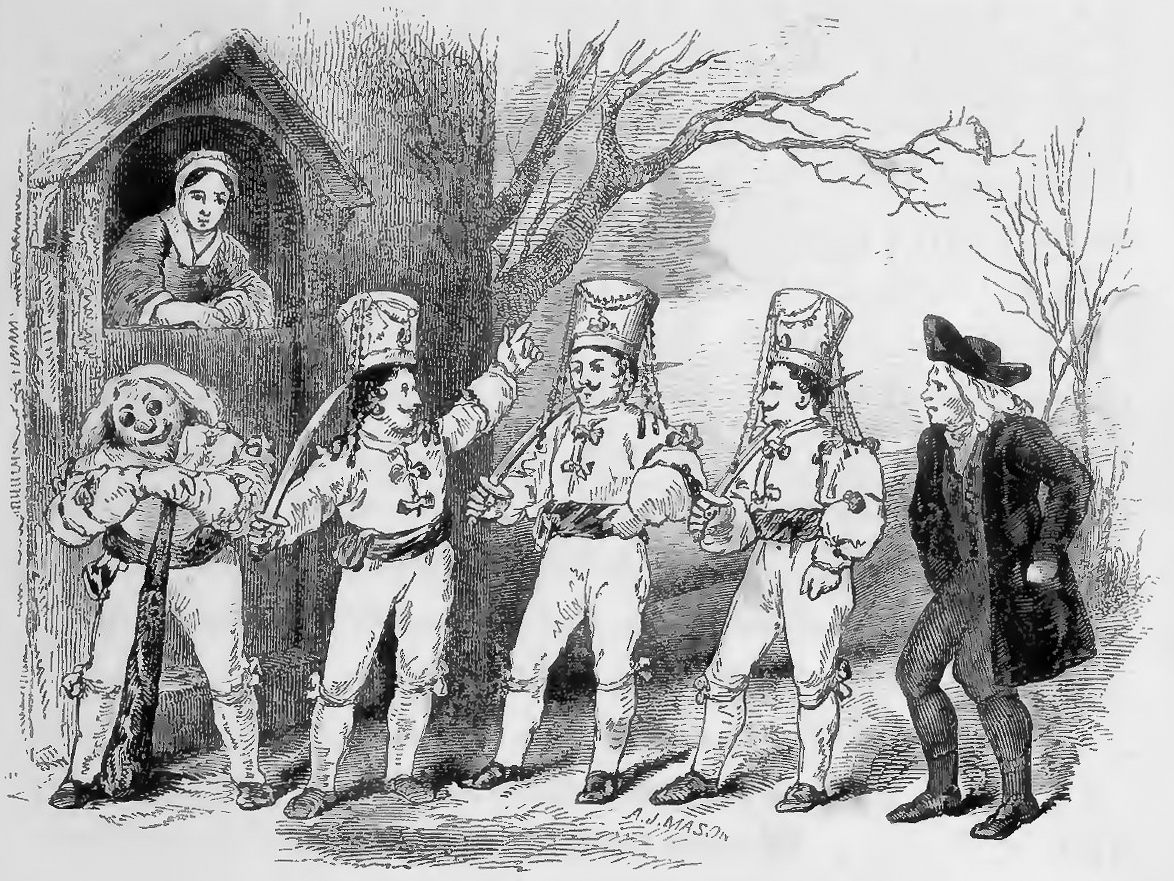
Origins and historical development
The idea of Father Christmas predates the modern commercial Santa. Early references in England personified Christmas itself as a jovial, adult figure who presided over feasting and good cheer rather than delivering toys. During the 17th and 18th centuries that persona was invoked in plays, pamphlets and carols. In the 19th century, under the influence of continental and American traditions associated with Saint Nicholas, the figure evolved into a child‑oriented gift‑bearer. Victorian imagery and later popular media helped standardize many features now familiar across Britain.
Appearance and characteristics
Representations of Father Christmas vary, but common elements include a bearded, elderly man who wears festive robes or a fur‑trimmed coat, often carries a sack of gifts, and is depicted as kindly and generous. Historically his clothing could be green, brown or red; modern depictions tend toward the red suit popularized in 19th–20th century illustrations.
Cultural role and customs
- Children in the UK commonly write letters to Father Christmas and may leave out treats on Christmas Eve.
- Father Christmas appears in pantomime, parades and charity events during the holiday season.
- Commercial advertising, cards and carols have reinforced a consistent public image while local traditions preserve regional variations.
Distinctions: While Father Christmas, Saint Nicholas and Santa Claus now overlap in popular imagination, scholars note differences in origin and emphasis: Saint Nicholas derives from a historical 4th‑century bishop celebrated for secret gift‑giving; Father Christmas began as the embodiment of the festive season in England. The English term remains in common use alongside other names and continues to appear in literature, music and seasonal customs, including the song linked above (British usage and name).
Related articles
Author
AlegsaOnline.com Father Christmas Leandro Alegsa
URL: https://en.alegsaonline.com/art/33633