
East India Docks
Historic commercial docks in Blackwall, East London, originally built for trade with Asia; mostly closed in 1967 and partly preserved as a nature reserve and heritage site.
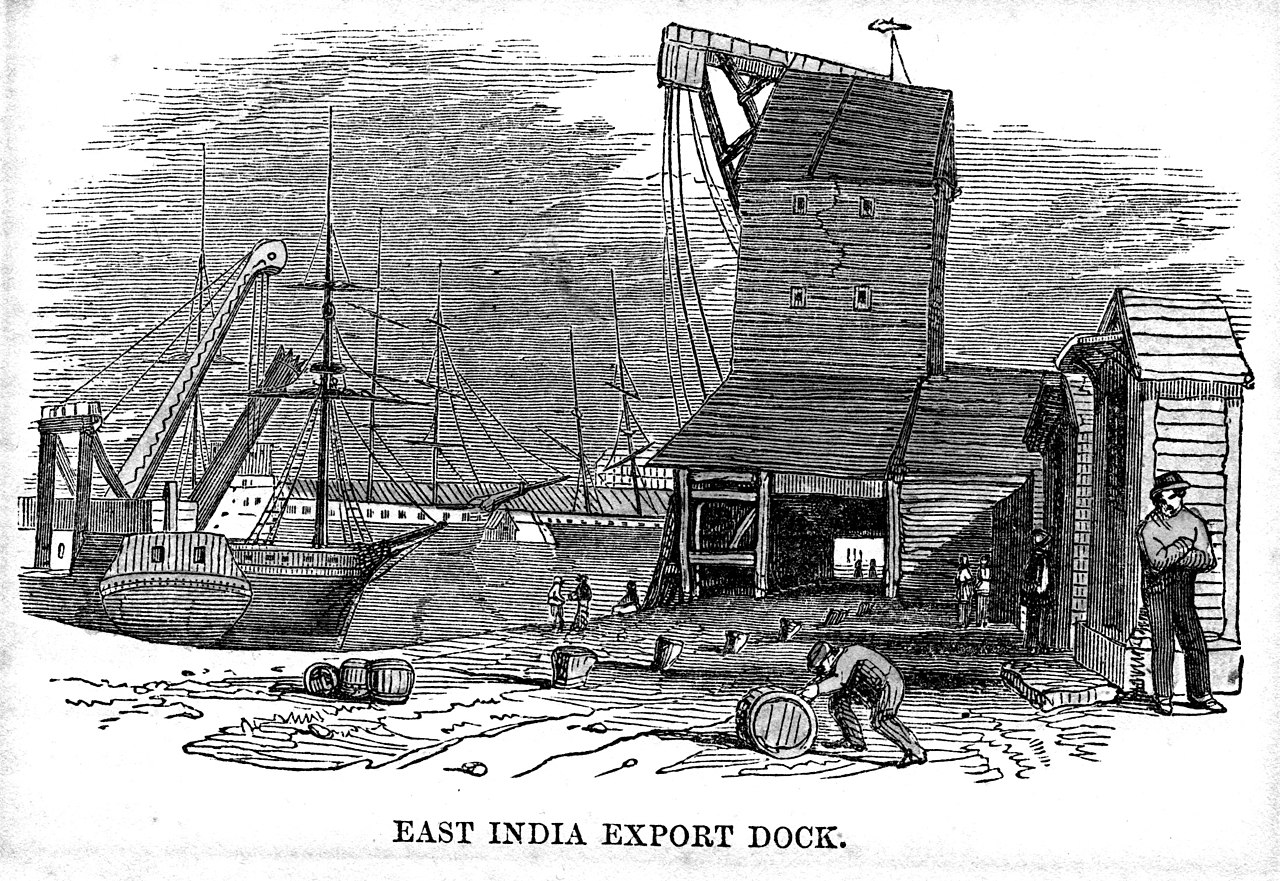
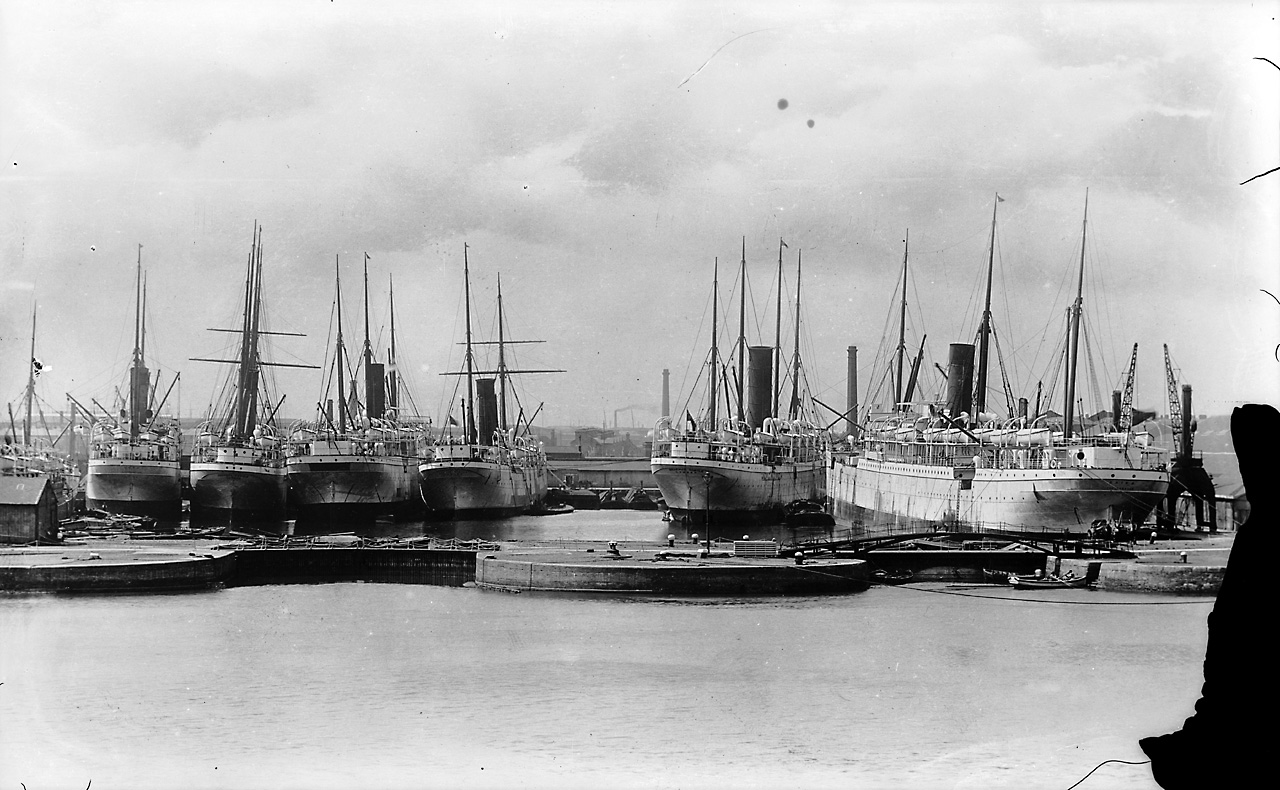
The East India Docks were a purpose-built dock complex on the north shore of the River Thames at Blackwall in East London, located north-east of the Isle of Dogs. Conceived to provide secure berthing and handling for the ships of the British East India Company and other long-distance trading vessels, the docks formed a distinct precinct with basins, locks, quays and warehouse space for high-value cargoes arriving from Asia and beyond.
Image gallery
5 Images


Location and layout
The complex occupied a riverside site with direct access to the Thames and was designed to separate overseas trade from the crowded city wharves. Its principal features included an entrance channel, an internal basin for turning and mooring ships, dockside quays and storage buildings. Over time the basin was extended and additional locks and quays added to accommodate larger vessels and growing volumes of trade.
History and development
Built in the early 19th century to serve the needs of long-distance commercial shipping, the East India Docks played a role in the expansion of British overseas trade. The secure, custom-built facilities allowed faster unloading of valuable cargoes such as tea, spices, textiles and other imported goods, and helped establish the docklands as a specialized maritime quarter distinct from central London’s river frontage.
Operations and importance
At their height the docks handled scheduled arrivals and departures of merchantmen and required a network of cargo handling, warehousing and customs services. The complex supported dockworkers, shipyard suppliers and related trades. It was part of the larger pattern of London’s port activity that linked the city to global shipping routes throughout the 19th and early 20th centuries.
Decline, closure and reuse
Like much of the Port of London, the East India Docks experienced steady decline in the mid-20th century as shipping technology and logistics changed. Containerisation, larger ships and alternative deep-water ports reduced the need for inner-city docks. The East India Docks ceased commercial operation in 1967. Following closure, the basin and some perimeter structures survived while much of the surrounding dockland was redeveloped.
Legacy and present day
Only the entrance basin and parts of the perimeter wall remain visible today. The basin was converted into a managed nature area during redevelopment of the Docklands and has been in the care of the Lee Valley Regional Park Authority since 1998. Surviving elements are valued for their industrial heritage and for providing green and aquatic habitat in a heavily built-up urban area.
- Key surviving features: entrance basin, perimeter walls and fragments of quayside.
- Typical cargoes historically: imported goods such as tea, spices and textiles.
- Post-closure uses: nature reserve, heritage interpretation and public amenity.
The East India Docks remain an instructive example of how purpose-built maritime infrastructure shaped trade and urban development, and how former industrial landscapes can be repurposed for conservation and community use. For local context see Blackwall, further information about East London at East London, and a map reference to the docks' position relative to the Isle of Dogs.
Related articles
Author
AlegsaOnline.com East India Docks Leandro Alegsa
URL: https://en.alegsaonline.com/art/29662