
Ealing: West London borough and cultural centre
Ealing is a diverse west London borough known for its film studios, seven town centres, parks and suburban character. It combines residential neighbourhoods, cultural institutions and transport links into central London.
Ealing is a district and the principal area of the borough commonly called the London Borough of Ealing in west London. The area combines residential neighbourhoods, retail centres, public open space and community facilities. It is widely recognised for its contribution to British cinema through the historic Ealing Studios, one of the best known film production sites in the United Kingdom, and for a mixture of Victorian and 20th-century suburban architecture. The continuing presence of a working studio complex supports creative businesses alongside local services.
Image gallery
10 Images


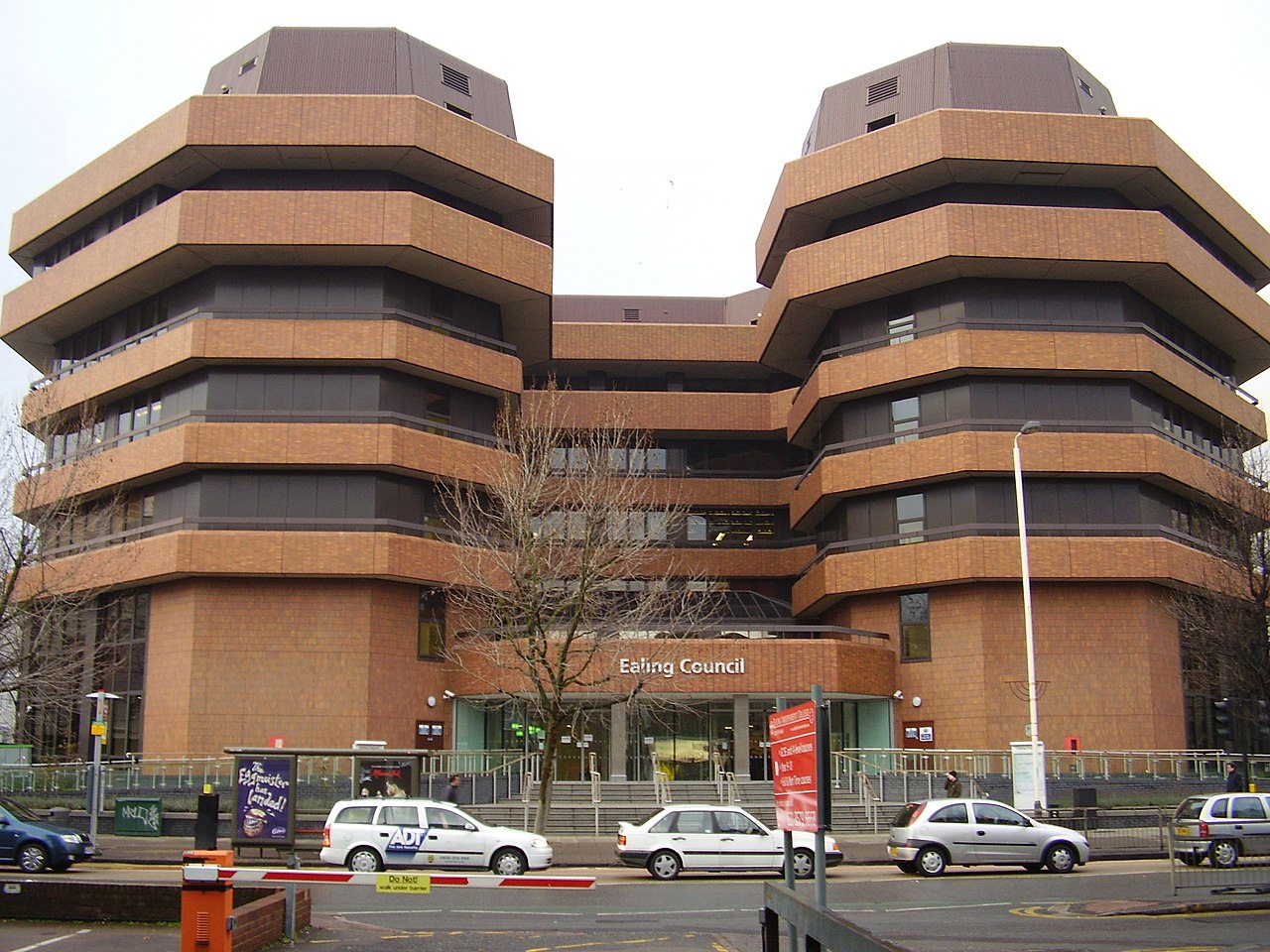


Administrative make-up and centres
The borough contains seven principal town centres that act as local hubs for shops, public transport and community life: Ealing (the central town), Hanwell, Acton, Southall, Greenford, Perivale and Northolt. Each centre has its own identity, ranging from the high streets and parks of Ealing to the multicultural shopping streets of Southall and the light-industrial and residential mixes in Acton and Greenford.
Population and services
The population of the borough was estimated at around 339,000 in the early 2010s. Local government provides a wide range of services, while education is delivered through numerous state schools and nurseries—around ninety institutions—and a number of independent schools. The area has an active amateur and grassroots sports scene, including several non-League football clubs and community sports programmes.
History and development
Originally a rural village, Ealing expanded rapidly during the 19th and early 20th centuries with the arrival of railways and suburban housing development. The extension of public transport, generous parks and civic improvements contributed to its reputation as a desirable suburb. The film industry established a presence in the early 20th century, and Ealing Studios became associated with a distinctive body of British films and a national cultural profile.
Culture, transport and landmarks
Cultural life in the borough includes cinemas, theatres, festivals and music venues, along with community arts organisations. Well-known green spaces such as Walpole Park and Ealing Common provide leisure and conservation value. The area is well connected by rail, London Underground and local bus routes, offering frequent links into central London and to outer suburbs; these transport connections have long shaped its growth as a commuter area.
Economy and education
The local economy is diverse, with retail, professional services, light industry and creative businesses contributing to employment. Educational provision ranges from nursery and primary schools to secondary schools and adult learning centres. Ongoing regeneration and investment projects aim to balance the needs of residents, businesses and cultural institutions while protecting neighbourhood character.
Contemporary role and identity
Ealing's prominence rests on a combination of film heritage, varied town centres and suburban character. It illustrates how historic villages and small towns were absorbed into Greater London yet retained distinct neighbourhood identities. The borough continues to evolve, shaped by demographic change, transport improvements and the efforts of local communities and cultural organisations to preserve and develop local life.
Related articles
Author
AlegsaOnline.com Ealing: West London borough and cultural centre Leandro Alegsa
URL: https://en.alegsaonline.com/art/29519