
Earls Colne — village and civil parish in Essex, England
Earls Colne is a village and civil parish in the Braintree district of Essex, England, with a long local history, community amenities, and an airfield with 20th-century military associations.
Overview
Earls Colne is a village and civil parish in the Braintree district of Essex, England. It sits in the county's rural northern area and takes its name from the nearby River Colne. According to the 2001 census, the parish had a population of 3,389, and it remains a relatively small but active community within commuting distance of larger towns.
Image gallery
9 Images
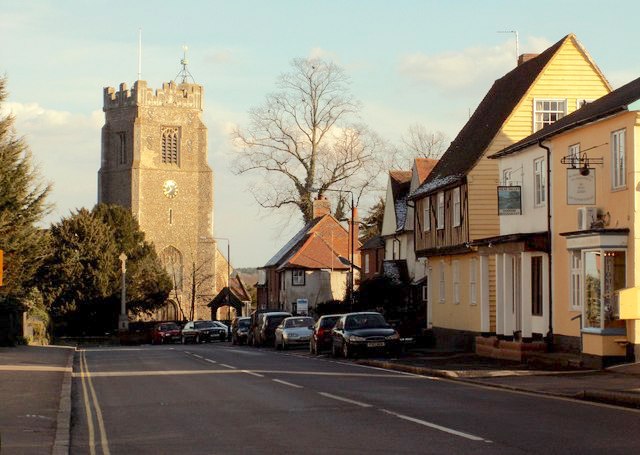


Character and features
The village comprises a mixture of residential streets, agricultural land and small commercial premises. Local amenities typically include a parish church, primary schooling, shops, pubs and community halls that host events and societies. The surrounding landscape is characterised by river valleys and mixed farmland, reflecting the parish's longstanding rural character.
History and development
Earls Colne has roots that extend back several centuries and developed as an agricultural settlement on the banks of the Colne. Over time the village expanded with local trades, mills and services that supported rural life. In the 20th century the area acquired strategic importance when an airfield was established nearby; it played a role in military aviation during World War II and later adapted to peacetime uses.
Notable sites
- Local parish church and historic buildings that reflect the village's long occupation.
- An airfield to the west of the village that has aviation and industrial uses in the post-war period.
- River and countryside walks that attract residents and visitors looking for outdoor recreation.
Community and governance
Earls Colne is governed at the local level by a parish council and forms part of the Braintree district for wider services and planning. Community life typically revolves around village organisations, sports clubs and seasonal events. For official information on local services and planning, see the Braintree district resources: Braintree district information.
Present-day importance and distinction
While modest in size, Earls Colne represents a typical Essex village that blends historical roots with modern rural living. Its combination of community facilities, historic fabric and access to regional transport links makes it a notable settlement within the Braintree district and an example of the county's village heritage.
Related articles
Author
AlegsaOnline.com Earls Colne — village and civil parish in Essex, England Leandro Alegsa
URL: https://en.alegsaonline.com/art/29547
Sources
- neighbourhood.statistics.gov.uk : ONS