
Alor Setar — capital city of Kedah, Malaysia
Alor Setar (Alor Star) is the capital of Kedah in northwestern Malaysia. A regional administrative, cultural and agricultural centre, it is known for its mosques, tower, royal buildings and surrounding rice fields.
Overview
Alor Setar, also spelled Alor Star, is the administrative capital of the Malaysian state of Kedah and a regional hub in northwest Malaysia. The city sits amid low-lying plains and paddy fields and combines Malay, Islamic and colonial architectural influences. It functions as an economic and cultural centre for the surrounding agricultural districts.
Image gallery
10 Images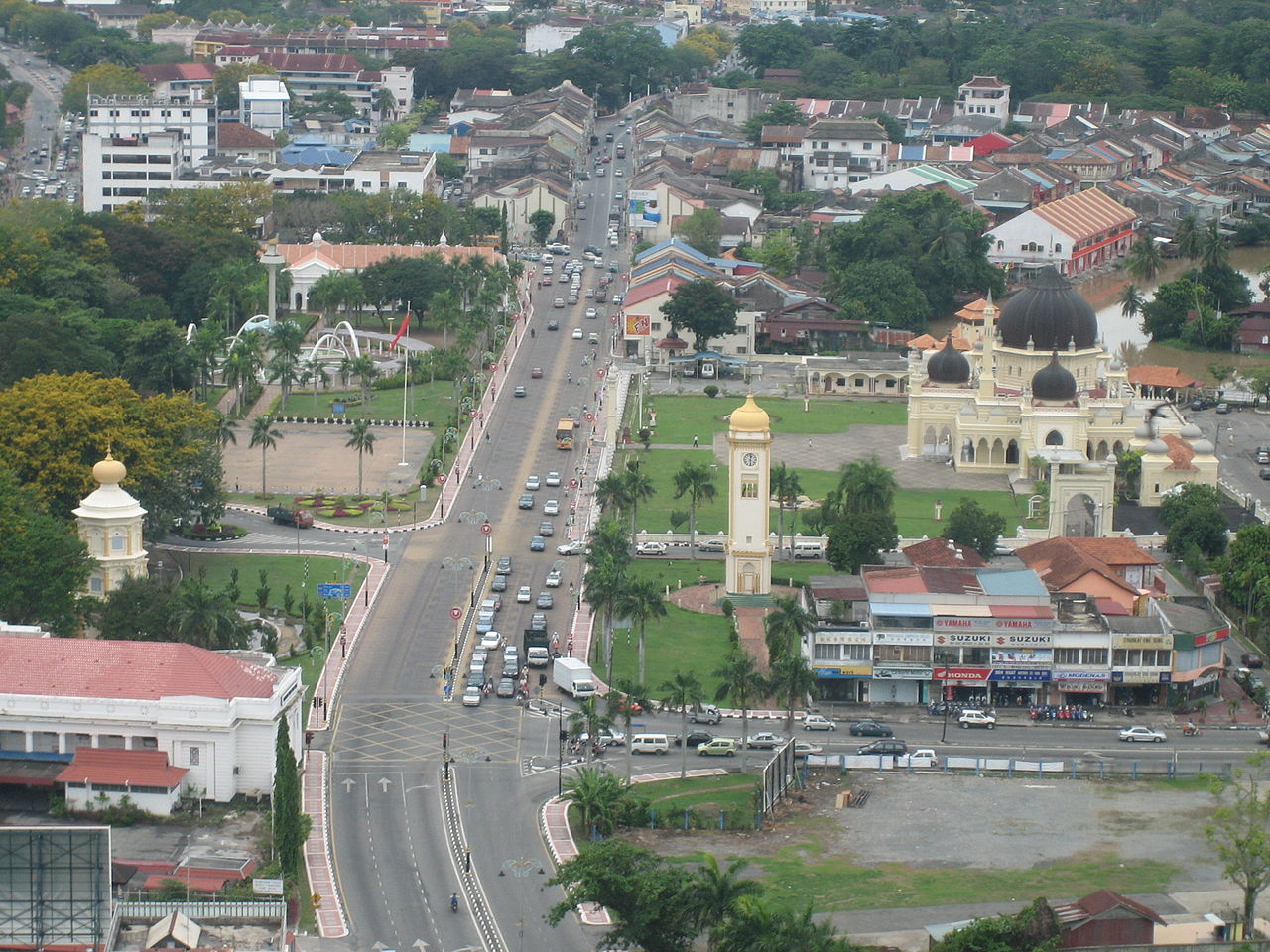


Characteristics and layout
The urban area features a compact historic core of official buildings and royal residences, with newer commercial and residential neighbourhoods expanding outward. River channels and canals historically supported irrigation of rice fields, which remain a visible part of the local landscape. The climate is tropical, with distinct wetter periods that influence planting and harvest cycles.
History and development
Alor Setar developed as the seat of the Kedah sultanate and later as a colonial administrative town. Over time it evolved from a chiefly agricultural centre into a municipal capital, retaining many historic public structures while accommodating modern services and infrastructure.
Landmarks and culture
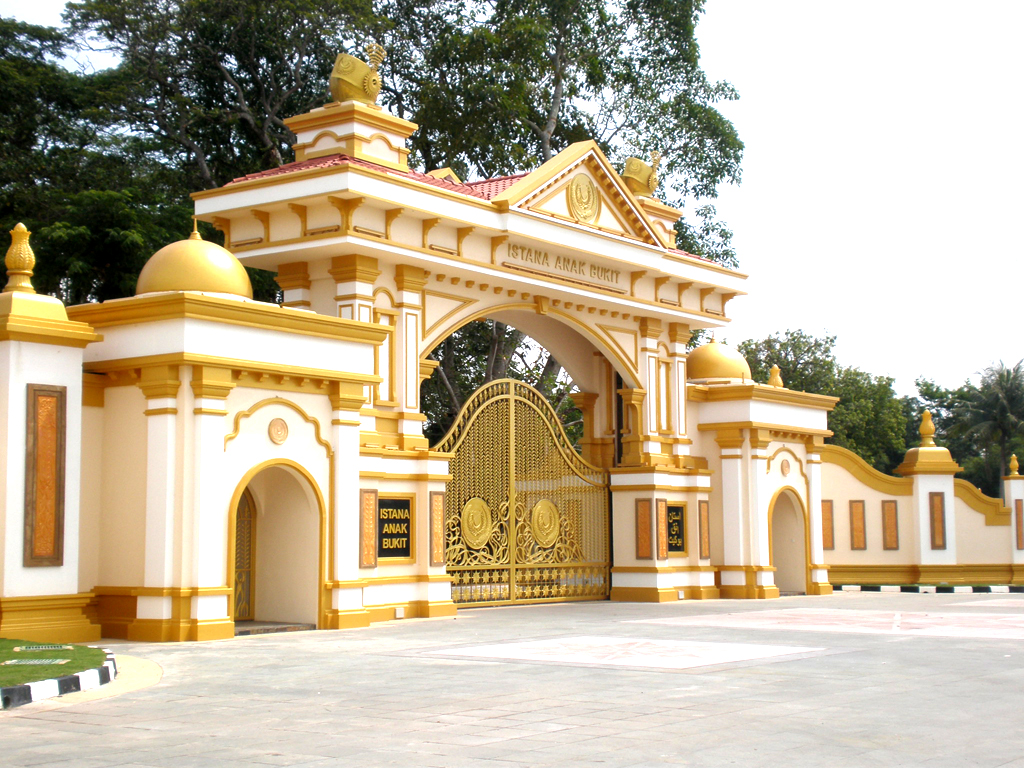
- Prominent mosques and royal buildings that reflect Malay and Islamic design.
- The city tower and observation points that offer views over paddy plains.
- Museums and markets that preserve local crafts, cuisine and traditions.
Festivals and religious celebrations punctuate the year. Local cuisine and handicrafts reflect Kedah's agricultural roots, and visitors often explore both urban sites and the surrounding rural scenery.
Economy and transport
Agriculture—especially rice cultivation—remains important to the wider district, while the city hosts government offices, education and service industries. Alor Setar is connected by road and rail to other Malaysian cities and is served by a regional airport, supporting both commerce and tourism.
For more information on regional context and travel, see resources linked to Malaysia, Kedah and Alor Setar.
Related articles
Author
AlegsaOnline.com Alor Setar — capital city of Kedah, Malaysia Leandro Alegsa
URL: https://en.alegsaonline.com/art/2937