
Dushanbe, Capital of Tajikistan
Dushanbe is the political, cultural and economic center of Tajikistan. Its name—derived from Persian for “Monday”—reflects origins as a market town and today it combines Persian heritage with Soviet-era planning.
Overview
Dushanbe is the capital and largest city of Tajikistan and serves as the country's chief political, cultural and economic hub. The city's name appears in Tajik as Душанбе and in Persian as دوشنبه. The toponym literally means "Monday" and recalls the town's origin as a market that met on that weekday.
Image gallery
10 Images




Location and characteristics
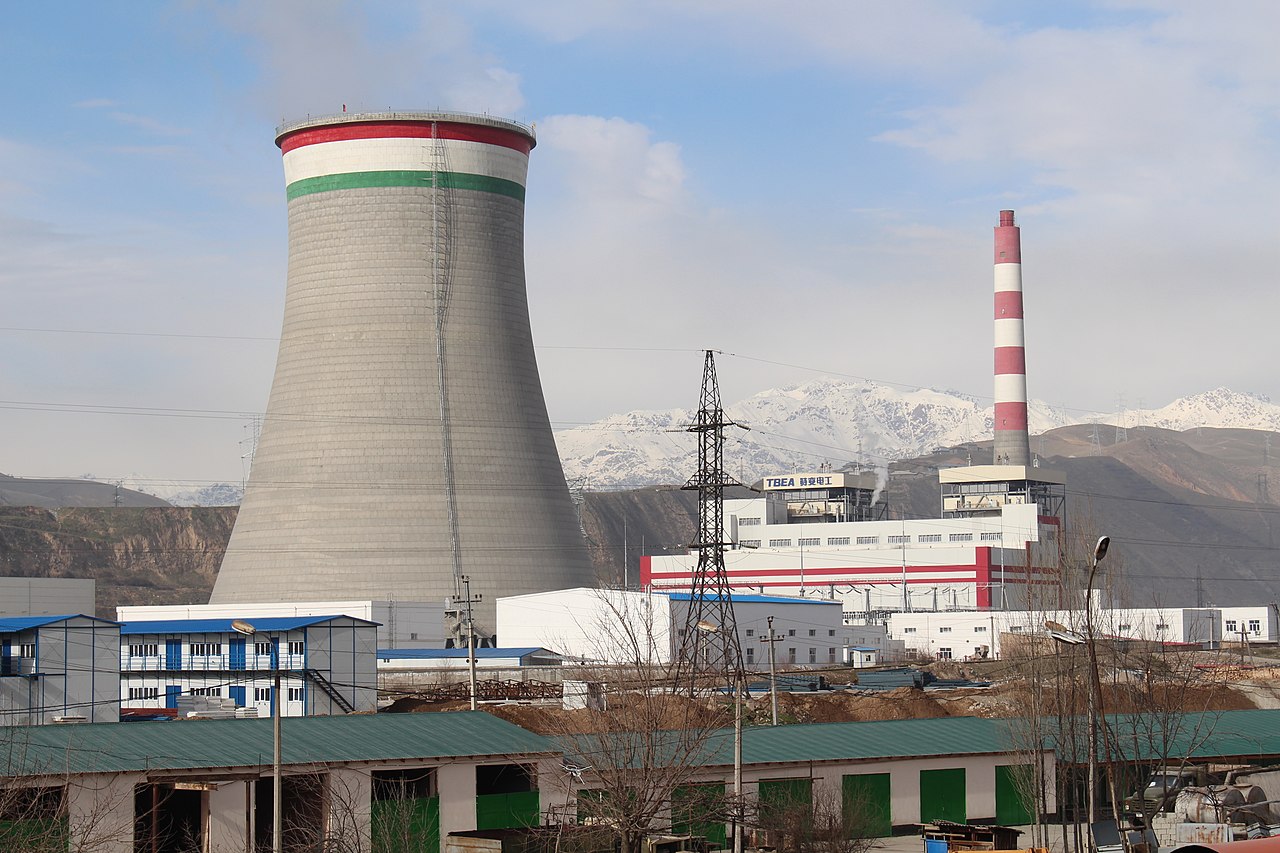
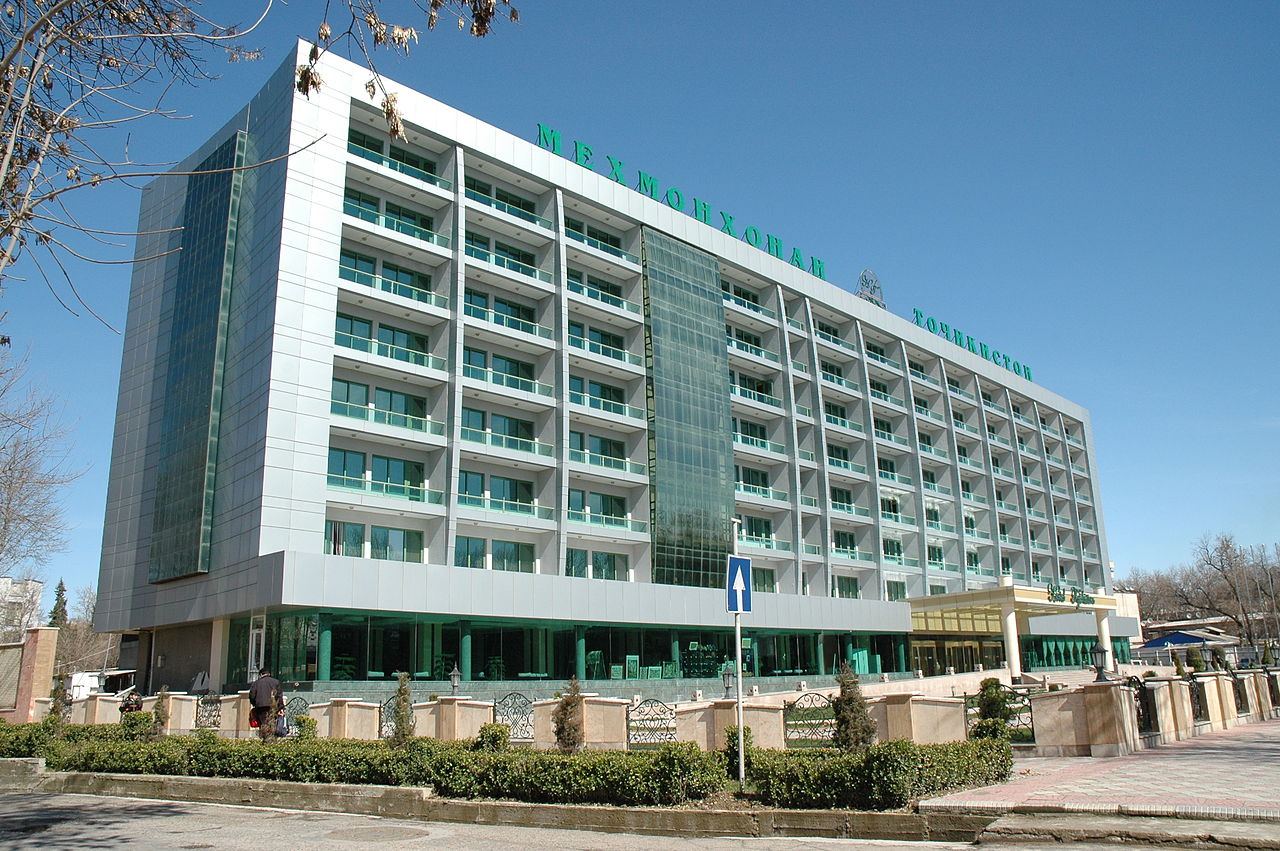
Set in a fertile valley at the western edge of the Hissar mountain foothills, Dushanbe sits amid a landscape of rivers and irrigated fields. The built environment combines wide Soviet-era boulevards, administrative blocks and apartment districts with older bazaar areas and many parks. The climate is continental, with hot summers and cool winters, and the city functions as a regional transport node for road and rail connections.
History and development
Originally a small market settlement, Dushanbe expanded substantially during the 20th century. Rapid urban growth and industrialization occurred under Soviet administration, when it was developed as the administrative center of the Tajik Soviet Socialist Republic. After the collapse of the Soviet Union, Dushanbe continued as the national capital, hosting government ministries, diplomatic missions and national institutions.
Economy, institutions and culture
As the country's administrative heart, Dushanbe concentrates central government bodies, universities, cultural institutions and museums. Industries such as light manufacturing, food processing and construction support the local economy while bazaars and markets remain important social and commercial places. Cultural life blends Persian-language literary traditions and music with the legacy of 20th-century public architecture and institutions.
Notable facts and distinctions
- Its name points to a weekly market day and Persian linguistic roots.
- Dushanbe was transformed from a market town into a planned capital during the Soviet period and retained that status after independence.
- The city hosts many of Tajikistan's higher-education institutions and national museums, making it the country's principal center for education and culture.
Contemporary issues
Population figures have changed over recent decades; for example, an older estimate recorded about 562,000 residents around 2000, and subsequent growth has increased the metropolitan population. Today Dushanbe faces typical post-Soviet urban challenges: modernizing infrastructure, managing suburban expansion and balancing heritage conservation with new development. It remains central to Tajikistan's political life and public identity, often serving as the venue for national ceremonies and international diplomacy, and as the focal point for the country's economic and cultural activity. For further background see introductory resources on the city's name and status as the capital city.
Related articles
Author
AlegsaOnline.com Dushanbe, Capital of Tajikistan Leandro Alegsa
URL: https://en.alegsaonline.com/art/29333