
Duryea, Pennsylvania
Duryea is a small borough in Luzerne County, Pennsylvania, on the eastern bank of the Susquehanna River near Scranton. Known for its industrial past and riverfront location, it is part of the Scranton metropolitan area.

Overview
Duryea is a borough in Luzerne County, Pennsylvania, United States, located about nine miles south of Scranton. The community sits on the eastern bank of the Susquehanna River and had a population of 4,917 at the 2010 census. Duryea forms part of the greater Scranton metropolitan area and functions largely as a residential borough with small commercial and light industrial activity.
Image gallery
3 Images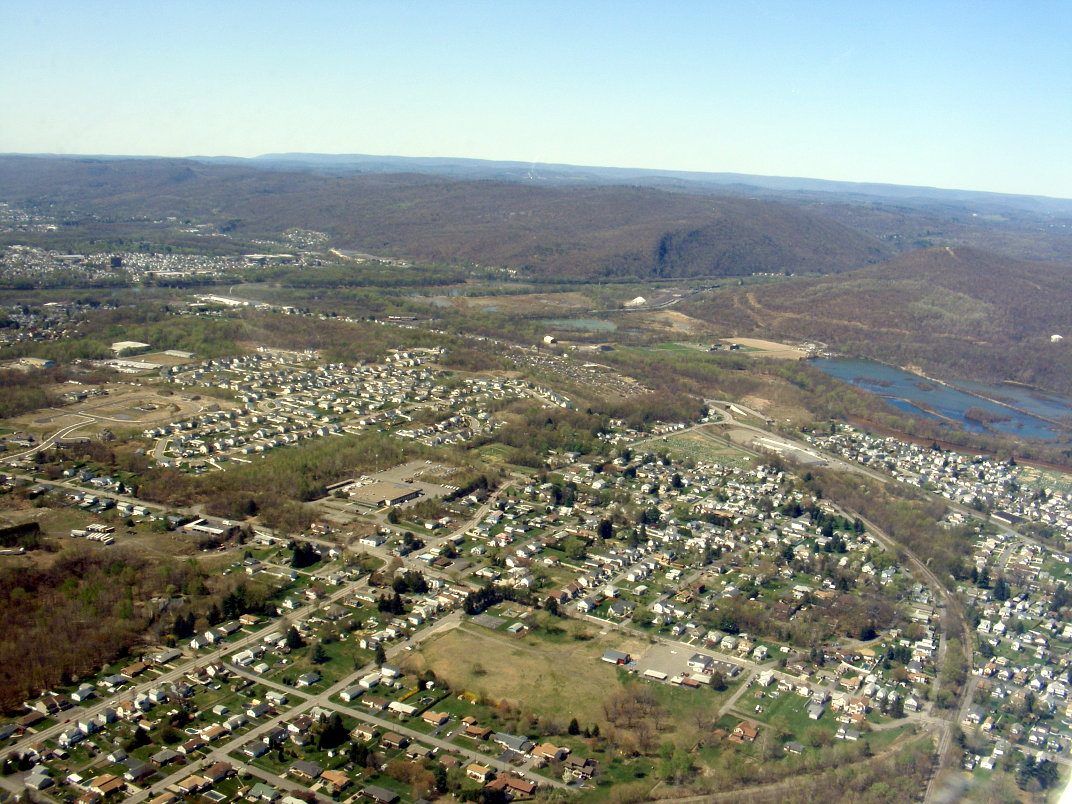


Geography and features
Duryea's riverfront position has shaped its development and local character. The borough includes low-lying floodplain areas adjacent to the Susquehanna as well as higher ground that supports housing and municipal buildings. Streets, parks and local infrastructure reflect both the constraints and opportunities of a community sited along a major river in northeastern Pennsylvania.
History and development
The borough developed during the 19th and early 20th centuries in a region long associated with anthracite coal mining, railroads and manufacturing. Like many nearby communities, Duryea grew with industry that relied on river and rail transportation. Over time the local economy shifted away from large-scale coal operations toward diversified, smaller-scale commerce and residential use.
Community and government
Duryea is governed by a borough council and elected officials who oversee local services, zoning and public works. Community life centers on neighborhood institutions, volunteer organizations and efforts to maintain and improve the riverfront and public amenities.
Challenges and renewal
Proximity to the Susquehanna has brought both benefits and hazards: the river is an asset for scenery and local recreation, but flooding has at times caused damage to property and infrastructure. In response, residents and local leaders have pursued recovery, flood mitigation and revitalization initiatives aimed at sustaining the borough’s residential quality and encouraging modest economic growth.
Points of interest
- Riverfront views and access to the Susquehanna.
- Neighborhood parks and community facilities serving local residents.
- Proximity to regional services, employment centers and cultural attractions in the Scranton area.
Related articles
Author
AlegsaOnline.com Duryea, Pennsylvania Leandro Alegsa
URL: https://en.alegsaonline.com/art/29332