
Dumiso Dabengwa: Zimbabwean liberation leader and politician
Dumiso Dabengwa (1939–2019) was a Zimbabwean nationalist who led ZIPRA intelligence during the Rhodesian Bush War, later served as Minister of Home Affairs, and stood as ZAPU presidential candidate in 2013.
Dumiso Dabengwa (6 December 1939 – 23 May 2019) was a prominent Zimbabwean figure known for his role in the anti-colonial liberation struggle and for a long career in post‑independence politics. Born in what became Zimbabwe, he rose to national prominence as the head of intelligence for the Zimbabwe People's Revolutionary Army during the Rhodesian Bush War and later served in government, including as Minister of Home Affairs in the 1990s.
Image gallery
1 Image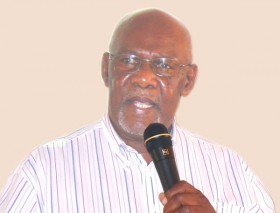
Role in the liberation struggle
During the uprising against white minority rule, Dabengwa became the chief of intelligence for the Zimbabwe People's Revolutionary Army (ZIPRA), the military wing associated with the Zimbabwe African People's Union (ZAPU). In that capacity he was responsible for gathering and analyzing information, coordinating operations and maintaining security for guerrilla activities. ZIPRA was one of the main organized forces that contributed to negotiations leading to majority rule in 1980.
Political and government career
After independence, Dabengwa remained active in public life. He served as Zimbabwe's Minister of Home Affairs from 1992 until 2000, a post that traditionally oversees internal security, the police service and civil registry functions. Later he was associated with ZAPU as it continued to operate as a political formation distinct from other movements, and he campaigned for national office in later years.
- Key roles: ZIPRA intelligence chief (liberation period); Minister of Home Affairs (1992–2000); ZAPU leader and presidential candidate.
- Political stance: Advocated for veteran rights and recognition of ZAPU's role in liberation.
2013 candidacy and later years
In the 2013 general election Dabengwa stood as a presidential candidate for ZAPU, seeking to present an alternative rooted in the party's historical identity and the experiences of former guerrilla fighters. His candidacy emphasized reconciliation, veterans' welfare and the recognition of historical contributions to independence. The campaign period highlighted enduring political divisions dating back to the early post‑independence years and the ongoing role of former liberation leaders in Zimbabwean public life. See the 2013 election overview here.
Legacy and death
Dabengwa is widely remembered as a veteran of the liberation struggle and a leading voice for those who fought under the ZAPU banner. He remained a controversial but respected figure in many circles, particularly in regions where ZIPRA had a strong presence. Dabengwa died on 23 May 2019 in Harare; reports attributed his death to liver disease. He was 79. His life is often cited in discussions of Zimbabwe's transition from guerrilla movements to party politics and the long-term care of liberation veterans.
Related articles
Author
AlegsaOnline.com Dumiso Dabengwa: Zimbabwean liberation leader and politician Leandro Alegsa
URL: https://en.alegsaonline.com/art/29200
Sources
- treas.gov : U.S. Treasury document · web.archive.org
- mailandtelegraph.com : "War supremo, Dumiso Dabengwa dies"