
Down Argentine Way (1940 film)
A 1940 Technicolor musical from 20th Century Fox, directed by Irving Cummings, starring Betty Grable, Don Ameche and Carmen Miranda; noted for its lavish musical numbers and three Academy Award nominations.
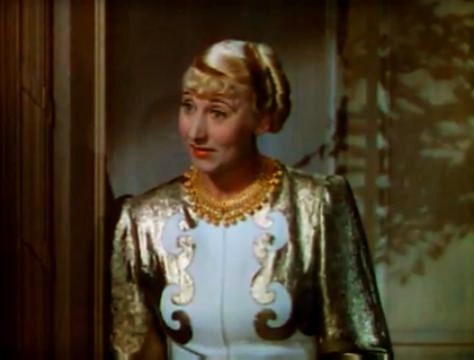
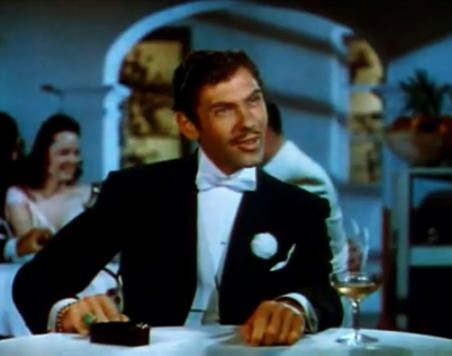
Down Argentine Way is a 1940 American musical film produced and released by 20th Century Fox and directed by Irving Cummings. The picture helped popularize the studio’s brightly colored musical style and showcased a mix of song, dance and light comedy. Its principal cast included Betty Grable, Don Ameche, and Carmen Miranda, supported by character players of the era. The film received three Academy Award nominations in 1941 and remains cited as a representative example of early Technicolor Hollywood musicals.
Image gallery
7 Images




Overview
The film presents a lightweight romantic plot that serves mainly as a framework for musical set pieces, chorus numbers and comic interludes. Production values emphasize color, costume and choreography rather than ethnographic accuracy: elaborate studio sets evoke an idealized version of South American locales, and contemporary audiences were invited to enjoy spectacle more than realism. The pacing and tone are typical of studio musicals of the late 1930s and early 1940s, mixing ballads, up-tempo dance routines and brief comic sketches.
Cast, music and style
- Betty Grable — one of Fox’s rising musical stars, featured in principal singing and dancing sequences.
- Don Ameche — leading man and romantic interest, delivering a mixture of dramatic and light comic moments.
- Carmen Miranda — brought a flamboyant musical persona and high-energy numbers that made a strong impression on U.S. audiences.
- Supporting performers included character actors and specialty dancers who filled out the variety-style showmanship of the picture.
Filmed in three-strip Technicolor, the movie emphasized vivid palettes, costume design and choreographed ensemble scenes. Songs and dance routines are central to the film’s appeal and were promoted alongside the stars as part of 20th Century Fox’s studio offerings.
Production context and historical notes
Released at the start of the 1940s, the picture belongs to a cycle of Hollywood films that drew on Latin American themes and rhythms. Studios at this time often sought to create friendly cultural links while offering American audiences fresh musical idioms. The film’s use of generalized South American motifs and blended cultural elements reflects common studio practices of the era rather than a commitment to precise regional depiction.
Reception and legacy
Contemporary reviews praised the film’s color and musical numbers, and the industry recognized it with three Academy Award nominations. Over time, film historians have viewed it as both a milestone in the careers of its stars and as an example of how Hollywood packaged international imagery for mass entertainment. Carmen Miranda’s performances helped raise her profile in the United States, while Betty Grable’s presence reinforced her emerging status as a leading musical star for Fox.
Notable distinctions
- One of 20th Century Fox’s early large-scale Technicolor musicals.
- Part of Hollywood’s broader interest in Latin-flavored entertainment during the period.
- Launched or boosted the U.S. profiles of several performers while remaining chiefly remembered for its musical spectacle.
Today, Down Argentine Way is often studied for what it reveals about studio-era musical production, mid-20th-century popular tastes, and how Hollywood visualized foreign locales for domestic audiences. For viewers interested in classic musicals, it offers a vivid, if stylized, example of the genre’s entertainment priorities during that period.
Related articles
Author
AlegsaOnline.com Down Argentine Way (1940 film) Leandro Alegsa
URL: https://en.alegsaonline.com/art/28763