
Douglas County, Georgia: Overview, History, and Notable Features
Douglas County, in the U.S. state of Georgia, is a suburban and historically rich county west of Atlanta, known for Douglasville, parks, and steady growth since its 19th‑century founding.
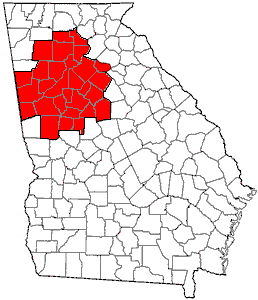
Douglas County is a county located in the United States state of Georgia. Positioned west of the city of Atlanta, it combines suburban neighborhoods, commercial centers, and pockets of rural land. The county seat is Douglasville, a regional hub for shopping, government, and local services. According to the 2010 census the county had roughly 132,000 residents; since then it has experienced continued suburban growth linked to the broader Atlanta metropolitan area.
Image gallery
5 Images



Geography and communities
Douglas County covers a mix of rolling hills and river valleys typical of north‑central Georgia. It includes incorporated cities, smaller towns, and numerous unincorporated communities. Residential subdivisions, commercial corridors, and preserved green spaces coexist within the county’s boundaries, making it a transitional area between urban Atlanta and more rural counties to the west.
History and development
Established in the 19th century, Douglas County was named for a prominent national political figure of that era. Over time the county evolved from an agricultural landscape into a suburban extension of Atlanta as transportation links improved. This transition brought residential development, retail centers, and light industry while preserving historic neighborhoods and local landmarks.
Government, economy, and services
The county is governed by elected officials who oversee public services such as schools, law enforcement, and infrastructure. The local economy blends retail, professional services, manufacturing, and public employment. Many residents commute to jobs elsewhere in the Atlanta region, while others work in growing commercial centers within the county.
Attractions and notable facts
- County seat: Douglasville, the primary civic and commercial center.
- Recreation: parks and outdoor destinations offer hiking, fishing, and family activities.
- Shopping and services: regional malls and business districts serve local and nearby populations.
Douglas County remains a dynamic part of the Atlanta metropolitan area, balancing development and community amenities while retaining ties to its historical roots.
Related articles
Author
AlegsaOnline.com Douglas County, Georgia: Overview, History, and Notable Features Leandro Alegsa
URL: https://en.alegsaonline.com/art/28685