
Dornach, Switzerland — municipality, history, and the Goetheanum
Dornach is a municipality in the Dorneck district of the canton of Solothurn, Switzerland. Known for the Goetheanum and the 1499 Battle of Dornach, it blends cultural institutions with suburban links to Basel.
Overview
Dornach is a Swiss municipality in the district of Dorneck within the canton of Solothurn, located in the northwest part of the country near the city of Basel. It combines residential neighbourhoods with cultural institutions and green spaces. The community is notable both for a decisive late-medieval battle and for its modern cultural architecture.
Image gallery
10 Images




Geography and administration
The municipality sits near the border area between Solothurn and the Basel region and is part of a subalpine landscape of gentle hills and river valleys. Municipal government manages local services, schools and planning, while many residents commute to larger urban centres for work. The position close to regional transport corridors gives Dornach a mix of suburban calm and access to city amenities.
History
Dornach entered the historical record as the site of the Battle of Dornach in 1499, a clash that concluded the Swabian War between forces of the Old Swiss Confederacy and the Swabian League. The Swiss victory at Dornach was an important step toward increased autonomy for the confederacy within the late-medieval Holy Roman Empire. Over the centuries Dornach evolved from a rural parish into a suburban municipality with cultural institutions attracting international visitors.
Culture, architecture and points of interest
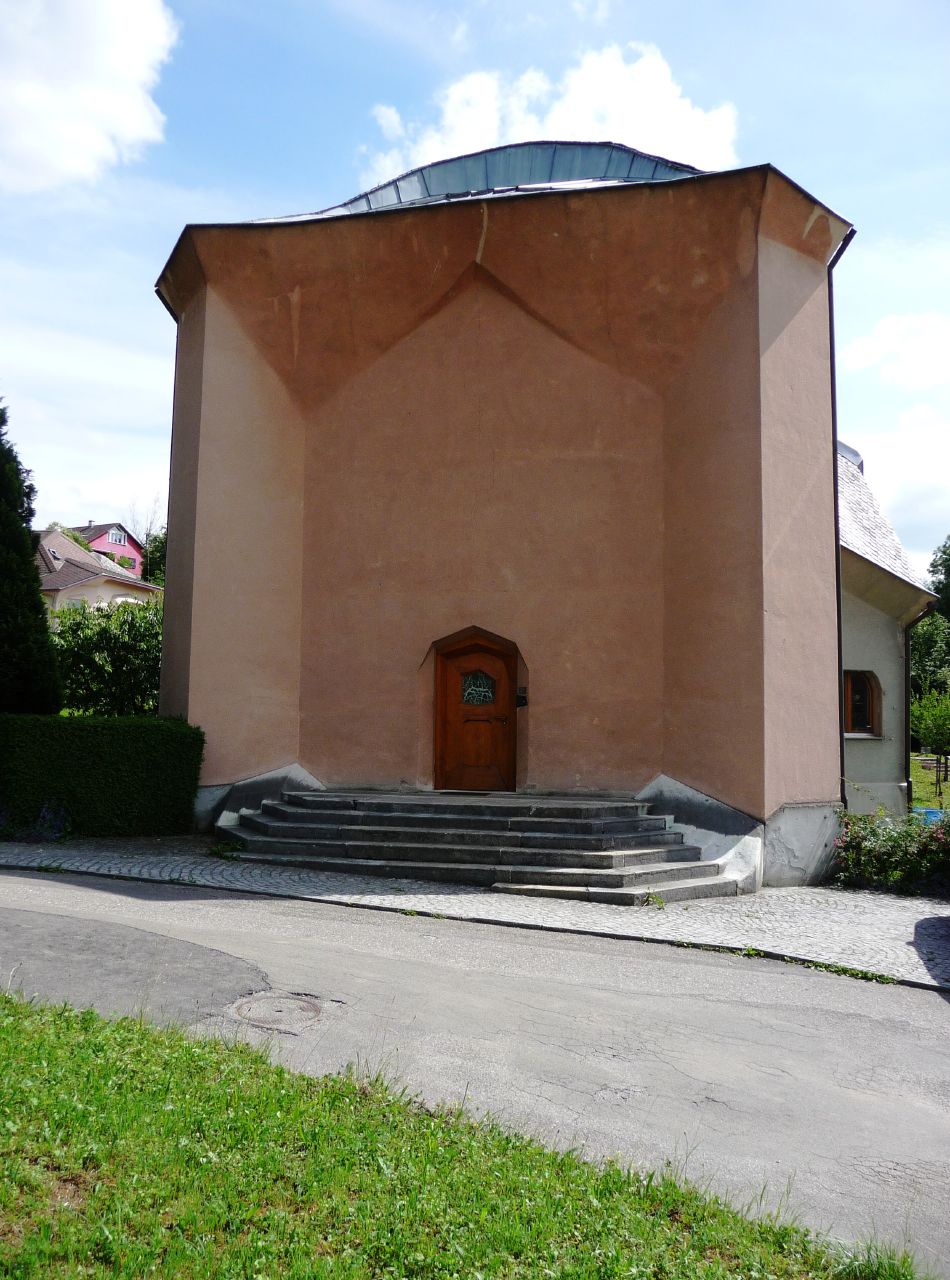
The most internationally recognised site in Dornach is the Goetheanum, the world centre for the anthroposophical movement founded by Rudolf Steiner. The first Goetheanum, a wooden building by Steiner, was destroyed by fire in 1922; it was replaced by the present reinforced-concrete structure completed in the 1920s. The complex hosts theatre, lectures, exhibitions and a distinctive program of artistic and spiritual activities.
- Goetheanum: architectural landmark and cultural centre.
- Historical sites: local memorials and places remembering the 1499 battle.
- Parks and trails: green spaces and walking routes linking Dornach with neighbouring communities.
Economy and transport
Dornach's economy is a mix of local commerce, services connected to cultural tourism, and residents employed in nearby cities. It is served by regional rail and bus connections that provide frequent links to Basel, Solothurn and other towns. The municipality balances preservation of village character with provision of modern amenities for inhabitants and visitors.
Related articles
Author
AlegsaOnline.com Dornach, Switzerland — municipality, history, and the Goetheanum Leandro Alegsa
URL: https://en.alegsaonline.com/art/28573
Sources
- bfs.admin.ch : "Arealstatistik Standard - Gemeinden nach 4 Hauptbereichen"
- bfs.admin.ch : "Ständige Wohnbevölkerung nach Staatsangehörigkeitskategorie Geschlecht und Gemeinde; Provisorische Jahresergebnisse; 2018"