
Dorchester, Massachusetts
Dorchester is Boston’s largest neighborhood by area and population, founded in 1630. It includes diverse communities, historic sites, Columbia Point institutions, and a mix of residential, commercial, and waterfront areas.
Dorchester is a major neighborhood in the City of Boston, located in the eastern portion of Massachusetts. Covering more than six square miles (about 16 km²), Dorchester was settled in 1630 by Puritan colonists and later annexed to Boston. It remains one of the city’s most populous and varied communities; the neighborhood recorded 92,115 residents in the 2010 United States Census, and continues to evolve demographically and economically within the United States urban landscape.
Image gallery
10 Images


Overview and character
Dorchester mixes densely settled urban blocks, quieter residential streets, and stretches of waterfront along Dorchester Bay and the Neponset River. Housing types range from triple-decker wood-frame houses to apartment buildings and newer condominium developments. The neighborhood is known for its strong local commercial corridors, community organizations, and active civic life. Many longtime institutions—neighborhood markets, churches, and community centers—coexist with newer businesses and development projects.
Neighborhoods and landmarks
Several distinct sub-districts help define Dorchester’s geography and identity. Notable areas include:
- Savin Hill and Ashmont — residential hills with transit connections and village centers;
- Fields Corner and Uphams Corner — traditional commercial corridors with restaurants and shops;
- Codman Square and Meetinghouse Hill — civic and historic focal points;
- Columbia Point — a waterfront peninsula that hosts major institutions.
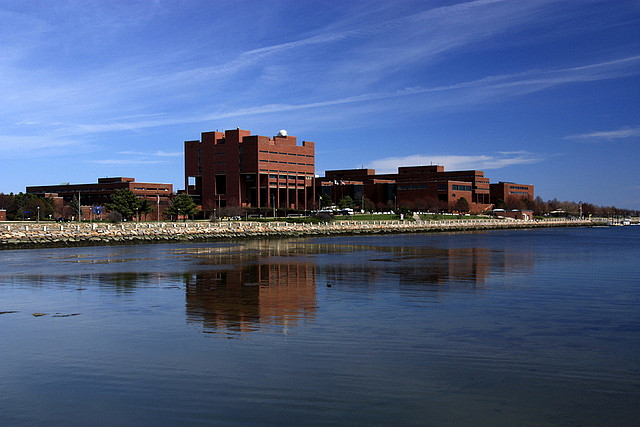
Columbia Point is home to the University of Massachusetts Boston campus, the John F. Kennedy Presidential Library and Museum, and the Edward M. Kennedy Institute for the U.S. Senate, making it an institutional and cultural anchor for the neighborhood.
History and development
Founded by English Puritans in the early colonial period, Dorchester began as an independent town with farms and meetinghouses. Over centuries it transitioned from rural hinterland to streetcar suburb and then to a denser urban neighborhood as Boston expanded. Annexation into Boston in the late 19th century brought municipal services and closer ties to the growing city. Industrial activity, transit improvements, and waves of immigration have repeatedly reshaped Dorchester’s built environment and social fabric.
Demographics, culture, and economy
Dorchester is ethnically and culturally diverse. Historically home to Irish-American communities, it also has large Cape Verdean, Caribbean, African American, Latino, and Asian populations, among others. This mix is reflected in local festivals, religious institutions, restaurants, and small businesses. Economic life includes neighborhood retail corridors, professional services, education and research at Columbia Point, and light industrial zones. Community groups and development organizations play an active role in neighborhood planning and affordable housing initiatives.
Transportation and notable facts
The neighborhood is served by several branches of Boston’s public transit system, including Red Line stations and connecting bus routes, which provide links to downtown and surrounding areas. Dorchester’s size and diversity make it a frequent subject of municipal planning, historic preservation efforts, and community-led projects. Its long history, range of neighborhoods, and important public institutions contribute to Dorchester’s role as one of Boston’s most dynamic and distinct areas.
Related articles
Author
AlegsaOnline.com Dorchester, Massachusetts Leandro Alegsa
URL: https://en.alegsaonline.com/art/28537
Sources
- bostonredevelopmentauthority.org : "Boston's Neighborhoods: Dorchester"