
Dolores County, Colorado
Rural county in southwestern Colorado, established in 1881 and named for the Dolores River; Dove Creek is the county seat and a local agricultural center with low population density.
Overview
Dolores County is a sparsely populated county in the southwestern part of the U.S. state of Colorado. Created on February 19, 1881, it takes its name from the Dolores River, a tributary of the Colorado River system. The county is one of the 64 that make up the state and is noted for its wide plateaus, canyon country and semi-arid high desert landscapes (county list).
Image gallery
6 Images


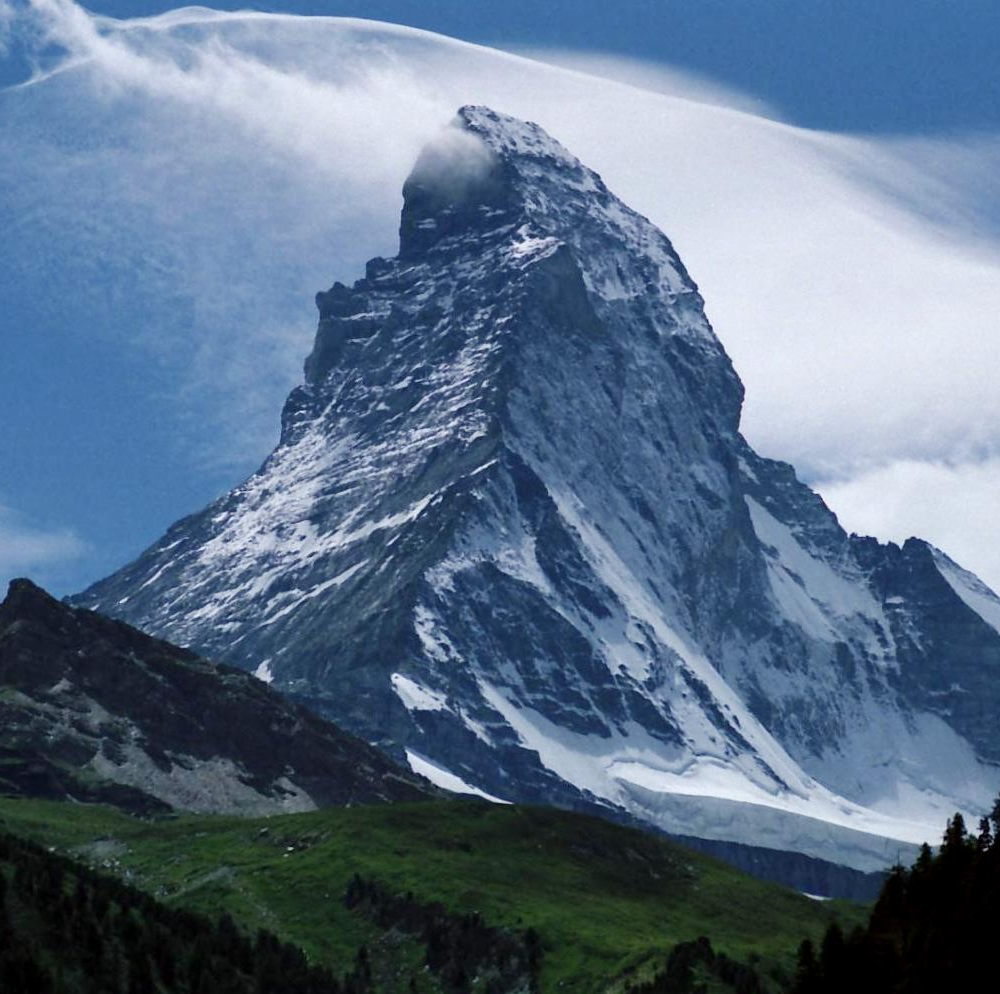

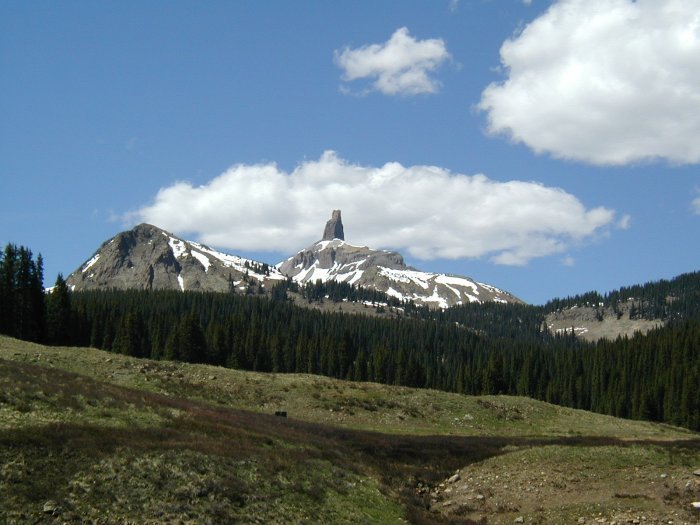
History
Settlement and administrative organization in the late 19th century reflected patterns of ranching, limited mining activity and transportation development across the region. The county was established by the territorial legislature and named for the river that shaped local valleys. Historical settlement has remained light compared with more densely populated areas of Colorado, preserving much of the county’s rural and open character.
Geography and environment
The county landscape combines mesas, rocky canyons and river valleys carved by the Dolores River and its tributaries. Vegetation is dominated by sagebrush steppe, piñon-juniper woodlands and irrigated patches in valley floors. The semi-arid climate brings cold winters and warm, relatively dry summers. These open habitats support wildlife such as mule deer, elk and a variety of raptors, and they are used extensively for livestock grazing and small-scale farming.
Population and government
Dolores County is among Colorado’s least populous counties. According to the 2010 census, the population was 2,064; subsequent estimates have kept the county near that low level, making population density one of the state’s lowest. Local government follows Colorado’s county model, with elected officials and a board of county commissioners. The county seat and administrative center is Dove Creek, which serves as the primary location for local services and commerce.
Economy and communities
The local economy is dominated by agriculture and ranching, with small family farms, cattle operations and some specialty crop production. Dove Creek and a handful of rural settlements provide essential services, small businesses and community institutions. Tourism and outdoor recreation contribute seasonally through hunting, fishing and scenic drives, but commercial activity remains limited compared with larger regional centers.
Recreation and access
Visitors are drawn by quiet outdoor pursuits: hiking, wildlife viewing, hunting and river recreation where conditions allow. Public lands and scenic backroads offer access to wide vistas and solitude. The county’s remoteness appeals to those seeking low-density communities and open country. For general information about state programs and county administration see state resources on state government and regional planning pages, including listings of counties and broader Colorado resources.
Transportation and services
Transportation is primarily by roadway, with state and local routes connecting ranching areas and small towns to regional highways. Services such as healthcare, education and retail are concentrated in Dove Creek; residents frequently travel to larger nearby communities for specialized services and supplies. The county’s scale and infrastructure reflect its rural character and low population density.
Related articles
Author
AlegsaOnline.com Dolores County, Colorado Leandro Alegsa
URL: https://en.alegsaonline.com/art/28245
Sources
- quickfacts.census.gov : "State & County QuickFacts"
- naco.org : "Find a County" · web.archive.org