
DMOZ (Open Directory Project)
DMOZ, or the Open Directory Project, was a large volunteer-edited web directory that organized sites into a hierarchical taxonomy and influenced early search and web classification.
The Open Directory Project, commonly known as DMOZ (after its dmoz.org domain), was a large, volunteer-maintained directory of websites organized by subject. Launched in the late 1990s as a human-curated alternative to automated search indexes, DMOZ grouped web resources into a tree-like taxonomy of categories and subcategories. Each listing typically included a short description and a link, and categories were cross-linked to reflect related topics.
Image gallery
2 Images
Structure and editorial model
DMOZ relied on a distributed community of volunteer editors who proposed, reviewed and maintained listings for specific categories. Editors had varying levels of responsibility, with some acting as category maintainers and others overseeing broader sections. Submissions were reviewed according to editorial guidelines that emphasized relevance and basic quality; decisions were made by human judgment rather than automated ranking. This approach produced a curated collection but also introduced subjectivity and uneven coverage.
History and development
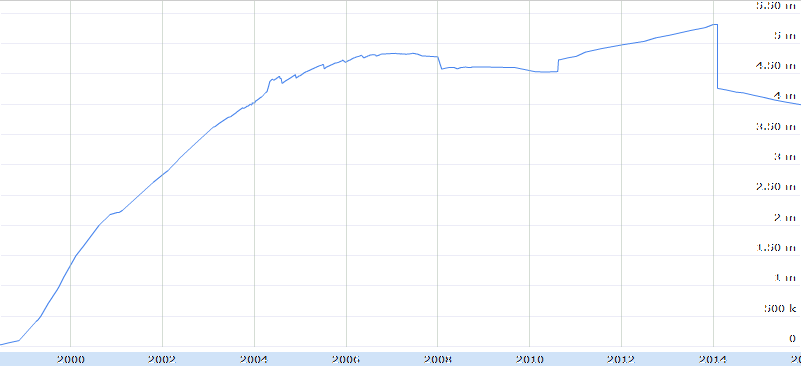
Originating as a small project in the 1990s, DMOZ grew rapidly and became widely referenced by directories and portals. Its database was used, copied or mirrored by a number of services and provided a structured dataset that supported directory-style browsing. Over time, as algorithmic search engines and automated crawling became more powerful, the role of human-edited directories diminished. The project was hosted at Open Directory Project and ultimately ceased active operation in the 2010s; portions of its content were archived and later continued by community efforts.
Uses and influence
- Provided a manually curated taxonomy useful for browsing and topical discovery.
- Served as a source of link data and categorical labels that were incorporated by other services and research projects.
- Offered a legitimacy benchmark for websites during the era when directory listings were a common signal of quality.
Because listings were selected by volunteers, inclusion in DMOZ was often seen as a valuable endorsement; website owners and search optimizers would seek directory placement as part of early SEO practice.
Limitations and legacy
Human curation produced clear benefits for topical accuracy and serendipitous discovery, but it also brought drawbacks: editorial inconsistency, slow updates, uneven coverage across languages and subjects, and vulnerability to biased or subjective decisions. As the web scaled, maintaining comprehensive, up-to-date manual listings became increasingly difficult.
Even after the original project stopped accepting new entries, DMOZ left a legacy as an influential experiment in community-driven categorization. Its archived data remains a historical snapshot of the early web and inspired successor projects and mirrored directories that preserve or continue its editorial spirit.
Related articles
Author
AlegsaOnline.com DMOZ (Open Directory Project) Leandro Alegsa
URL: https://en.alegsaonline.com/art/28066