
Dixon of Dock Green
Long-running BBC police series (1955–1976) centred on PC George Dixon. Known for its gentle, moral tone, community policing image and cultural influence on British television drama.
Dixon of Dock Green was a long-running BBC television drama that followed the work and life of a local police constable in a fictional London borough. First broadcast in 1955, the series presented a reassuring, community-focused image of policing and remained on air until 1976. Its central figure, PC George Dixon, became a recognisable screen presence and a symbol of the old-fashioned, neighbourly bobby.
Image gallery
1 Image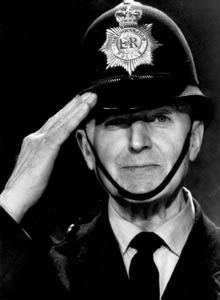
Format and tone
The programme combined standalone, hour-long stories with recurring characters. Rather than a hard-edged crime thriller, it emphasised everyday policing, moral lessons and social responsibility. Episodes often resolved around minor offences, disputes and human dilemmas, with the chief constable portrayed as sensible, pragmatic and humane.
Origins and production
The character of George Dixon had earlier appeared on film, and the television series grew out of that cinematic background. Although it was a drama, the BBC initially placed the show in its light entertainment department, reflecting its gentle tone and broad public appeal. Production practices of the era mean some episodes were later lost from the archives, a fate shared by a number of contemporaneous series.
Characters and development
George Dixon acted as a moral centre: a steady, experienced constable who addressed colleagues and viewers with plainspoken wisdom. Over its run the series adapted to changing social attitudes and television styles, introducing more contemporary plots during the 1960s and 1970s while retaining its core identity.
Legacy and cultural impact
Dixon of Dock Green influenced how British television depicted local policing for decades, popularising the image of the approachable, community-minded officer. The series also inspired later adaptations and a radio version, and it remains a frequent point of reference in discussions of postwar British popular culture.
Notable facts
- It was widely seen as an emblem of traditional policing on television.
- Some episodes are missing from BBC archives because of past wiping policies.
- The series is discussed in television histories and retrospectives; see the BBC archive and an academic overview for further information.
Related articles
Author
AlegsaOnline.com Dixon of Dock Green Leandro Alegsa
URL: https://en.alegsaonline.com/art/28014