
Doctor Who: overview, history, characters and cultural impact
A comprehensive overview of the BBC science‑fiction series Doctor Who: premise, key elements like the TARDIS and regeneration, production history, spin-offs, and its cultural importance.
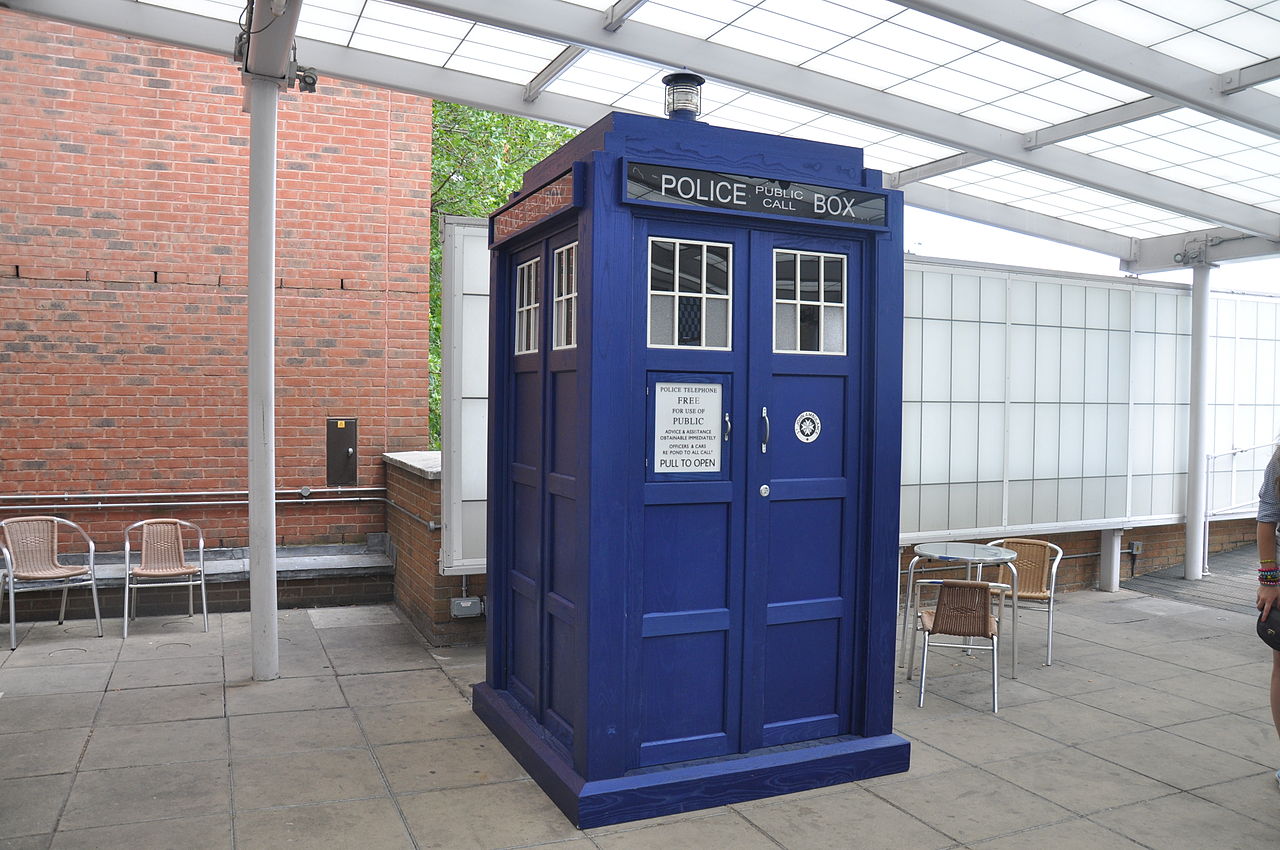
Doctor Who is a long-running British science fiction television series produced by the BBC. The central figure is an alien traveller known simply as the Doctor, a member of a species from the planet Gallifrey who explores time and space in a ship called the TARDIS (Time And Relative Dimension In Space). Although outwardly appearing as an old blue police box, the TARDIS is dimensionally transcendental — much larger on the inside — and serves as the Doctor's vehicle for adventures across eras and worlds. The Doctor is usually accompanied by human or alien companions who share and shape many of the show's stories.
Image gallery
10 Images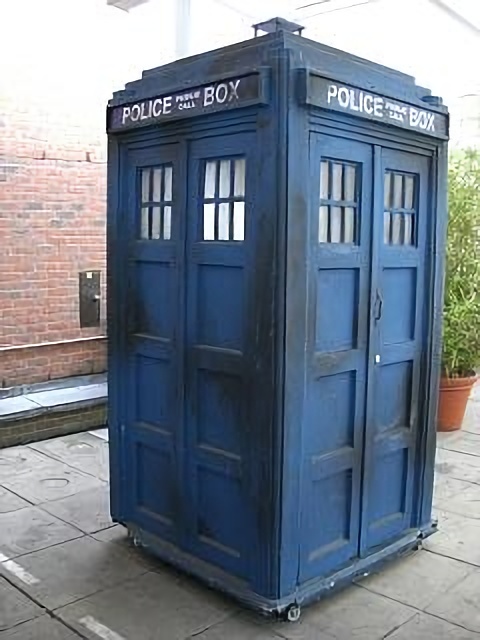




Key characteristics and recurring elements
The programme is built around several distinctive ideas: the Doctor's ability to regenerate into a new body after lethal injury, a device known as the sonic screwdriver, and a rotating ensemble of companions. Recurring adversaries and concepts include the ruthless Daleks, the cybernetic Cybermen, time travel paradoxes, and moral dilemmas about intervention. The series mixes historical drama, space opera, mystery, horror and comedy, allowing considerable tonal variety from one story to the next. Production styles have ranged from multi-episode serials to single-episode adventures, reflecting changing television formats.
History and development
Doctor Who premiered in 1963 and established itself as a fixture of British popular culture. The show's original run continued until 1989. Two feature films produced in the 1960s starred Peter Cushing in versions of the Doctor that were separate from the television continuity. A television movie in 1996 introduced Paul McGann as the Doctor for an international audience, bridging generations of viewers. In 2005 the series returned in a modernized form and reached new global audiences; since the revival it has been shepherded by a succession of showrunners who updated tone, effects and storytelling while retaining core concepts such as regeneration.
Spin-offs, formats and related media
Beyond television episodes, Doctor Who has inspired novels, comic strips, audio dramas, stage productions, toys and fan works. Official spin-offs have explored other corners of the franchise, including adult‑oriented and family‑oriented series. Fans and creators have produced a vast array of licensed and fan-made material for decades, keeping the continuity and mythos fresh and diverse. The show has also been released on home video and streaming platforms, broadening its accessibility.
Significance and cultural influence
Doctor Who is often cited as the world's longest-running science fiction television series and is considered a cultural institution in the United Kingdom and beyond. It has affected television storytelling by demonstrating how a single concept can renew itself through recasting (regeneration) and shifting creative teams. The programme has generated a large, active fandom that organizes conventions, creates art and runs online communities. Its motifs — the TARDIS, the sonic screwdriver, catchphrases and iconic villains — have entered popular culture and are frequently referenced in other media.
Notable elements and distinctions
- TARDIS: the Doctor's time‑machine and home, famously larger inside than out.
- Regeneration: a narrative device that allows the Doctor to change appearance and personality.
- Companions: characters who travel with the Doctor, providing human perspective and emotional grounding.
- Villains and monsters: including the Daleks and Cybermen, which recur across decades of stories.
- Multiple formats: episodes, serials, films and audio dramas showcase different storytelling approaches.
The series balances ongoing continuity with episodic storytelling, enabling both long-term arcs and stand-alone adventures. For readers seeking more detail on production history, episode guides or cast lists, consult official BBC resources and comprehensive fan archives: genre entries, discussions of the Doctor's species, and general histories of the time‑travelling narratives are widely available. For a deeper look at legacy and performers, see materials about Peter Cushing and the TV movie era with Paul McGann.
Doctor Who remains a living franchise that continues to evolve. New actors, writers and producers bring fresh perspectives while the show's central ideas — curiosity, compassion and the ethical use of power — continue to resonate with successive generations of viewers.
Questions and answers
Q: What is Doctor Who?
A: Doctor Who is a BBC science fiction television series about an alien time-traveller known as "the Doctor".
Q: How does the Doctor travel through space and time?
A: The Doctor travels through space and time in her space-time ship, the TARDIS (Time and Relative Dimension in Space).
Q: When did the television series first air?
A: The television series ran from 1963 to 1989 and started running again in 2005.
Q: Were there any movies made about Doctor Who?
A: Yes, there were two Doctor Who movies made in the 1960s starring Peter Cushing as the Doctor. In 1996, there was also a television movie starring Paul McGann.
Q: Are there other versions of Doctor Who available besides TV shows and movies?
A: Yes, there are many other versions of Doctor Who available including books, comics, games, other shows, music videos, remixes, fan fiction, documentaries, news articles in magazines, toys, cosplay decorations on the internet radios DVDs Blu-ray discs and other forms of entertainment.
Q: Is it the longest running science fiction show ever?
A: Yes it is! It is currently the longest running science fiction television series in the world.
Related articles
Author
AlegsaOnline.com Doctor Who: overview, history, characters and cultural impact Leandro Alegsa
URL: https://en.alegsaonline.com/art/28133
Sources
- bbc.co.uk : "BBC - Doctor Who - Graeme Harper Interview"
- doctorwho.tv : "Yasmin Khan | Explore"
- doctorwho.tv : "Ryan Sinclair | Explore"
- doctorwho.tv : "Graham O'Brien | Explore"
- telegraph.co.uk : "Doctor Who: Jodie Whittaker is to replace Peter Capaldi in the Time Lord regeneration game"
- news.cnet.com : "Peter Capaldi is new 'Doctor Who' star"
- sfx.co.uk : "Interview: Russell T Davies Talks About THAT Sarah Jane Adventures Line"
- doctorwho.tv : "Steven Moffat on 'Doctor numbers' and the regeneration limit"
- sfx.co.uk : sfx.co.uk/
- guardian.co.uk : "Doctor Who is now immortal, reveals the BBC"