
Division of Parramatta — Australian federal electorate
A federal electoral division in western Sydney created for the first Australian parliament in 1901; covers Parramatta and surrounding suburbs and is notable as a marginal, politically competitive seat.
Overview
The Division of Parramatta is a federal electoral district in New South Wales that returns a member to the House of Representatives. It is one of the original electorates established at the time of federation; the division was created in 1900 for the first Commonwealth election held in 1901. The seat lies in the western suburbs of Sydney and takes its name from the settlement and river precinct centred on Parramatta.
Image gallery
10 Images


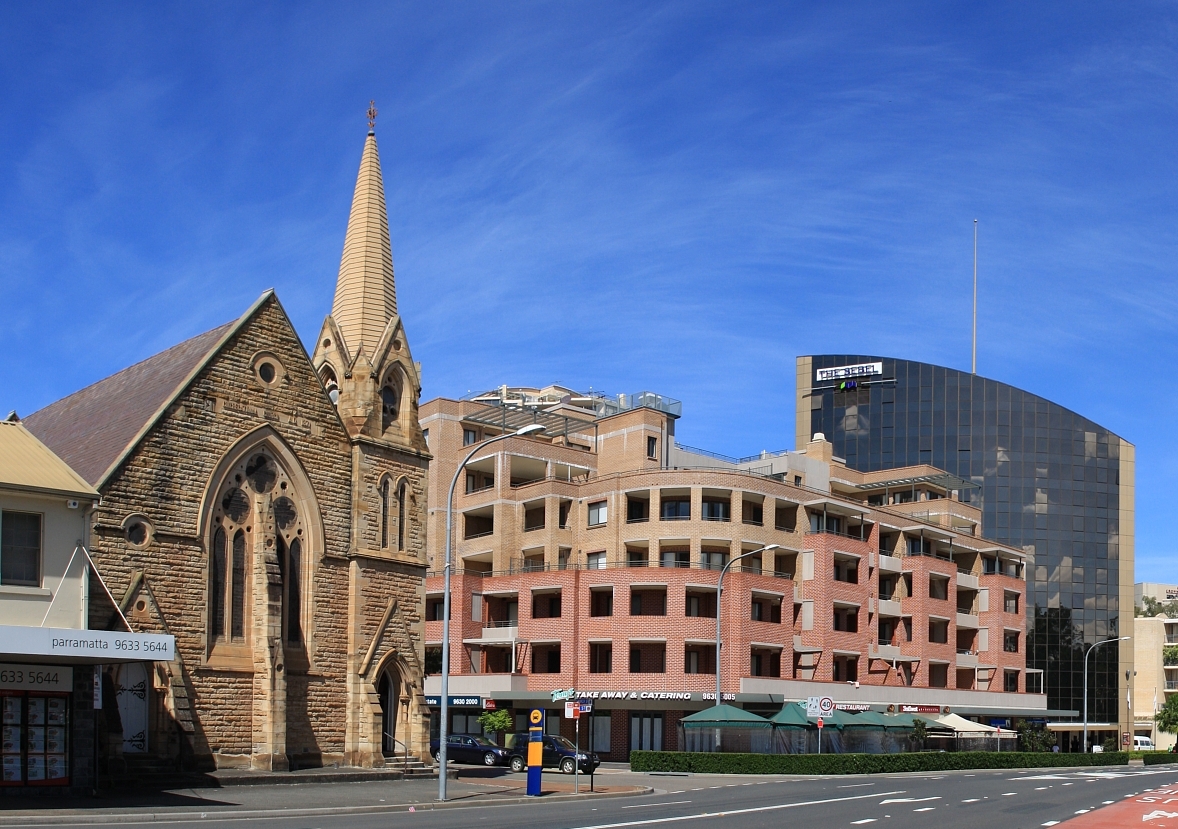


Boundaries and suburbs
Parramatta covers an inner-west and greater-west suburban area with a diverse mix of residential, commercial and light-industrial precincts. Its precise limits are determined by periodic redistributions, which adjust federal boundaries to reflect population change. The electorate includes, wholly or partly, many suburbs and localities such as:
- Constitution Hill
- Dundas Valley, Dundas (parts)
- Granville, South Granville
- Harris Park, Parramatta, North Parramatta
- Holroyd, Mays Hill, Oatlands
- Old Toongabbie, Rosehill, Rydalmere
- Telopea, Wentworthville, Westmead
- Portions of Ermington, Guildford, Merrylands and North Rocks
History and name
The division is named for the historic locality of Parramatta, a place with long Indigenous and colonial associations. The placename is derived from an Aboriginal word commonly rendered as meaning "the place where the eels lie down," reflecting the riverine environment that sustained local peoples for millennia. As one of the original federal electorates it has been contested at every national election since the first in 1901 and has evolved in area and composition as Sydney has grown.
Political profile
Parramatta occupies a transitional political zone between the traditionally Labor-leaning districts of western Sydney and the more conservative electorates on Sydney's North Shore. Because of this, it is often described as a marginal or bellwether seat: small changes in boundaries, demographic shifts, or swings in public opinion can alter its party balance. Redistributions carried out by the Australian Electoral Commission have, at times, materially affected the division's electoral complexion. For example, a redistribution in the 2000s shifted the seat's notional margin, although the sitting candidate at that time retained the electorate in the subsequent poll.
Significance and contemporary context
As a populous, diverse electorate in metropolitan Sydney, Parramatta is significant for federal politics, urban policy and multicultural representation. Its suburbs include major transport links, commercial centres and health and education precincts that can shape campaign issues and local priorities. Political parties pay close attention to the division because it can reflect broader voting patterns in outer metropolitan Australia. Voters and analysts commonly consult official resources for boundary details and voting statistics, including the Australian Electoral Division listings and state information from New South Wales authorities. The seat's demographic mix and changing borders make it an instructive example of how redistributions and urban growth interact with representative democracy.
Related notes
Material about Parramatta's Indigenous place-name origins and local history is often referenced in educational and cultural sources; see Aboriginal language resources for deeper context. For political party context, observers compare voting patterns with broader trends among parties such as Labor and their opponents. Further official information on elections, redistributions and enrolment is available through electoral bodies and archived results for the division at public repositories and civic information services (Aboriginal language and place-name studies may provide additional cultural background).
Questions and answers
Q: What is the Division of Parramatta?
A: The Division of Parramatta is an Australian Electoral Division in New South Wales.
Q: When was the Division of Parramatta created?
A: The Division of Parramatta was created in 1900 for the first federal election in 1901.
Q: What is the significance of the name Parramatta?
A: The name Parramatta is an Aboriginal word for "the place where the eels lie down".
Q: What regions are included in the Division of Parramatta?
A: The Division of Parramatta includes Constitution Hill, Dundas Valley, Granville, Harris Park, Holroyd, Mays Hill, North Parramatta, Oatlands, Old Toongabbie, Parramatta, Rosehill, Rydalmere, Telopea, Wentworthville, Westmead and parts of Dundas, Ermington, Guildford, Merrylands, Merrylands West, Northmead, North Rocks, Pendle Hill, South Granville and South Wentworthville.
Q: Where is the Division of Parramatta located?
A: The Division of Parramatta is located in the western suburbs of Sydney.
Q: What is the political balance like in the Division of Parramatta?
A: The Division of Parramatta lies between Labor voting areas of western Sydney and the Liberal areas on the North Shore, and any change to the boundary can change the political balance in the seat.
Q: Who currently holds the seat for the ALP and what was the outcome of the 2006 boundary change?
A: Julie Owens currently holds the seat for the ALP with an increased majority, even after the 2006 boundary change which shifted Parramatta from marginally Labor to marginally Liberal (as defined by the Australian Electoral Commission).
Related articles
Author
AlegsaOnline.com Division of Parramatta — Australian federal electorate Leandro Alegsa
URL: https://en.alegsaonline.com/art/27955
Sources
- abc.net.au : "Parramatta - 2010 Federal Election - ABC News (Australian Broadcasting Corporation)"
- psephos.adam-carr.net : "Division of Parramatta"
- aec.gov.au : Division of Parramatta - Australian Electoral Commission