
Dinghy sailing: small-boat sailing, techniques, and uses
An overview of dinghy sailing: small, usually open boats using centreboards or keels, crew weight for balance, common techniques, classes, safety, training and recreational and racing roles.
Overview
Dinghy sailing describes the handling and operation of small sailing boats that are usually light, responsive and intended for short trips, training or racing. These boats commonly rely on a centreboard, daggerboard or a small fixed keel for lateral resistance and use the crew’s position and movement to maintain stability. Because dinghies give quick feedback to helm and crew, they are widely used to teach basic sailing skills and to develop high-performance boat handling.
Image gallery
9 Images




Typical characteristics and components
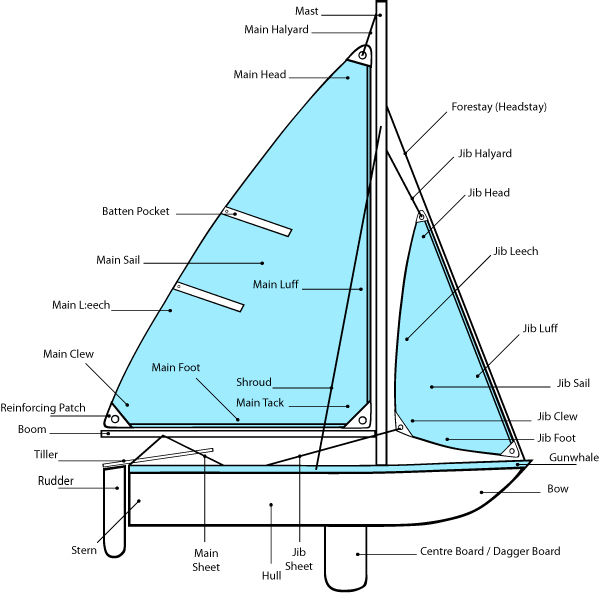
Most dinghies have a simple rig such as a single mainsail or a sloop rig with a mainsail and jib. Hulls may be open or have a small cockpit and are built of materials ranging from traditional wood to modern plastics and composite materials. Key parts include the hull, mast and spars, sails, centreboard or daggerboard, rudder and control lines. Crew actions — hiking, moving fore and aft, or using a trapeze on some classes — are central to balance and trim.
- Common parts: hull, mast, boom, sails, centreboard or keel, rudder, sheets.
- Stability methods: crew weight, hull form and in some boats a small fixed keel.
- Sailing modes: displacement, semi‑displacement and planing when conditions allow.
Techniques and seamanship
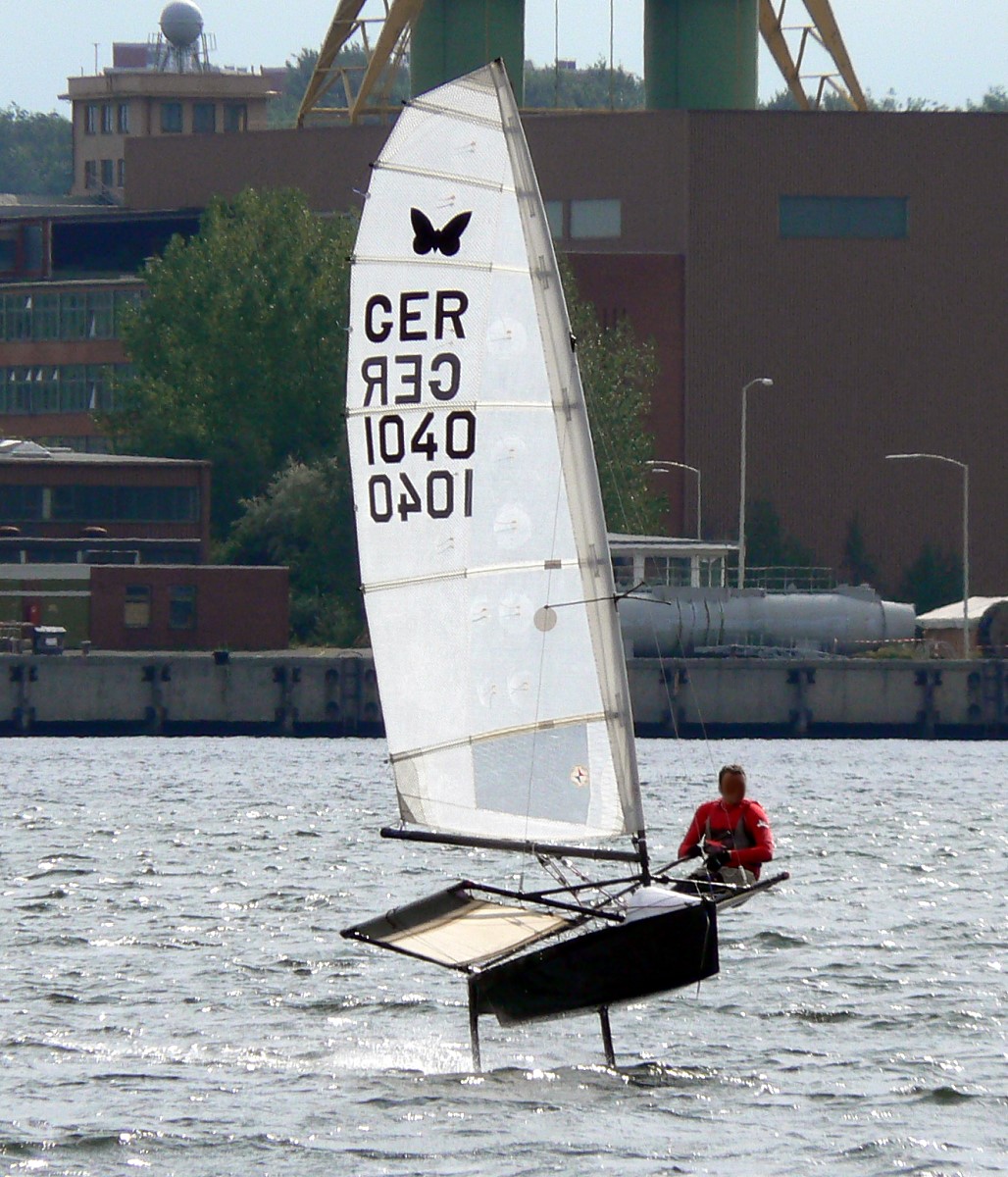
Dinghy sailors learn sail trim, effective steering, weight distribution and how to react to gusts and waves. Many dinghies can plane, where the hull rises and skims the water surface, producing higher speeds; achieving and controlling planing requires coordinated steering and sail trim. Standard taught skills include capsize prevention and recovery, reefing or reducing sail in strong winds, towing and basic rules of the road for racing and cruising in crowded waters.
Classes, uses and pathways
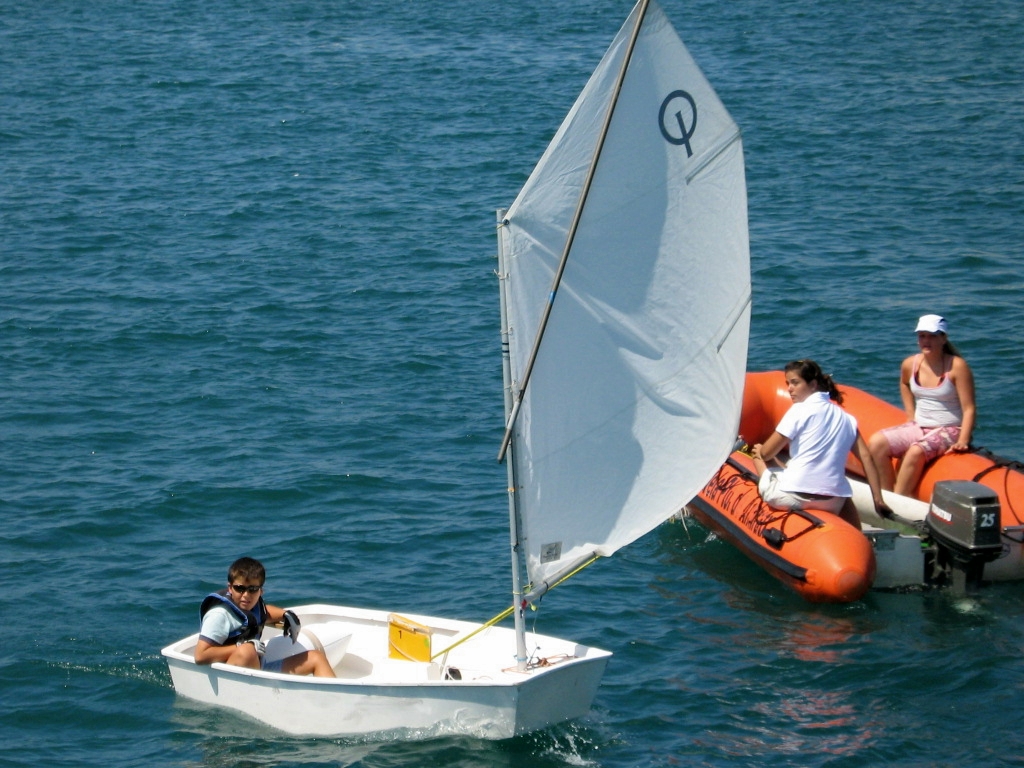
Dinghies serve as training boats for beginners, youth development craft and highly tuned racing skiffs. Popular single‑handed and training designs are widely used at clubs and schools as first boats; more advanced classes emphasize speed and athletic crew work. For many sailors dinghies are a stepping stone to larger yachts and keelboats, while for others they remain the primary craft for competitive and recreational sailing.
Racing formats and community
Racing takes place from club regattas to international events and can be fleet racing, match racing or team formats. Rules emphasise right of way, starting procedures and course rounds; races are often short and tactical, making dinghy racing an intense learning ground for boat handling, rules knowledge and teamwork.
Safety and equipment
Safety in dinghy sailing focuses on wearing buoyancy aids, understanding local weather and water conditions, learning capsize recovery and carrying essential equipment such as tow lines and a bailer or pump. Clubs provide instruction in launching, landing and emergency procedures; good seamanship and conservative decision making reduce risk on inland and coastal waters.
Further reading and resources
For an introduction and practical guidance consult general overviews on dinghy sailing, technical notes on removable boards and how they work at centreboards, comparisons with fixed keels, and material on crew techniques and teamwork at crew resources. Club programs and certified instructors are recommended for safe, progressive learning.
Related articles
Author
AlegsaOnline.com Dinghy sailing: small-boat sailing, techniques, and uses Leandro Alegsa
URL: https://en.alegsaonline.com/art/27482
Sources
- rya.org.uk : "Get afloat | Getting Afloat | RYA - Royal Yachting Association"
- liverpoolmuseums.org.uk : "Model of Royal Yacht Mary" · web.archive.org
- dlharbour.ie : "History of the Water Wags"
- waterwag.org : "Waterwag.org"