
Dina bint Abdul-Hamid — Queen Consort of Jordan (1955–1957)
Dina bint Abdul-Hamid (1929–2019) was queen consort of Jordan as the first wife of King Hussein from 1955 until their divorce in 1957. Their separation was attributed to personal and political differences.
Dina bint Abdul-Hamid (15 December 1929 – 21 August 2019) was the queen consort of Jordan for a brief period in the mid‑1950s. She became a public figure upon her marriage and is remembered for the short, high‑profile marriage to Hussein of Jordan. Her tenure as Queen of Jordan lasted from their wedding on 18 April 1955 until their separation and formal divorce on 24 June 1957.
Image gallery
1 Image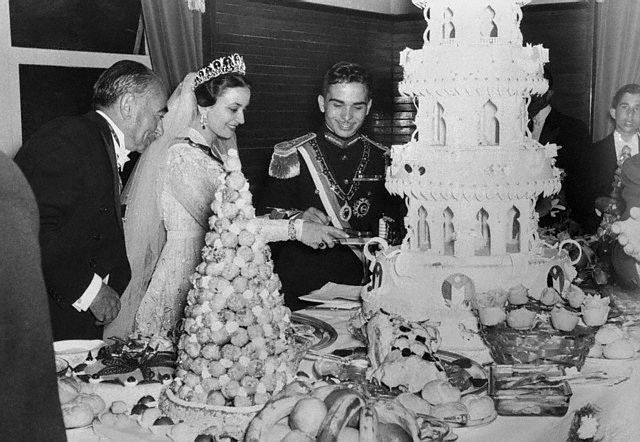
Overview and role
Dina assumed the position of queen at a sensitive moment in Jordan’s modern history. As queen consort she performed the ceremonial and representational duties expected of a royal spouse, appearing at official events and accompanying the monarch, the king, on various public occasions. Her time as consort was short, and she did not establish long‑term institutions or patronages that are commonly associated with longer reigns.
Marriage and separation
The union between Dina and King Hussein attracted attention at home and abroad. The marriage ended after a little more than two years. Public accounts and contemporary reports indicate that the couple cited personal incompatibility and political differences as reasons for their separation. Dina herself later stated that she did not love the king, a factor that contributed to the decision to divorce.
Later life and death
Following the divorce, Dina lived largely outside the spotlight. She did not resume a public royal role in Jordan after their separation and led a more private life in the decades that followed. Dina died on 21 August 2019. Her passing was noted in Jordan and by observers of the region for closing the chapter on an early and much‑discussed episode of the Hashemite royal family.
Key facts
- Born: 15 December 1929.
- Married King Hussein on 18 April 1955.
- Marriage ended by divorce on 24 June 1957.
- Died: 21 August 2019.
Dina bint Abdul‑Hamid remains a historically notable figure principally because she was the first wife and one of the earliest consorts of King Hussein during his long and consequential reign. Her brief role highlights the personal and political challenges that can affect modern monarchies and has been the subject of both contemporary commentary and later retrospectives on Jordan’s royal family history.
Related articles
Author
AlegsaOnline.com Dina bint Abdul-Hamid — Queen Consort of Jordan (1955–1957) Leandro Alegsa
URL: https://en.alegsaonline.com/art/27467
Sources
- kinghussein.gov.jo : Family tree on website of King Hussein of Jordan
- egy.com : "Queen Dina"
- en.royanews.tv : RHC mourns passing away of Princess Dina bint Abdul-Hamid