
Dilwale Dulhania Le Jayenge (1995 film)
1995 Indian romantic drama directed by Aditya Chopra, starring Shah Rukh Khan and Kajol; a landmark Bollywood film noted for its music, diaspora themes and an unprecedented theatrical run.
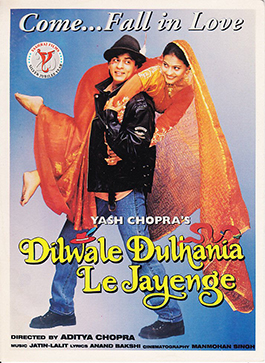
Dilwale Dulhania Le Jayenge (often abbreviated DDLJ) is a 1995 Indian romantic drama film that became one of the most influential works in contemporary Hindi cinema. Written and directed by Aditya Chopra in his feature debut and produced under the banner of Yash Raj Films, the picture combined a love story with family drama and the dilemmas of the Indian diaspora. Released during the Diwali season of 1995, it introduced a mix of traditional and modern sensibilities that resonated with audiences in India and abroad.
Image gallery
5 Images


Plot and principal elements
The narrative follows two young non-resident Indians whose feelings for each other must be reconciled with family expectations and arranged marriage traditions. The film emphasizes courtship, family consent, and the tension between personal choice and cultural duties. Music, scenic European and Indian locations, and moments of family humor balance the romantic arc.
Cast and crew
- Leads: Shah Rukh Khan and Kajol, whose onscreen chemistry became a defining element of the film's appeal.
- Supporting actors: Notable cast members include Anupam Kher, Amrish Puri and Farida Jalal in key family roles.
- Music and lyrics: Songs were composed by the duo Jatin–Lalit with lyrics by Anand Bakshi; several tracks such as "Tujhe Dekha To" and "Mehndi Laga Ke Rakhna" became enduring popular numbers.
- Production: The film was produced by the established filmmaker Yash Chopra and marked a significant commercial success for the studio.
Historical context and reception
DDLJ arrived at a moment when global migration and a growing overseas audience were changing the Hindi film market. Critics and viewers praised its blend of sentiment, music, and modern romantic themes presented within a framework of family values. It earned strong box-office returns and widespread cultural recognition, and it collected several industry awards, including honors at prominent Indian film award ceremonies.
Legacy and cultural impact
The film is widely cited as a milestone in mainstream Indian cinema. It helped consolidate the star status of its leads and popularized tropes—such as the triumphant, family-approved union—that influenced later romantic comedies and dramas. DDLJ is also famous for its exceptionally long theatrical run at Mumbai's Maratha Mandir cinema, where it continued to be screened for decades, becoming a symbol of popular endurance. Its influence is visible in later works that borrow themes, narrative beats, or visual homages; for example, some contemporary romantic films have acknowledged DDLJ as an inspiration, and filmmakers have referenced its songs and scenes in new contexts.
Notable facts and distinctions
- The film launched Aditya Chopra's directing career and reinforced the Yash Raj Films identity in the 1990s cinematic landscape.
- Its soundtrack remains widely recognized; individual songs continue to be performed at public events and celebrations.
- DDLJ has been the subject of academic and popular discussion about representation of the Indian diaspora, modernity versus tradition, and the changing nature of romance in Hindi cinema.
- In popular culture, the film is often referenced simply by its initials and has inspired later works, including films that pay tribute to its themes and structure, such as some contemporary romantic comedies.
Today DDLJ is remembered not only as a commercial triumph but as a cultural touchstone that helped define the romantic idiom of late-20th-century Bollywood. For further reading on its production, music and continuing cultural presence see dedicated film histories and retrospectives from major Indian cinema archives and publications.
Learn more about the director • Studio and production • Related contemporary films • Soundtrack details
Questions and answers
Q: Who directed the Bollywood movie Dilwale Dulhania Le Jayenge?
A: Dilwale Dulhania Le Jayenge was directed by Aditya Chopra.
Q: Who produced the movie Dilwale Dulhania Le Jayenge?
A: The movie Dilwale Dulhania Le Jayenge was produced by Yash Chopra.
Q: Who starred in the title roles of Dilwale Dulhania Le Jayenge?
A: Shahrukh Khan and Kajol starred in the title roles of Dilwale Dulhania Le Jayenge.
Q: Who were the supporting actors in the movie Dilwale Dulhania Le Jayenge?
A: Anupam Kher, Amrish Puri, and Farida Jalal played supporting roles in the movie Dilwale Dulhania Le Jayenge.
Q: When was the movie Dilwale Dulhania Le Jayenge released?
A: The movie Dilwale Dulhania Le Jayenge was released on Diwali in 1995.
Q: What is the significance of Maratha Mandir theatre in Mumbai in relation to Dilwale Dulhania Le Jayenge?
A: The Maratha Mandir theatre in Mumbai has been showing the movie Dilwale Dulhania Le Jayenge for 25 years making it the longest time the movie has been screened.
Q: Was there a movie based on Dilwale Dulhania Le Jayenge released later?
A: Yes, a movie called Humpty Sharma Ki Dulhania, which was based on Dilwale Dulhania Le Jayenge, was released in 2014.
Related articles
Author
AlegsaOnline.com Dilwale Dulhania Le Jayenge (1995 film) Leandro Alegsa
URL: https://en.alegsaonline.com/art/27445
Sources
- boxofficeindia.com : "All Time Earners"
- 1001beforeyoudie.com : "1001series"