
Yash Chopra
Yash Chopra (1932–2012) was an influential Indian filmmaker, screenwriter and producer, founder of Yash Raj Films, celebrated for shaping modern Bollywood romance and for a string of popular, enduring films.
Yash Chopra (27 September 1932 – 21 October 2012) was a prominent Indian film director, screenwriter and producer whose career spanned several decades of Hindi cinema. He is widely credited with popularizing a lyrical, emotionally rich style of romantic drama and for building one of the industry's leading production companies. In addition to his work as a director he played a major role behind the scenes as a studio head and mentor.
Image gallery
7 Images


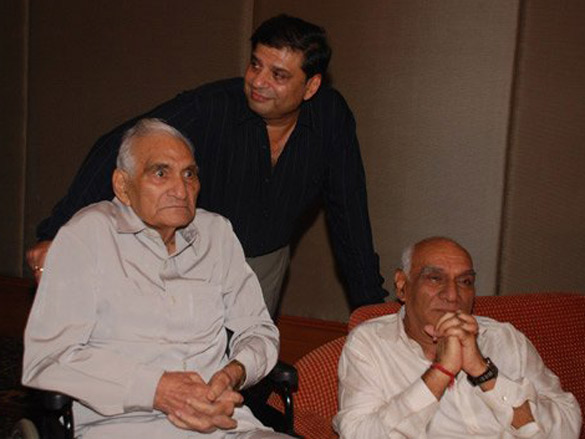


Career and roles
Chopra began his film career in the mid‑20th century and later established Yash Raj Films, which became a major force in Bollywood. He worked in multiple creative roles: as a director and filmmaker, a screenwriter shaping narrative and dialogue, and as a commercial producer overseeing financing and distribution. His company helped produce, distribute and promote many influential pictures and nurtured new talent.
Significant films
Chopra directed and produced a range of successful films that combined melodrama, music and scenic visuals. Notable titles often associated with his name include:
- Waqt
- Deewaar
- Kabhi Kabhie
- Silsila
- Lamhe
- Chandni
- Darr
- Dil To Pagal Hai
- Veer‑Zaara
These films are remembered for their memorable songs, star performances and often picturesque settings. Several combined traditional family drama with modern romantic sensibilities, leaving a lasting imprint on popular taste.
Style, themes and legacy
Chopra's directorial approach emphasized strong emotional arcs, romantic idealism and music as an integral storytelling device. His productions often featured elaborate song sequences and scenic locations that helped define the visual language of romantic Bollywood cinema. As the founder of Yash Raj Films, he influenced production practices, distribution networks and the careers of many actors and filmmakers. His work continues to be studied and celebrated for shaping the mainstream Hindi film industry's tone and commercial model.
While he passed away in 2012, Yash Chopra's films remain part of the cinematic canon in India and internationally among audiences who follow classic and contemporary Bollywood. His combination of commercial success and artistic sensibility makes him a central figure in the history of modern Indian cinema.
Questions and answers
Q: Who was Yash Raj Chopra?
A: Yash Raj Chopra was an Indian filmmaker, screenwriter, and a highly successful Bollywood producer.
Q: When was he born and when did he pass away?
A: He was born on 27 September 1932 and passed away on 21 October 2012.
Q: What are some of his successful movies?
A: Some of his successful movies are Waqt, Deewaar, Kabhi Kabhie, Silsila, Lamhe, Chandni, Darr, Dil To Pagal Hai, and Veer-Zaara.
Q: What is the name of the film production company founded by him?
A: The name of the film production company founded by him is Yash Raj Films.
Q: How long did Yash Raj Chopra work in the film industry?
A: Yash Raj Chopra worked in the film industry for over 50 years until his death in 2012.
Q: Did he ever win any awards for his films?
A: Yes, he won several awards including 8 Filmfare Awards for Best Director and 4 National Film Awards for Best Popular Film Providing Wholesome Entertainment.
Q: Was Yash Raj Chopra only involved with Bollywood films? A: Yes, he mainly produced Bollywood films but also directed one Hollywood movie titled "Muhafiz".
Author
AlegsaOnline.com Yash Chopra Leandro Alegsa
URL: https://en.alegsaonline.com/art/133144