
Dickinson County, Michigan
County in Michigan's Upper Peninsula, Dickinson County includes Iron Mountain, Norway, and rural forested areas. Its history reflects iron mining, timber, and later diversification.
Dickinson County is a county in the Upper Peninsula of the U.S. state of Michigan. In the 2010 census, it had a population of 26,168, and its county seat is Iron Mountain. The county lies near the Wisconsin border and combines small cities, forested land, rivers, and upland terrain that reflect the broader character of the region.
Image gallery
4 Images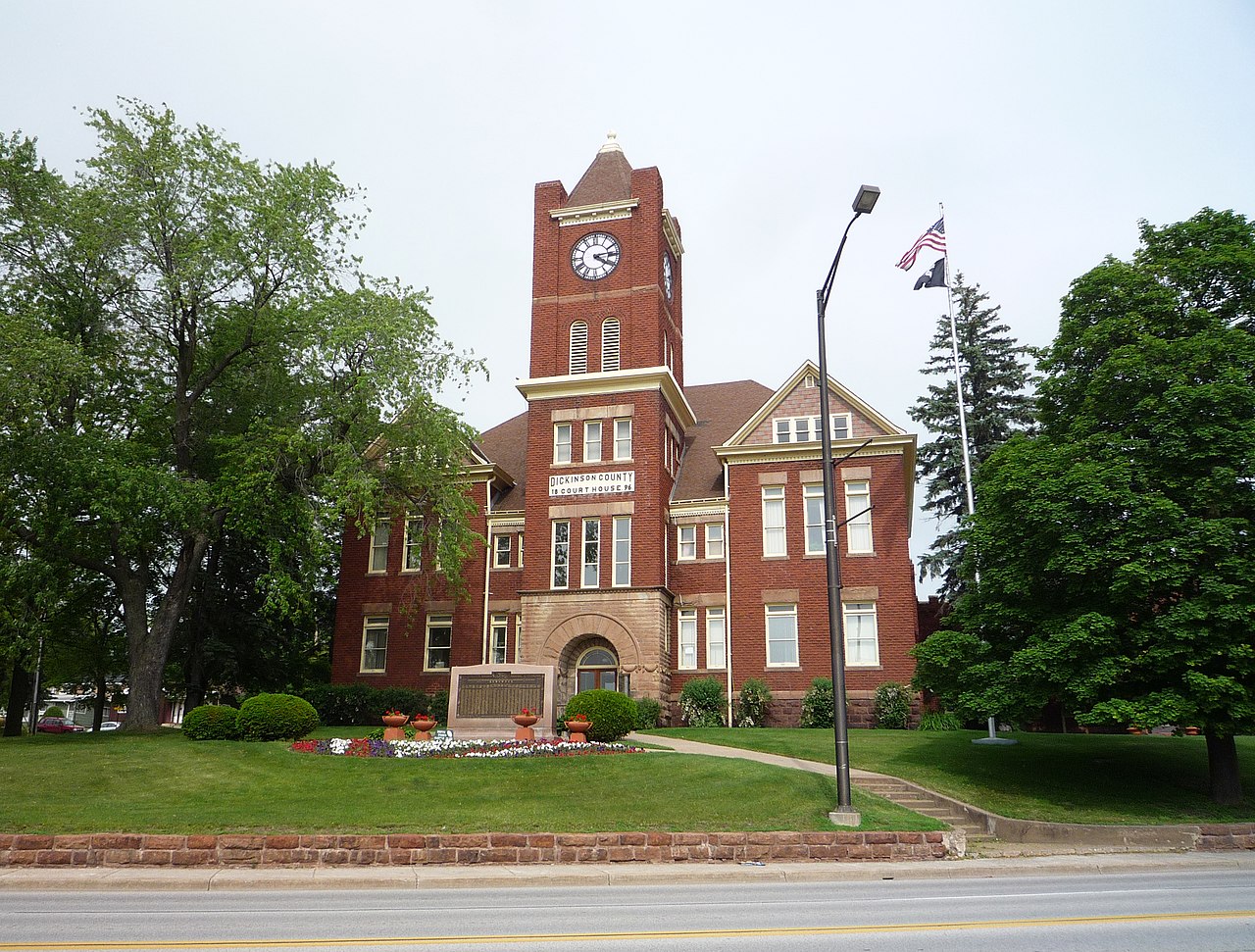


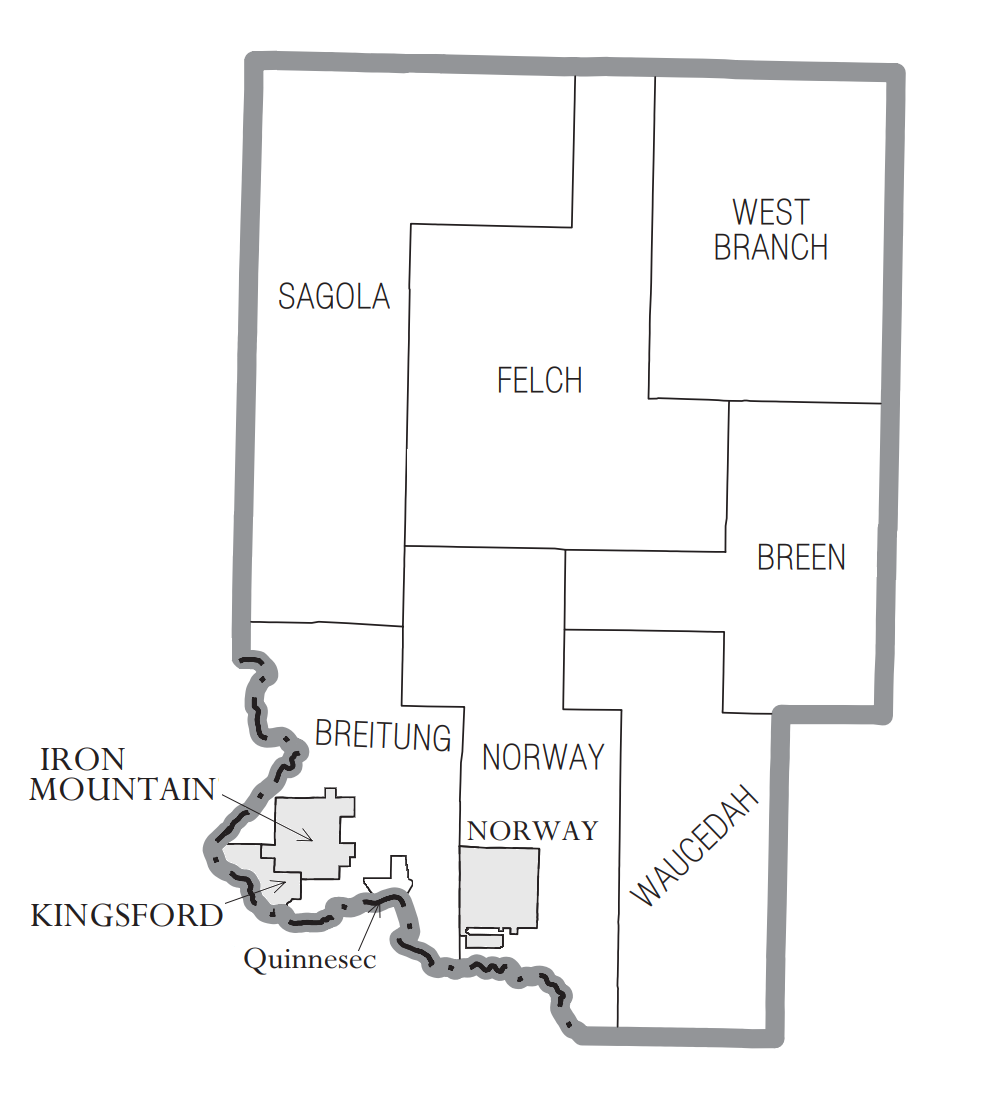
Geography and communities
As part of the northern Great Lakes landscape, Dickinson County is shaped by forest, lakes, and the Menominee River system. Its communities include Iron Mountain, Kingsford, and Norway, along with townships and rural areas. The county's setting supports both local industry and outdoor recreation, and its road and rail connections have long linked it to nearby Wisconsin markets.
History and development
The county was organized in 1891 during a period of rapid growth in Michigan's Upper Peninsula. Like many counties in the area, it developed around iron mining, timber, and the arrival of rail transportation. The county's name is commonly associated with Don M. Dickinson, a Michigan political figure of the era. As mining patterns changed, the local economy became more diverse, but the county retained its strong regional identity.
Economy and life today
Modern Dickinson County is associated with manufacturing, services, forestry, and tourism. Outdoor activities such as fishing, hunting, snow sports, and hiking are important in all seasons. Local landmarks and events also help define the area, including county-level government services and institutions that support schools, roads, public safety, and planning for residents and visitors alike.
Notable features
- Regional role: A connection point between Michigan's Upper Peninsula and northeastern Wisconsin.
- County seat: Iron Mountain, the largest and best-known community in the county.
- Landscape: Forests, waterways, and hills that encourage year-round recreation.
- Heritage: A history tied to iron mining and settlement in the late 19th century.
Dickinson County is a good example of how a small Upper Peninsula county can combine industrial history, natural scenery, and modern local government. Its identity is closely tied to the wider Upper Peninsula and the state of Michigan, while its communities continue to balance tradition, commerce, and recreation.
Related articles
Author
AlegsaOnline.com Dickinson County, Michigan Leandro Alegsa
URL: https://en.alegsaonline.com/art/27220