
Dial-up Internet access
Dial-up is a method of connecting a computer to the Internet over an analogue telephone line using a modem. It delivered modest speeds (up to about 56 kbps) and was widely used before broadband became common.
Overview
Dial-up internet access connects a computer to the Internet over a standard analogue telephone line. A modem (modulator–demodulator) converts digital data into audio tones that can traverse the public switched telephone network and converts incoming tones back to digital form. To begin a session the modem dials a phone number provided by an Internet service provider (ISP) and negotiates a link with an access server operated by that ISP.
Image gallery
4 Images


Key characteristics
Dial-up connections are notable for low data rates, higher latency than modern broadband, and the need to establish a new connection for each use (unless combined with special arrangements). Typical consumer dial-up speeds under ideal conditions reached up to about 56 kilobits per second. Because the connection uses the telephone line, voice calls may be blocked during an active session unless a second line or alternative service is available. The audible handshake tones produced during connection became an iconic sound of early internet use.
Components and protocols
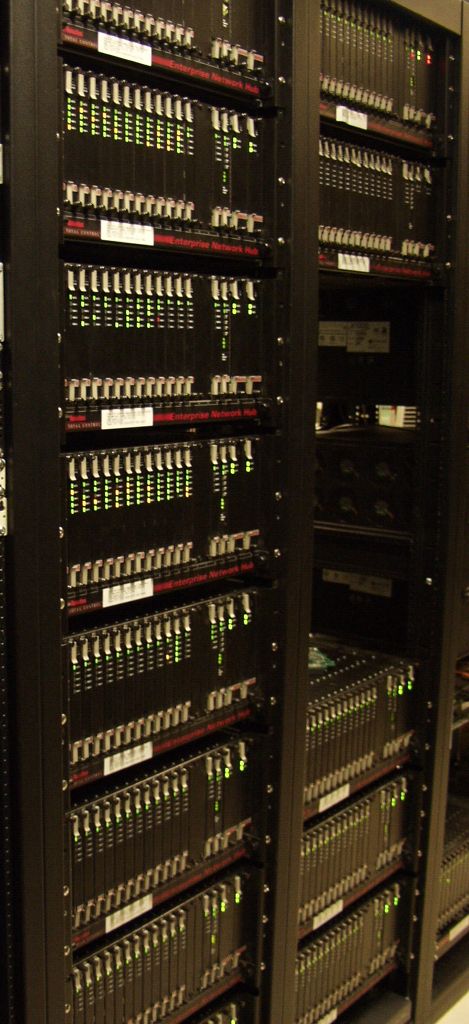
A basic dial-up arrangement requires a computer, a modem and a telephone line supplied by a carrier. The remote endpoint is an access server at the ISP that accepts incoming calls and provides authentication and network access. Common protocols include PPP (Point-to-Point Protocol) for authentication, IP address assignment and negotiation of compression or error correction. Over the years modem standards and firmware improved, adding better data compression, flow control and faster symbol rates.
History and decline
Dial-up was the dominant consumer method of internet access through the 1980s and 1990s because it could leverage existing telephone infrastructure without new wiring. As domestic and business demand for higher bandwidth grew, always-on fixed-line broadband technologies such as DSL and cable modem (cable) emerged and gradually displaced dial-up in urban and suburban areas. From the mid-2000s onward, many households moved to these faster services, leaving dial-up mostly for regions without affordable broadband or as an occasional fallback.
Uses, advantages and limitations
Historically, dial-up’s advantages were its wide availability where telephone service existed and its usually low cost and simple setup. Its limitations are significant: low throughput, slow downloads for modern web content, inability to support streaming video or large file transfers effectively, and frequent disruption of telephone service during sessions. Many online applications and cloud services assume higher bandwidth, making dial-up impractical for contemporary multimedia and collaborative tools.
Persistence and niche roles
Even after widespread broadband adoption, dial-up persisted in some rural, remote or economically constrained areas and in organizations requiring only very light data transfer. It also remained useful for simple tasks such as email, text-based remote access, or as a backup connection where no other network is available. Some specialized systems continued to use dial-up for machine-to-machine dial-in maintenance or legacy point-of-sale terminals.
Cultural and technical legacy
- Dial-up shaped early user expectations about connecting and disconnecting, billing by time or connection, and the role of ISPs in providing email and online services.
- The distinctive connection sounds and the ritual of dialing in are part of internet culture and nostalgia for many early users.
- Technical lessons from dial-up—such as compression, error correction and negotiation protocols—fed into later network design and standards.
Further reading and related topics
For additional context on telephony, networking technology and broadband evolution, see resources on telephone networks, modems, Internet access and service providers (ISPs), and comparisons with DSL and cable modem services. General introductions to the Internet describe how access methods fit into the broader architecture of networks and services.
Related articles
Author
AlegsaOnline.com Dial-up Internet access Leandro Alegsa
URL: https://en.alegsaonline.com/art/27089