
Dependent territory
A dependent territory is a territorially distinct area that is not fully sovereign and remains politically linked to another state. This article explains characteristics, types, history, and key distinctions.
A dependent territory is a territorially distinct unit that lacks full sovereignty and remains politically linked to another, sovereign state. Such territories are governed in whole or in part by an external authority, and they differ from fully independent countries because they do not possess full international legal personality. The term applies to a variety of arrangements: some territories have wide internal self-government while others are directly administered. For general context see territory, and compare the concepts of independence and sovereignty. A dependent territory typically belongs to a parent or metropolitan state, often called a sovereign state, which retains responsibilities such as defense or international representation.
Image gallery
7 Images

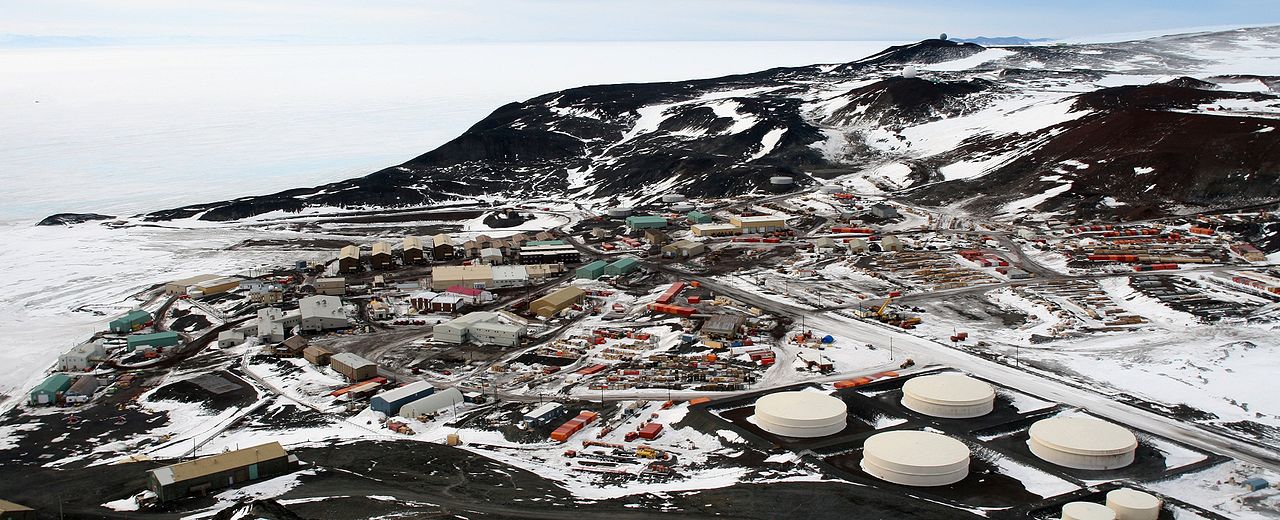


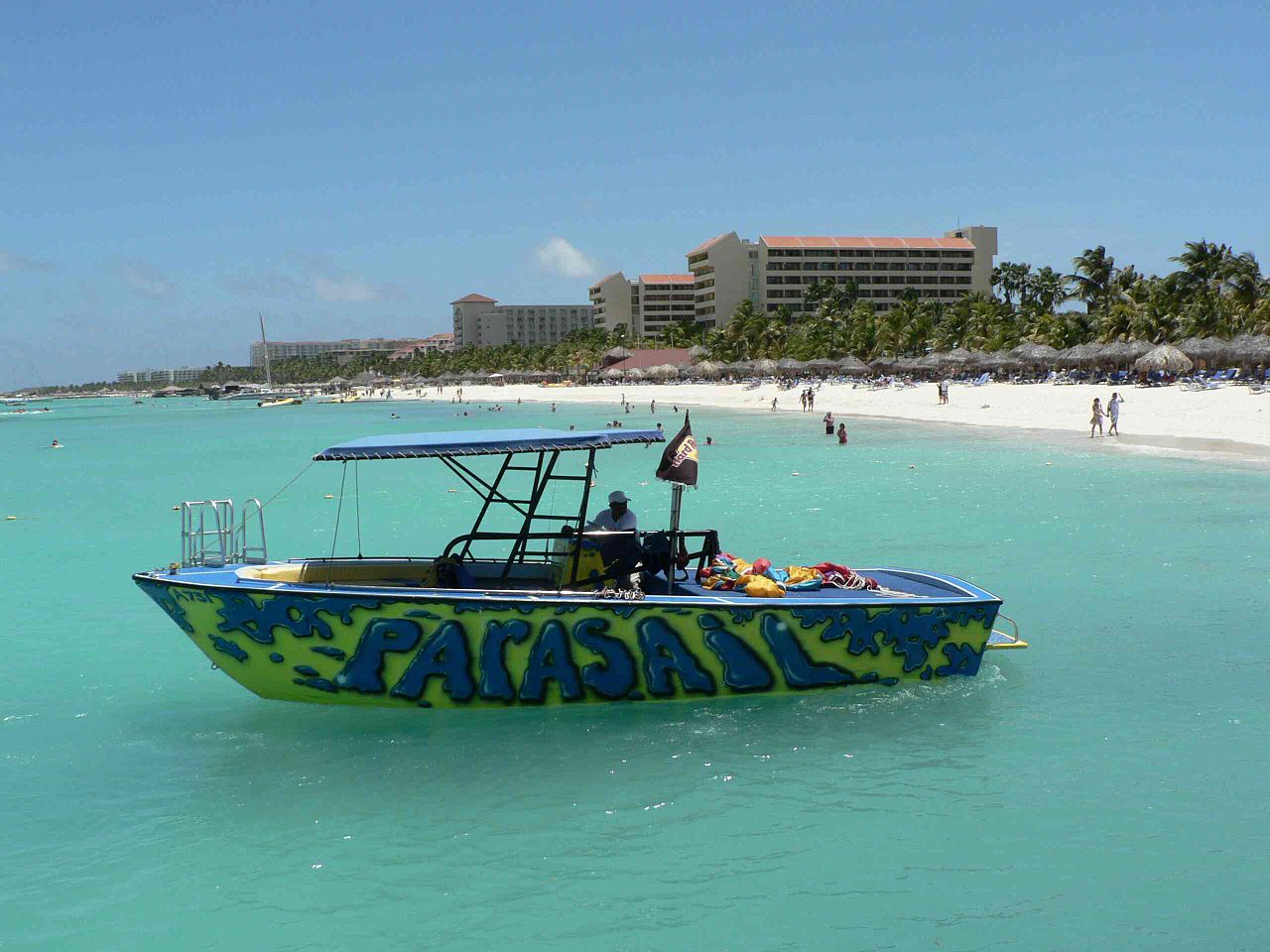

Typical characteristics
Dependent territories are legally separate from the parent state's integral administrative divisions. They commonly exhibit some or all of the following features: local institutions with varying degrees of legislative or executive autonomy, dependence on the parent state for foreign affairs and defense, differences in citizenship or nationality rules, and special fiscal or legal regimes. The level of self-rule can range from extensive home rule to minimal autonomy; this concept of internal autonomy is often described as autonomy in constitutional or administrative terms.
Common types and examples
Different legal arrangements have developed to describe non-sovereign territories. Common categories include crown dependencies, overseas territories, associated states, and special municipalities. Well-known instances illustrate these types: Greenland is an autonomous territory linked to Denmark (Greenland and Denmark), while Saint Helena remains a British Overseas Territory in relation to the United Kingdom (Saint Helena and United Kingdom). Other examples, such as associated states with free-association agreements, display differing degrees of international capacity and self-government.
Historical background and development
Most dependent territories have roots in earlier imperial, colonial or protectorate systems. During the 20th century decolonization produced multiple outcomes: former colonies became independent states, integrated into the parent state, or remained dependent with varying autonomy. International institutions, notably the United Nations, have mechanisms for monitoring non-self-governing territories and encouraging decolonization or self-determination. Over time, reform has produced constitutional changes, negotiated transfers of powers, and in some cases moves toward sovereignty or enhanced association.
Practical implications and common issues
- Legal status: Territories may have their own constitutions, courts, and laws that differ from the parent state.
- Citizenship and rights: Residents may hold citizenship of the parent state or possess special national statuses and passports.
- Economic and fiscal arrangements: Many territories rely on subsidies, aid, or special trade arrangements with the parent country.
- International representation: External relations and defense are often managed by the parent state, limiting direct participation in some international organizations.
Distinctions and notable facts
Dependent territories should be distinguished from subnational units (such as provinces or states), which form part of the parent country’s integral territory; dependent territories remain legally distinct. They are also different from protectorates and occupied territories in both legal basis and customary practice. Modern terminology and classification vary between national laws and international practice, and many arrangements are unique or negotiated case by case. Understanding dependent territories therefore requires attention to constitutional texts, international agreements, and historical context.
Questions and answers
Q: What is a dependent territory?
A: A dependent territory is a territory that belongs to a sovereign state, but is not fully independent or sovereign. It depends on the state to some degree and is legally separate from it, often having greater autonomy than subnational entities.
Q: How are dependent territories distinguished from subnational entities?
A: Dependent territories are typically distinguished from subnational entities in that they are not considered to be part of the state. Subnational entities usually represent divisions of the country proper, while dependent territories have more autonomy than them.
Q: What was most of these dependent territories originally?
A: Most of these dependent territories were originally colonies, which often had no autonomy.
Q: Can you give an example of a dependent territory?
A: An example of a dependent territory would be Greenland, which is a dependent territory of Denmark, or Saint Helena which is a dependent territory of the United Kingdom.
Q: Is there varying degrees and forms of dependence for these territories?
A: Yes, there are varying degrees and forms of such dependence for these territories depending on their relationship with their respective sovereign states.
Q: Are all dependent territories former colonies?
A: No, not all dependant territories were originally colonies as some may have been acquired through other means such as treaties or agreements between nations.
Related articles
Author
AlegsaOnline.com Dependent territory Leandro Alegsa
URL: https://en.alegsaonline.com/art/26693
Sources
- un.org : "Trust and Non-Self-Governing Territories"
- justice.govt.nz : justice.govt.nz
- hpr2.org : "Pacific News Minute: Cook Islands Bid for UN Membership On Hold"
- cia.gov : "Guernsey at the CIA's page"
- cia.gov : "Jersey at the CIA's page"
- cia.gov : "The Isle of Man at the CIA's page"
- doi.gov : "Definitions of Insular Area Political Organizations"