
Defenders of the Faith (Judas Priest album)
Defenders of the Faith is the ninth studio album by British heavy metal band Judas Priest, released in January 1984; noted for its riff-driven songs, mid-80s production and a later parental-advisory controversy.
Overview
Defenders of the Faith is the ninth studio album by the British heavy metal band Judas Priest, released in early January 1984. It follows the commercial breakthrough of their earlier 1980s records and continues the group's emphasis on tight, twin-guitar arrangements, strong choruses and Rob Halford's commanding vocal delivery. The record is commonly regarded as part of the band's classic-era output and reflects the sound and production values of mainstream metal in the mid-1980s.
Image gallery
1 Image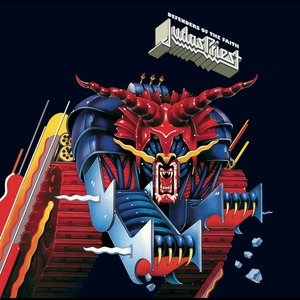
Musical characteristics
The album is built around driving riffs, melodic leads and a clear rhythm section that supports concise, anthemic songwriting. Guitar interplay between the band's two lead guitarists creates layered harmonies and rapid solos typical of their style. Tempos range from mid-paced rockers to faster, more aggressive tracks, and arrangements often favor singalong choruses and prominent rhythmic hooks. Production emphasizes clarity and punch to suit both radio singles and arena performances.
Release, singles and subsequent work
Released on January 4, 1984, the record spawned several singles including "Freewheel Burning", "Some Heads Are Gonna Roll" and "Love Bites". The album sits between two other notable Judas Priest releases from that period and helped sustain the band's popularity through the mid-1980s; the follow-up studio album took the band into a more commercial direction a few years later.
Controversy and cultural impact
One track from the album drew attention from advocacy groups concerned about lyrical content. The song "Eat Me Alive" was listed among songs criticized by the Parents Music Resource Center and featured on their "Filthy Fifteen" list, which targeted material judged objectionable. The attention contributed to public debate over music, explicit lyrics and parental advisories during the 1980s; the band later addressed the criticism with subsequent material that touched on the theme of parental supervision.
Notable facts and legacy
- The album is often cited alongside other early-to-mid 1980s metal releases as representative of the era's sound and stage-oriented anthems.
- It reinforced the band's reputation for powerful live shows and durable songwriting staples that remained in setlists for years.
- Its controversies placed it within broader conversations about censorship, music ratings and artistic expression in popular music.
For listeners exploring the band's catalogue, this album illustrates a balance between heavy, riff-centered metal and the melodic tendencies that made Judas Priest influential to later generations of metal bands.
Related articles
Author
AlegsaOnline.com Defenders of the Faith (Judas Priest album) Leandro Alegsa
URL: https://en.alegsaonline.com/art/26258
Sources
- nndb.com : "The PMRC Filthy Fifteen"