
Decorum: Principle of Appropriateness in Rhetoric, Literature, and Theatre
Decorum is the principle that style, behavior, or form should suit the subject, audience, and situation. It has guided rhetoric, poetry, and stagecraft from antiquity to modern criticism.
Overview
Decorum is the idea that expression—whether spoken, written, or enacted—should be fitting to its circumstances. The word derives from the Latin term reflected in classical usage; see Latin decorus. In its broad sense, decorum governs choices of language, tone, gesture, and costume so that they align with the subject, the speaker's status, and audience expectations.
Image gallery
2 Images
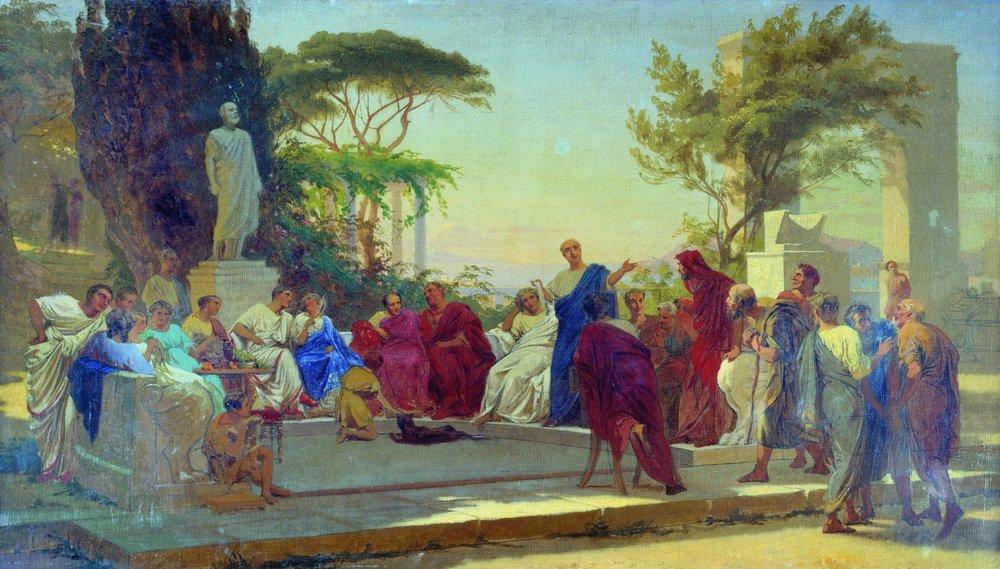
Key characteristics
At its heart, decorum involves proportionality and appropriateness. Important elements include:
- register: matching diction and syntax to topic and audience;
- genre expectations: keeping tragic solemnity separate from comedic levity;
- ethical and social norms: adhering to manners and conventions of a given community;
- scale and form: ensuring style is neither exaggerated nor underplayed for the occasion.
Historical development
Decorum was a core principle in classical rhetoric and in later rhetorical and literary theory. Ancient rhetoricians advised matching delivery to subject and audience. In the Renaissance and Neoclassical periods, decorum became a formal critical standard applied to poetry and drama: rules were proposed about what subjects and styles were proper to particular genres.
Uses and examples
Writers and performers invoke decorum when they adjust language to suit formality, when dramaturges adapt costume to character status, or when translators seek an equivalent tone in another language. A comedic play that inserts a grave moral lecture may be criticized for breaking decorum; similarly, a court speech adopts measured cadence and respectful address to maintain authority.
Distinctive issues and modern relevance
Contemporary critics debate whether strict decorum stifles creativity or whether it remains a useful guide to clarity and audience relation. Some modern art intentionally violates traditional decorum to provoke or comment on social norms. Discussions of decorum therefore often intersect with ethics, cultural change, and questions about power and representation in language and performance. See further readings in poetry and theatre theory.
Related articles
Author
AlegsaOnline.com Decorum: Principle of Appropriateness in Rhetoric, Literature, and Theatre Leandro Alegsa
URL: https://en.alegsaonline.com/art/26195