
Dearly Devoted Dexter — novel by Jeff Lindsay
Second novel in Jeff Lindsay's Dexter series (2005). A darkly comic, first‑person crime thriller about Dexter Morgan, a forensic blood‑spatter analyst who is also a vigilante serial killer.
Overview
Dearly Devoted Dexter is the second novel by Jeff Lindsay featuring Dexter Morgan, a forensic blood‑spatter analyst in Miami who secretly kills people he judges to be guilty of serious crimes. Published in 2005, the book continues the first‑person narrative voice established in Darkly Dreaming Dexter, blending crime procedural detail, psychological observation, and black comedy.
Image gallery
1 Image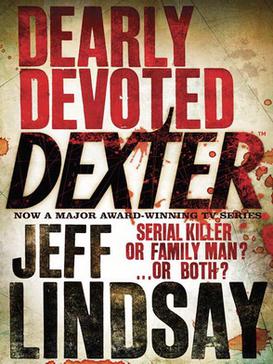
Plot and characters
The novel follows Dexter as he confronts a new serial killer and navigates relationships that threaten the secrecy of his nocturnal life. Key figures include Dexter himself, his sister Debra (a police detective), and a supporting cast drawn from law enforcement and Miami's social scene. The tension comes from Dexter balancing his day job with his private code and the danger posed by those who might discover his true nature.
Themes and style
Lindsay writes in a wry, confessional tone that lets readers inhabit Dexter's moral logic while remaining aware of its distortions. Recurring themes are dual identity, vigilantism, and the border between justice and murder. The prose mixes forensic detail with ironic humor, creating a distinctive voice that made the series notable within modern crime fiction.
Publication, series, and adaptation
Dearly Devoted Dexter is part of a sequence of novels that established the character's popularity and led to a television adaptation. The Showtime series Dexter drew on the characters and premise of the early books but developed original storylines and departed from the novels in several respects. The literary series continued beyond this book, exploring Dexter's life through further installments.
Notable aspects
- First‑person unreliable narrator: readers see events through Dexter's skewed perspective.
- Genre mixing: procedural crime fiction combined with psychological thriller and dark humor.
- Ethical questions: the novels invite debate about punishment, empathy, and the law.
Dearly Devoted Dexter is often read both as an engaging thriller and as a study of a morally ambiguous protagonist whose outward normalcy masks a disturbing private code. Its combination of technical forensic detail and sardonic interior monologue continues to attract readers and viewers interested in crime drama that probes conscience as well as action.
Related articles
Author
AlegsaOnline.com Dearly Devoted Dexter — novel by Jeff Lindsay Leandro Alegsa
URL: https://en.alegsaonline.com/art/26001