
Deadwood, South Dakota
Historic mining town in the Black Hills, known for its Gold Rush-era architecture, legendary frontier figures, and a preserved downtown designated as a National Historic Landmark District.
Overview
Deadwood is a small city in the Black Hills region of South Dakota, United States, and serves as the county seat of Lawrence County. Its Lakota name, Owáyasuta, is often rendered in English as "to approve or confirm things." The town takes its English name from the dead trees that once lay in the gulch where early miners first worked placer deposits. According to the 2010 census, the city had a population of 1,270.
Image gallery
9 Images



History and origins
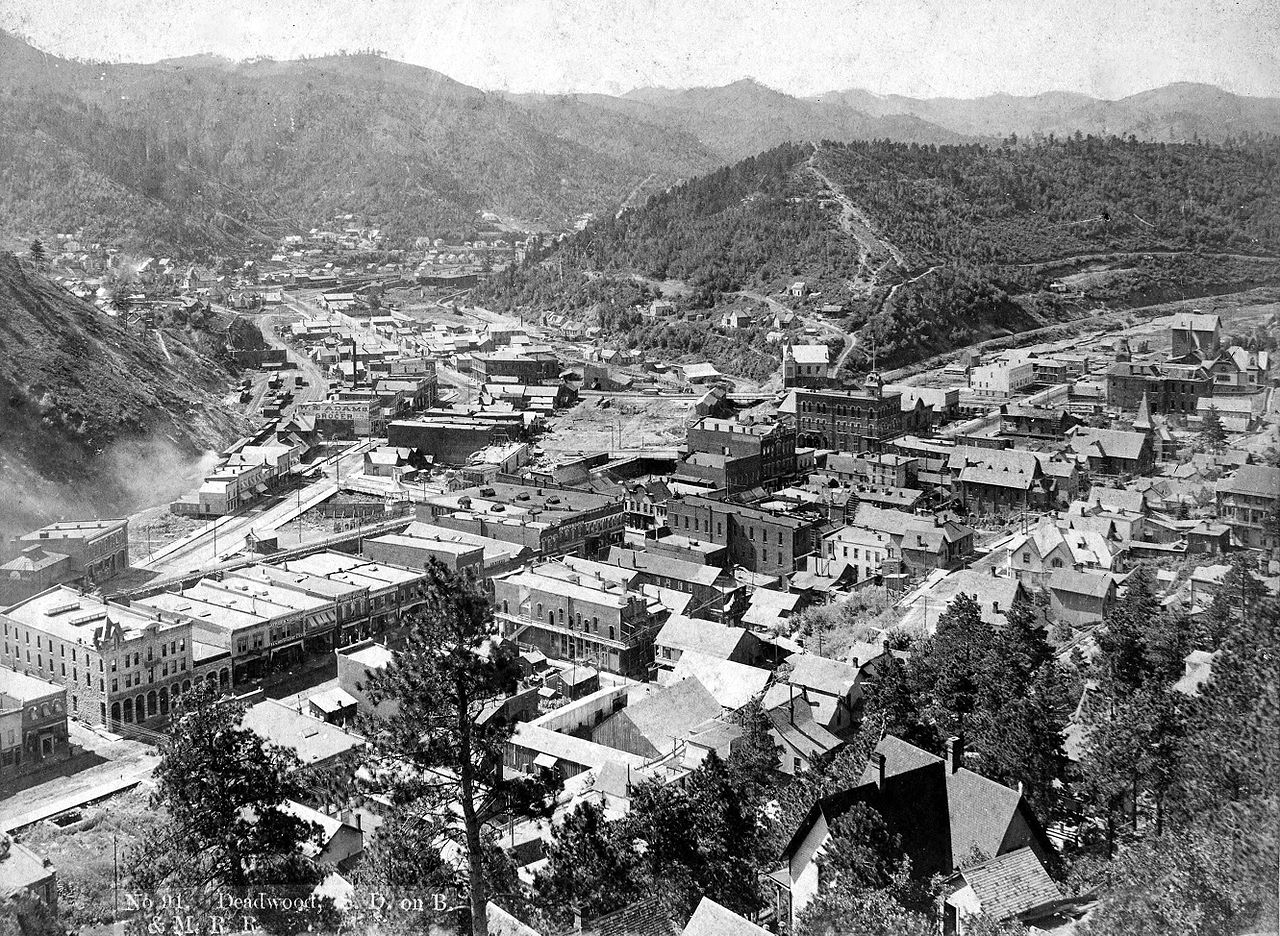
Deadwood grew rapidly during the Black Hills Gold Rush of the 1870s when prospectors and entrepreneurs flocked to the area. Its early years were typical of frontier boomtowns: hastily built structures, rough-and-ready law enforcement, and a lively mix of saloons, gambling halls, and supply merchants. Over time the town developed a distinctive streetscape and civic life as it transitioned from an informal camp into an established community.
Architecture and preservation
The downtown area retains a large number of 19th-century commercial and civic buildings. Because of this concentration of intact period architecture, the whole city was designated a National Historic Landmark District for its well-preserved Gold Rush-era character. Visitors today can see original façades, boardwalks, and masonry buildings that illustrate the town's boom-era appearance and later efforts at restoration and conservation.
Notable people and cultural legacy
Deadwood is closely associated with several fame-making frontier figures. Among them are James Butler "Wild Bill" Hickok and Martha "Calamity Jane" Canary, both of whom have become part of the town's popular legend. Hickok's death while playing poker in Deadwood—often linked to the so-called "Dead Man's Hand"—is a central story in the community's identity. Mount Moriah Cemetery, which contains historic gravesites and monuments, is a frequent destination for those interested in the town's past.
Modern economy and tourism
Today Deadwood's economy centers on heritage tourism and hospitality. Museums, interpretive centers, walking tours, and staged historical reenactments convey the town's mining-era story, while contemporary amenities such as restaurants, hotels, and gaming facilities support visitors. Annual events, guided mine tours, and local festivals help keep regional history visible while contributing to the local economy.
What to see and distinctions
- Historic Main Street and preserved 19th-century commercial buildings
- Mount Moriah Cemetery and gravesites of frontier figures
- Museums and interpretive exhibits about mining and pioneer life
- Guided tours of former mining areas and reconstructed sites
Situated among national forest lands and near other Black Hills attractions, Deadwood offers both a concentrated historical experience and a base for exploring the region's outdoor recreation. Its combination of documented nineteenth-century fabric and ongoing cultural storytelling makes it a notable example of a Western American mining town that has been preserved and repurposed for the present day.
More on the region • County information • Local government • Census data • Historic designation
Related articles
Author
AlegsaOnline.com Deadwood, South Dakota Leandro Alegsa
URL: https://en.alegsaonline.com/art/25972
Sources
- lakotadictionary.org : New Lakota Dictionary
- deadwood.org : "Discover the History of the Real Deadwood, South Dakota"