
Alice Paul: Architect of the U.S. Women's Suffrage Campaign and ERA Advocate
Alice Paul (1885–1977) led militant suffrage tactics, co-founded the National Woman's Party, helped secure the 19th Amendment, and authored the original Equal Rights Amendment in 1923.
Overview
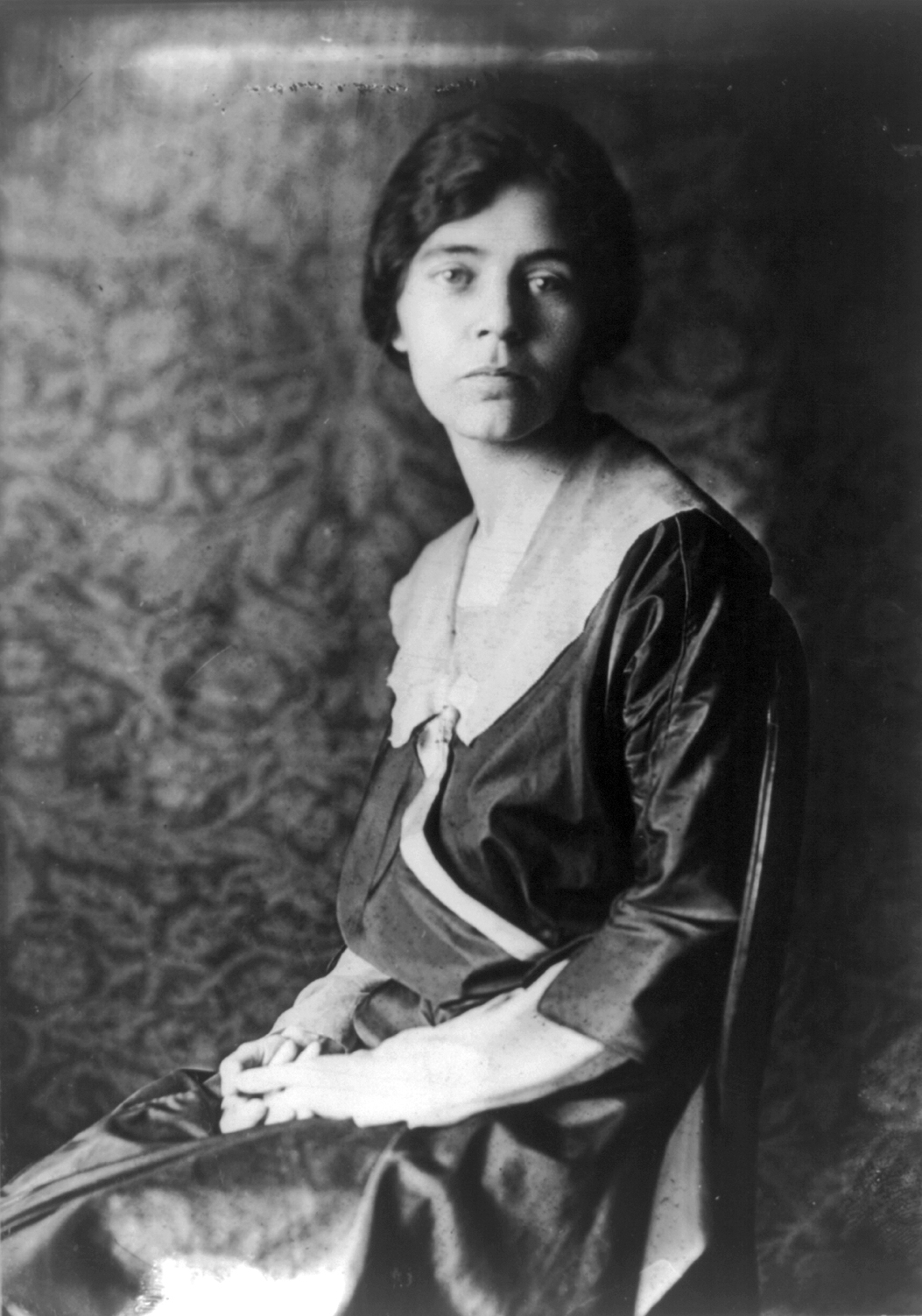
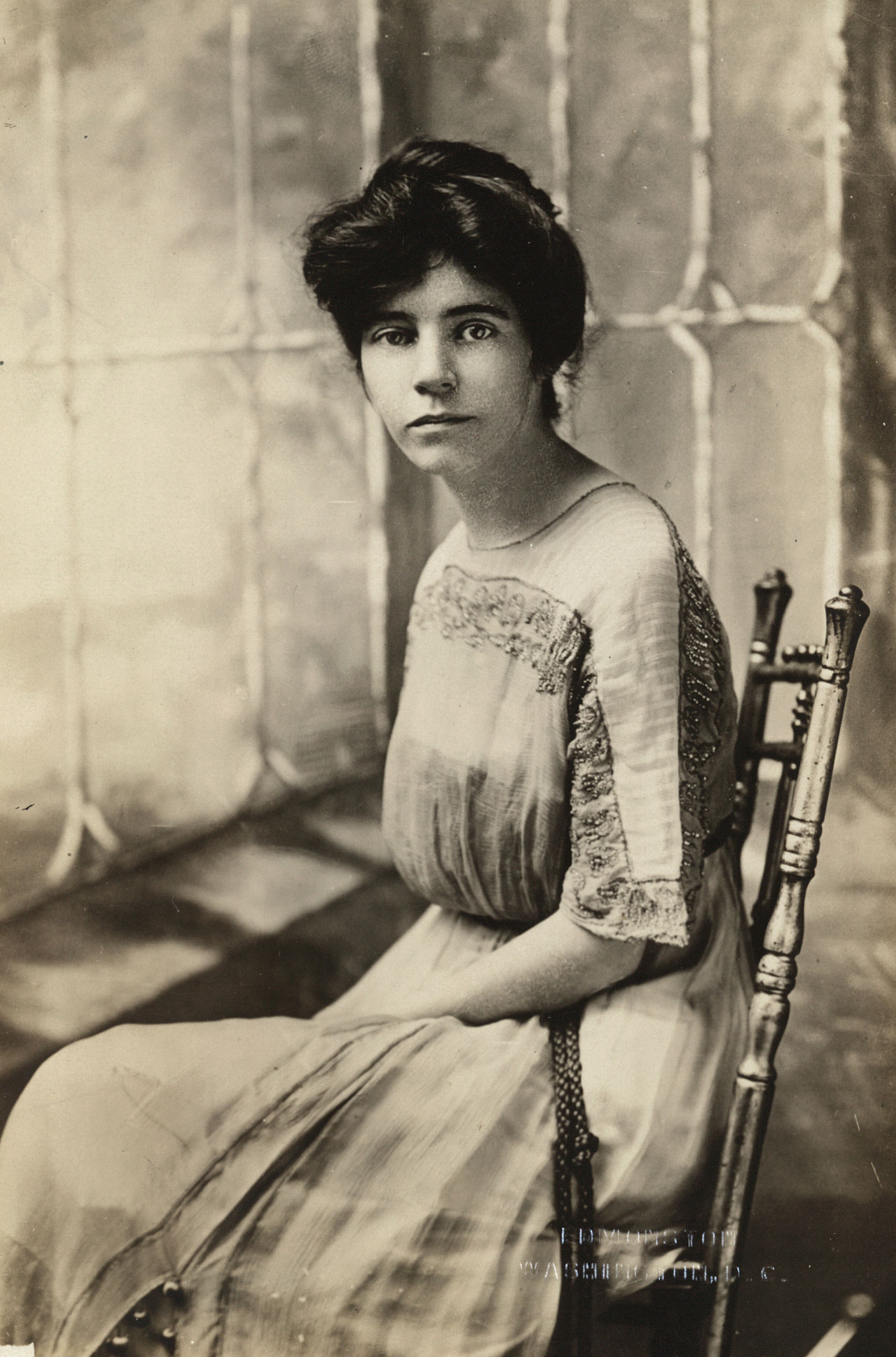
Alice Stokes Paul (January 11, 1885 – July 9, 1977) was a leading American suffragist and political strategist whose campaigns and organizational work reshaped the movement for women's voting rights and later for constitutional equality. Known for disciplined nonviolent protest, legal arguments, and direct lobbying, Paul combined lessons learned from British suffragists with American political tactics. Her leadership contributed to the adoption of the Nineteenth Amendment, and she later drafted the first federal proposal for an Equal Rights Amendment.
Image gallery
10 Images




Early life and education
Raised in a Quaker family, Paul was influenced by principles of equality and social responsibility. She pursued higher education and spent formative time studying and observing suffrage activism in England, where she worked with militant organizers and met fellow activists who would become close collaborators. Those experiences shaped her conviction that sustained, highly visible pressure on political institutions was necessary to win reforms.
Suffrage activism and tactics
Paul helped organize large public demonstrations and founded a separate organization that emphasized national-level pressure rather than only state-by-state campaigns. She played a central role in the Woman Suffrage Procession in Washington, D.C., and later led continuous demonstrations outside the White House known as the "Silent Sentinels." Arrests, imprisonment, hunger strikes, and force-feeding of protesters brought public attention and sympathy to the movement. One notable episode of harsh treatment of imprisoned suffragists galvanized broader support and highlighted the federal stakes of the struggle.
Passage of the Nineteenth Amendment and political work
Paul and her associates concentrated on securing a federal constitutional amendment to guarantee voting rights for women nationwide. Their persistent lobbying of members of Congress, coupled with public demonstrations and strategic alliances, contributed to the final push that resulted in ratification of the amendment guaranteeing women the ballot in 1920. Paul believed that a clear constitutional guarantee was the most durable route to equality, and she continued to press lawmakers to turn principles into enforceable law.
Equal Rights Amendment and later years
In 1923 Paul authored and introduced what became known as the Equal Rights Amendment, arguing that legal distinctions based on sex should be removed from the Constitution. She and the National Woman's Party worked for decades to promote the ERA in Congress and among state legislatures. Congress passed an ERA measure in the early 1970s and sent it to the states for ratification, beginning a complex and contested process that required approval by a specified number of states. Despite extensive advocacy, the amendment did not achieve the necessary state ratifications before the official deadline, and efforts to enact federal equal-rights language have continued in various forms since then. For background on the congressional and state processes involved, see discussions of the amendment's legislative journey here.
Legacy and significance
Alice Paul's tactics and organizational innovations left a lasting imprint on American activism: disciplined, focused national campaigns; use of nonviolent civil disobedience to create political pressure; and long-term legislative strategy aimed at constitutional change. Her work is remembered both for its role in achieving women's suffrage and for laying the groundwork for later movements that sought formal legal equality. The debate over the ERA and the broader pursuit of sex equality in law continues to reflect many of the questions Paul raised about the best means to secure equal citizenship under the Constitution. For further reading on Paul's life and the movements she influenced, see archival collections and interpretive histories that trace suffrage and constitutional reform efforts here.
- Born: January 11, 1885
- Died: July 9, 1977
- Major roles: Organizer of national suffrage campaigns; founder of the National Woman's Party; drafter of the 1923 ERA proposal
Questions and answers
Q: Who was Alice Stokes Paul?
A: Alice Stokes Paul was an American suffragist and activist who led a successful campaign for women's suffrage.
Q: Who did Alice Paul work with to achieve women's suffrage?
A: Alice Paul worked with Lucy Burns and others to achieve women's suffrage.
Q: What was the result of Alice Paul's work for women's suffrage?
A: The result of Alice Paul's work for women's suffrage was the passage of the Nineteenth Amendment to the U.S. Constitution in 1920.
Q: What is the Equal Rights Amendment (ERA)?
A: The Equal Rights Amendment (ERA) was a proposed amendment to the U.S. Constitution that was authored by Alice Paul in 1923 to ensure equal rights for all citizens regardless of gender.
Q: When was the ERA approved by the Senate and submitted to the state legislatures for ratification?
A: The ERA was approved by the Senate and submitted to the state legislatures for ratification in 1972.
Q: How many states voted in favor of the ERA before the deadline for ratification?
A: Only 35 states voted in favor of the ERA before the deadline for ratification.
Q: What are some current efforts related to the ERA and other equality amendments?
A: Some current efforts related to the ERA and other equality amendments include working to have the states pass the ERA passed by Congress in the 1970s, and working to add a new equality amendment to the US Constitution. Additionally, almost half of the U.S. states have adopted the ERA into their state constitutions.
Related articles
Author
AlegsaOnline.com Alice Paul: Architect of the U.S. Women's Suffrage Campaign and ERA Advocate Leandro Alegsa
URL: https://en.alegsaonline.com/art/2601
Sources
- commons.wikimedia.org : Alice Paul
- americanheritage.com : Jean H. Baker
- nationalwomansparty.org : "Lucy Burns | National Woman's Party"
- lkwdpl.org : "Alice Paul Biography"
- historywired.si.edu : "ERA Charm Bracelet"
- womenshistory.about.com : "Brutal Treatment of Women Suffragists at Occoquan Workhouse"