
Alice Coachman — American Olympic High Jumper
Alice Coachman (1923–2014) was an American high jumper who won gold at the 1948 London Olympics, the first Black woman to win Olympic gold; later she worked in education and received multiple honors.
Overview
Alice Marie Coachman (November 9, 1923 – July 14, 2014) was an American track and field athlete best known for winning the Olympic gold medal in the high jump at the 1948 Summer Games in London. Her victory made her the first Black woman to win an Olympic gold medal, a milestone in both American sports history and the wider struggle for racial and gender equality in the mid-20th century. Her accomplishments are regularly cited in biographies and athletic profiles for their sporting and social significance.
Image gallery
5 Images
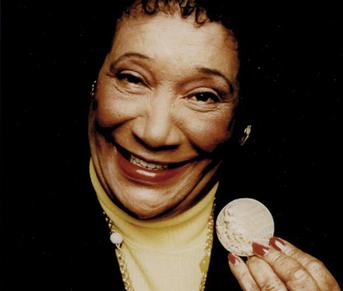


Early life and training
Born in the segregated South, Coachman grew up in Georgia and developed her athletic talents despite limited resources and opportunities for Black women at the time. She trained with local coaches and competed in regional meets, often facing racial segregation in travel and facilities. Her drive and success in state and national competitions helped her gain recognition and the chance to compete internationally.
Competitive career and achievements
Coachman specialized in the high jump, using jumping techniques common before later innovations such as the Fosbury Flop. Her most famous achievement was the Olympic title in 1948, but her career also included national championships and record-setting performances at the domestic level. She became a role model for younger athletes and demonstrated that Black women could achieve at the highest levels of international sport.
- Gold medal, high jump — 1948 Summer Olympics, London
- Multiple national titles and record performances during the 1940s
- Recognized later for contributions to sport and community
Legacy and honors
After retiring from competition, Coachman remained involved in athletics and education, working to encourage young people to participate in sport and to pursue physical education. Her legacy is celebrated in halls of fame, historical retrospectives, and commemorations of pioneering athletes. In 2002 she was named a Women's History Month Honoree by the National Women's History Project, an acknowledgement of her place in American history.
Distinctions and historical importance
Coachman's Olympic triumph stands out not only as a personal achievement but as a cultural landmark. She broke barriers at a time when segregation was enforced in many areas of public life, and her success contributed to changing perceptions about race and gender in athletics. Historians and sportswriters point to her career when tracing the gradual integration of American sport and the expansion of opportunities for women athletes.
Further reading
For concise biographical summaries and athletic records, see an athlete profile and a general biography. For information on Olympic results and historical context, consult an overview of the 1948 Games at Olympic records. The National Women's History Project's recognition is available via Women's History Month resources.
Coachman's story remains a touchstone in discussions about sport as a vehicle for social change, and she is remembered for combining athletic excellence with quiet perseverance in the face of social obstacles.
Related articles
Author
AlegsaOnline.com Alice Coachman — American Olympic High Jumper Leandro Alegsa
URL: https://en.alegsaonline.com/art/2590
Sources
- sports.jrank.org : "Alice Coachman Biography" · webcitation.org
- nwhp.org : "Honorees: 2010 National Women's History Month"