
Ali Shariati — Iranian sociologist, religious thinker and political intellectual
Ali Shariati (1933–1977) was an influential Iranian sociologist and Islamic thinker who blended religious ideas with social critique and helped shape intellectual currents before the 1979 Iranian Revolution.
Ali Shariati (born 1933 – died 1977) was a prominent Iranian intellectual and public lecturer whose writings and speeches combined sociology, history and Islamic thought. He wrote in Persian and is remembered both as a social critic and an articulate populariser of a politically engaged Islam. He is sometimes described as a philosopher, sociologist, teacher, poet and writer.
Image gallery
5 Images
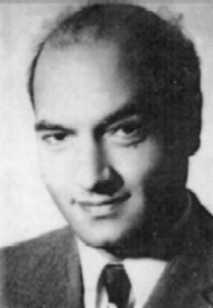


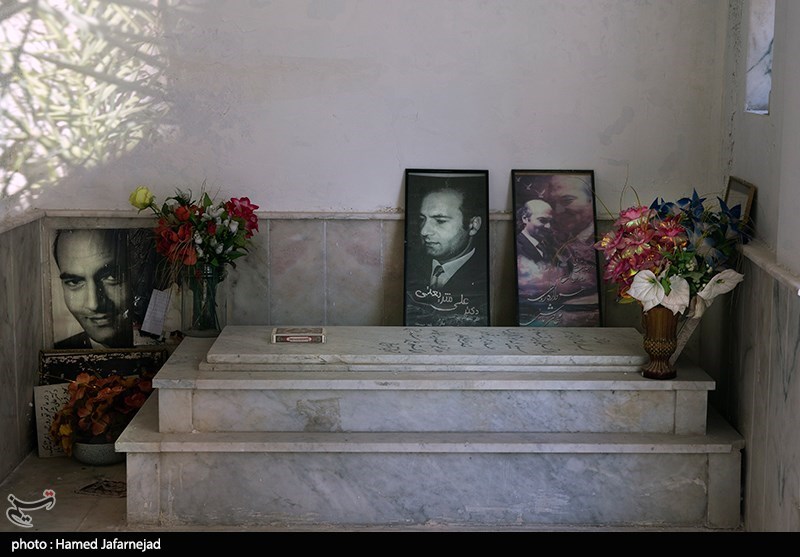
Life and career
Shariati trained in religious and modern social sciences, spent time studying in Europe, and returned to Iran in the 1960s and 1970s where his lectures attracted large student audiences. He used accessible language and storytelling to discuss religion, history and oppression. His public activity brought him into conflict with the Pahlavi authorities, and he spent periods under surveillance and brief detention. He died while abroad; the exact circumstances remain contested among historians.
Ideas and themes
- Critique of Western materialism and colonialism alongside a call for social justice rooted in Islamic values.
- Distinction between what he called "Red Shi'ism" (activist, socially engaged) and "Black Shi'ism" (ritualistic, apolitical).
- Synthesis of sociological analysis with religious narrative to motivate political and moral renewal.
- Emphasis on the role of youth, education and cultural reform in transformative movements.
Shariati's style mixed sermon, lecture and literary flourish; he reinterpreted religious symbols and figures to highlight themes of resistance and dignity. He drew on a range of sources—Islamic texts, modern social theory and anti-colonial thought—to craft a language that resonated with students and activists.
Works, influence and legacy
His published and recorded lectures circulated widely in Iran and abroad and influenced many who later took part in political change in 1979. Among topics he addressed were faith and modernity, martyrdom, and social responsibility. Scholars debate his precise intellectual position, but agree that his blend of religion and social critique made him a key figure in late-20th-century Iranian thought. His life and work are still studied for their literary energy, political impact and contested interpretations.
For further reading and primary sources, see collections of his lectures and contemporary studies of Iranian intellectual history.
Questions and answers
Q: Who is Ali Shariati?
A: Ali Shariati was an Iranian Muslim philosopher, sociologist, poet, and writer.
Q: When was Ali Shariati born and when did he pass away?
A: Ali Shariati was born in 1933 and passed away in 1977.
Q: What was Ali Shariati's profession?
A: Ali Shariati was a philosopher, sociologist, poet, and writer.
Q: What was Ali Shariati's religion?
A: Ali Shariati was a Muslim.
Q: Was Ali Shariati only known in Iran or did he have international recognition?
A: Ali Shariati's work had international recognition and he is known as one of the most influential Iranian intellectuals in the 20th century.
Q: Was Ali Shariati only known for his philosophical work?
A: No, aside from his philosophical work, Ali Shariati was also known for his poetry and literature.
Q: What was Ali Shariati's contribution to Iranian society?
A: Ali Shariati's contribution to Iranian society was vast, as he played a key role in the Iranian revolution and the emergence of revolutionary Islamism.
Tags
Related articles
Author
AlegsaOnline.com Ali Shariati — Iranian sociologist, religious thinker and political intellectual Leandro Alegsa
URL: https://en.alegsaonline.com/art/2581