
Arlington, Texas — city profile, history, attractions and institutions
Arlington, in Tarrant County, Texas, is a major city in the Dallas–Fort Worth metro area known for professional sports venues, theme parks, the University of Texas at Arlington, and a tourism-driven economy.
Overview
Arlington is a city in Tarrant County, within the larger Dallas–Fort Worth metropolitan region of the United States. Located roughly between Dallas and Fort Worth, Arlington functions as a regional center for sports, entertainment and higher education. Its identity combines suburban residential neighborhoods, commercial corridors and large event venues that draw visitors from across the metro area and beyond.
Image gallery
10 Images


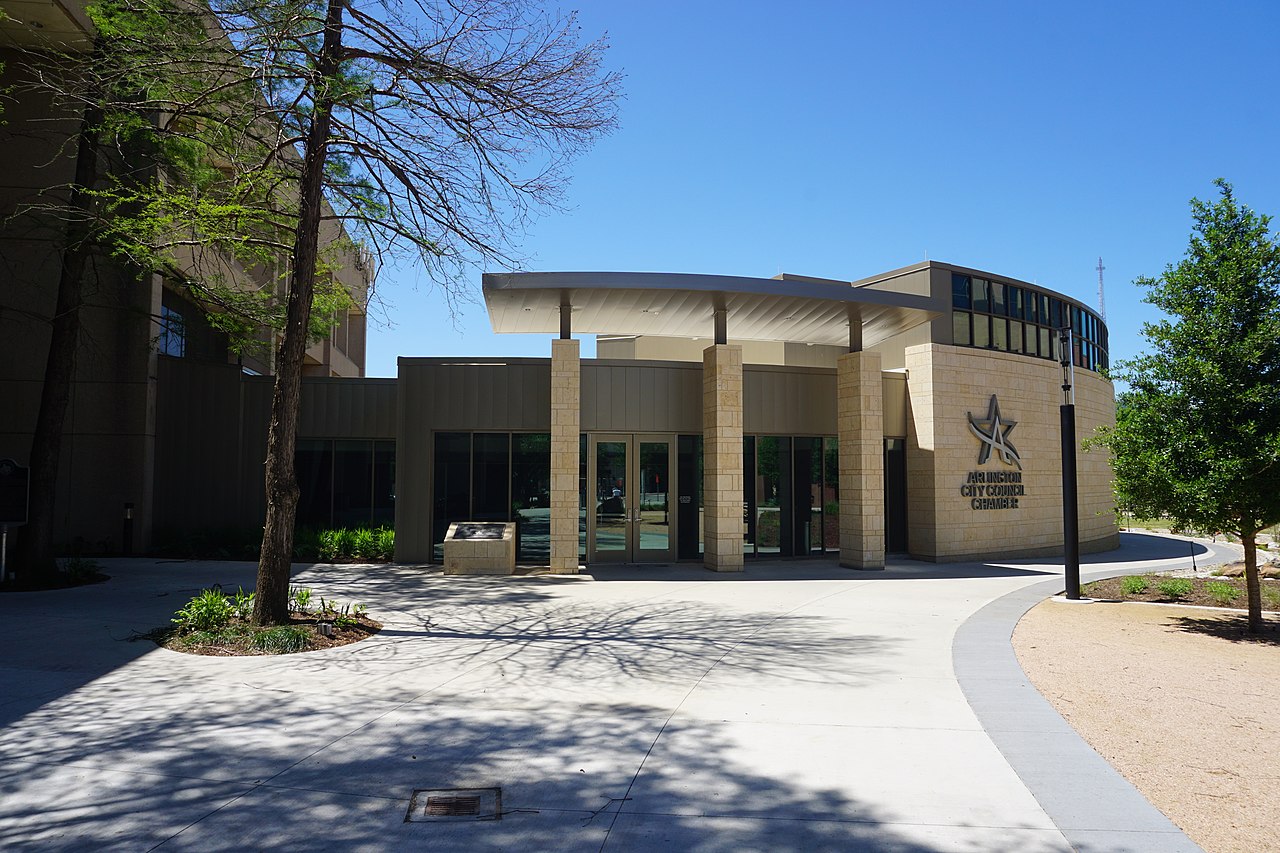


Geography and character
The city's setting places it amid the rolling plains of North Texas, with transportation links to major highways and rail connections serving commuters and freight. Arlington's built environment mixes single-family neighborhoods, shopping and business districts, and expansive sites occupied by stadiums and amusement parks. Municipal services and planning reflect a city balancing growth with recreational and cultural amenities.
History and development
Arlington grew from a small settlement into a sizable suburban city over the 19th and 20th centuries as rail lines, industry and later highway construction shaped the Dallas–Fort Worth area. Over time the community developed a mixed economy: local manufacturing and retail complemented by a growing focus on leisure, tourism and education as primary economic drivers.
Economy, attractions and institutions
Tourism and entertainment form an important part of Arlington's economy. Prominent venues include:
- AT&T Stadium, home of the NFL's Dallas Cowboys and a site for large events;
- Six Flags Over Texas and adjacent water-park attractions, which attract families and regional visitors;
- Globe Life Field, other sports and convention facilities, and the Texas Live! entertainment complex near stadiums.
The city also hosts offices and national organizations, such as the United States Bowling Congress, regional federal offices and groups like American Mensa, contributing to its civic profile.
Education and culture
Higher education plays a key role through the University of Texas at Arlington, which supports research, workforce development and cultural life. Local schools, parks, performing arts venues and community programs add to a diverse civic culture. Festivals, collegiate athletics and professional events provide regular cultural and economic activity.
Transportation and notable facts
Arlington is accessible by major roadways connecting to the rest of the Dallas–Fort Worth area, with public transit options linking key destinations. Its concentration of large-scale sports and entertainment sites distinguishes Arlington within the region and makes it a frequent destination for visitors and regional events. For more detailed municipal information, planning resources and visitor guidance consult local government and tourism pages.
Related articles
Author
AlegsaOnline.com Arlington, Texas — city profile, history, attractions and institutions Leandro Alegsa
URL: https://en.alegsaonline.com/art/5635
Sources
- arlingtontx.gov : "Home – City Manager"
- factfinder2.census.gov : "American FactFinder"
- factfinder.census.gov : "Population Estimates"
- factfinder2.census.gov : "American FactFinder" · web.archive.org
- geonames.usgs.gov : "US Board on Geographic Names"