
Dalida (Iolanda Cristina Gigliotti) — singer and actress
Dalida (1933–1987), born Iolanda Cristina Gigliotti in Cairo, was an Egyptian-born Italian-French singer and actress who achieved international popularity for her multilingual repertoire and dramatic stage presence.
Overview
Dalida (born Iolanda Cristina Gigliotti, January 17, 1933 – May 3, 1987) was an internationally known singer and performer. Born to an Italian family in Cairo, she built a long career in France and beyond, recording and performing in several languages and becoming one of the most recognizable voices of postwar popular song in Europe.
Image gallery
10 Images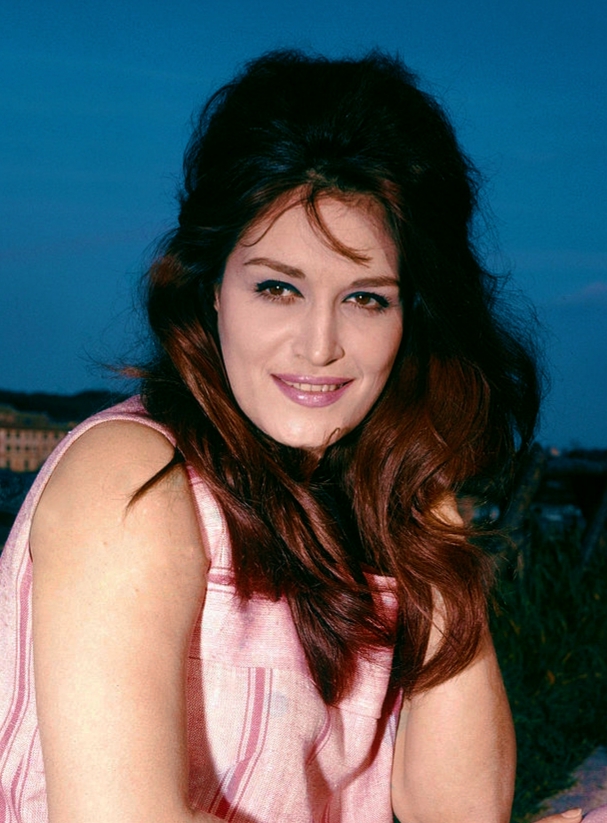


Career and musical style
Dalida's repertoire spanned pop, chanson, world music and disco-influenced dance tracks. She combined a theatrical delivery with a warm, expressive vocal tone that allowed her to move between sentimental ballads and up-tempo numbers. She recorded many songs in French and Italian and also released material in other languages. Dalida also worked as an actress early in her career and appeared in films and stage productions, though singing remained her principal vocation.
Early life and rise to fame
Born in Cairo to an Italian family, she began in modelling and local pageants before moving to Europe. She established herself in France in the 1950s after a breakthrough hit that brought her wide popular attention. From the late 1950s through the 1970s she enjoyed regular chart success and a reputation for reinventing her image and sound to stay relevant across changing musical trends.
Notable songs and achievements
- Several widely known songs are associated with her name; her catalog includes memorable ballads and dramatic pop narratives.
- She cultivated an international audience, recording in multiple languages and touring extensively.
- Her career spanned more than three decades and made her a fixture of French popular culture.
Legacy and cultural impact
Dalida left a lasting influence on French popular music and remains a subject of biographies, documentaries and artistic tributes. Her life—marked by professional successes, personal challenges and a well-publicized death in 1987—continues to inspire interest among music historians and fans. Her story is often cited when discussing fame, the pressures of stardom and the international circulation of popular song in the 20th century.
Notable facts
- She held Italian nationality and later acquired French citizenship; she performed in many European and world languages.
- Her repertoire adapted to stylistic shifts from chanson to disco, helping her remain popular for decades.
- Her life and music continue to be celebrated in exhibitions, books and performances honoring her artistic legacy.
Related articles
Author
AlegsaOnline.com Dalida (Iolanda Cristina Gigliotti) — singer and actress Leandro Alegsa
URL: https://en.alegsaonline.com/art/25195