
D. T. Suzuki: life and influence of a promoter of Zen and Buddhist studies
D. T. Suzuki (1870–1966) was a Japanese scholar, translator, and writer whose works on Zen and Mahayana Buddhism played a major role in introducing Eastern thought to Western audiences.
D. T. Suzuki (1870–1966) was a Japanese scholar, translator and author whose writings helped bring Buddhist ideas—particularly Zen—to wide attention outside East Asia. Trained in Buddhist scholarship and affiliated with Japanese religious institutions, he combined classical textual study with interpretations aimed at Western readers. His accessible essays and translations made complex doctrines intelligible to new audiences and shaped how many in the West encountered Zen.
Image gallery
5 Images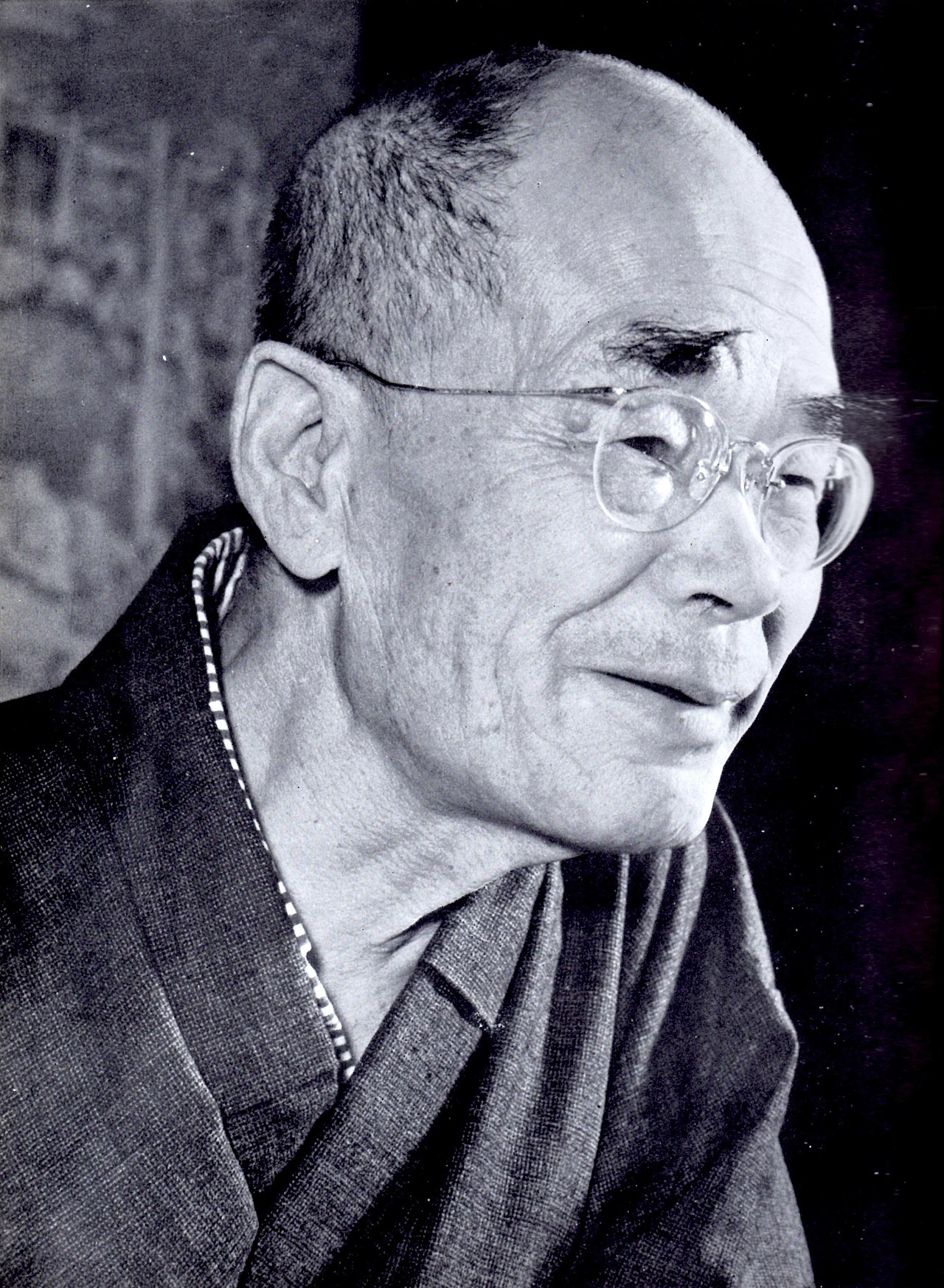
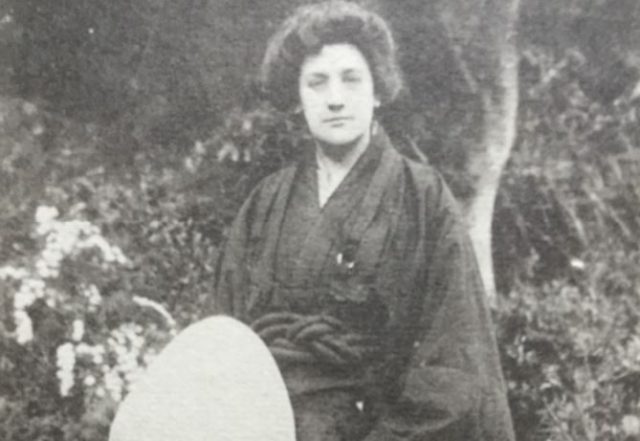


Ideas and characteristics
Suzuki emphasized direct, lived experience of awakening over scholastic argument, stressing intuitive insight, meditation, and the transformative quality of practice. He drew on Mahayana concepts and Zen narratives to illustrate a view of awakening as immediate and nonconceptual. At the same time he often presented Zen in terms congenial to modern Western sensibilities—highlighting psychology, aesthetics, and personal freedom—so his accounts tend toward a modernizing, universalist style rather than strict sectarian description.
Career and translations
Over several decades Suzuki wrote, lectured and taught both in Japan and abroad. He served on the faculty of Otani University and accepted visiting posts and speaking engagements at Western universities. He was also a prolific translator: he rendered important Chinese, Japanese and Sanskrit materials into modern languages and compiled anthologies intended for non-specialists. Examples of his work include collections of essays and introductions to Zen that combined translation, commentary and exposition.
Writings, audiences and influence
Suzuki's books and essays reached philosophers, artists, religious seekers and academics in Europe and North America. His clear prose and evocative examples helped stimulate Western interest in meditation, East Asian art and comparative religion. Influential writers, thinkers and practitioners cited his work as formative in their encounters with Buddhist thought. For readers beginning their study of Asian religions, his books still function as an accessible entry point.
Notable facts and distinctions
- He combined roles as scholar, translator and public intellectual, aiming his writing at both specialists and general readers.
- His presentation of Zen favored immediacy and experience, which shaped popular perceptions but also simplified some historical and doctrinal complexities.
- Scholars have both praised his role in cross-cultural exchange and critiqued aspects of his interpretations and their historical framing.
For a concise overview of his life and bibliographic information see a general biography. To explore his treatment of Buddhist doctrine consult work on Buddhism and Zen introductions such as available discussions of Zen. For details about his translations and editions see dedicated pages on his translations and primary source work in Sanskrit and East Asian texts.
Questions and answers
Q: Who is D.T. Suzuki?
A: D.T. Suzuki was a Japanese philosopher and writer.
Q: What were D.T. Suzuki's books and essays about?
A: D.T. Suzuki's books and essays were about Buddhism, Zen and Shin.
Q: What is D.T. Suzuki known for?
A: D.T. Suzuki is known for spreading interest in Eastern philosophy to the West.
Q: What languages did D.T. Suzuki translate literature from?
A: D.T. Suzuki translated literature from Chinese, Japanese, and Sanskrit.
Q: Where did D.T. Suzuki teach?
A: D.T. Suzuki taught at Western universities and spent many years as a professor at Otani University.
Q: What was D.T. Suzuki's full name?
A: D.T. Suzuki's full name was Suzuki Daisetsu Teitarō.
Q: When did D.T. Suzuki pass away?
A: D.T. Suzuki passed away on July 12th, 1966.
Related articles
Author
AlegsaOnline.com D. T. Suzuki: life and influence of a promoter of Zen and Buddhist studies Leandro Alegsa
URL: https://en.alegsaonline.com/art/25007
Sources
- kanazawa-museum.jp : D. T. SUZUKI MUSEUM
- buddhanet.net : set in PDF
- azenlife-film.org : A ZEN LIFE