
Customs: role, procedures, enforcement and international context
Overview of national customs authorities: functions at borders and post, types of duties, enforcement, document procedures, customs unions, and modernisation of customs control.
Overview
Customs are government agencies responsible for controlling the movement of goods across a country's borders and collecting taxes on imports and certain domestic products. They operate at seaports, airports, land border crossings and postal processing centres to prevent the entry of prohibited items, to enforce import and export rules, and to collect revenue such as customs duties and excise taxes. Customs work overlaps with other border services (for example immigration and border police) but focuses on goods rather than people.
Image gallery
8 Images


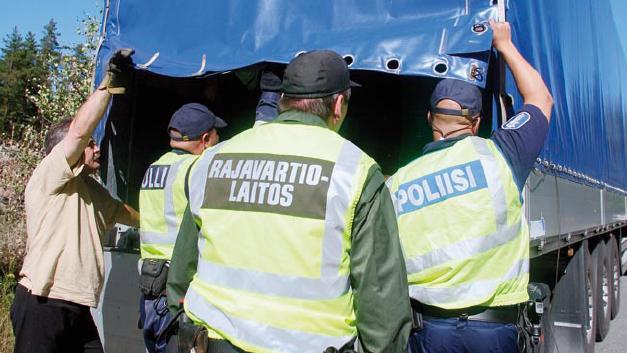
Main functions
- Revenue collection: assessing and collecting customs duties, and sometimes administration of value-added tax (VAT) or excise duties on imported items.
- Protection: preventing illegal imports such as controlled drugs, weapons, counterfeit goods and protected wildlife.
- Compliance and facilitation: ensuring traders meet legal requirements while trying to expedite legitimate trade.
- Statistics and trade policy support: compiling import/export data used for economic policy and trade negotiations.
Processes, documentation and actors
The passage of goods through customs typically requires documentation and classification. Common documents include a commercial invoice, bill of lading or airway bill, packing list and a customs declaration stating the nature, value and origin of the goods. Tariff classification uses internationally harmonised codes for products; these codes determine duty rates and any applicable restrictions. Importers often use customs brokers or agents to prepare and submit declarations on their behalf.
Inspection, enforcement and risk management
Customs combine routine inspections with intelligence-led targeting. Physical examination of containers or parcels is balanced against paperwork checks and risk profiling; many administrations use electronic risk-scoring systems to select consignments for inspection. Enforcement activities include seizure of prohibited goods, investigation of smuggling, and cooperation with police and international partners. Some commodities — for example certain pharmaceuticals, agricultural products or endangered species — require permits or veterinary inspection on arrival.
History and institutional variations
Historically, customs duties have been a major source of state revenue and were sometimes paired with excise systems that taxed domestically produced goods. In the United Kingdom the two were combined historically under the name "Customs and Excise," reflecting duties on imports and excise duties on domestic items such as Scotch whisky. Different countries organise customs within ministries of finance, interior or trade, and some enforce a separate border force model. In customs unions or single markets, internal controls are reduced or removed and a common external tariff applies.
International cooperation and modernisation
Customs administrations cooperate internationally through organisations and agreements to harmonise procedures, combat cross-border crime and facilitate trade. Modernisation trends include electronic submission of declarations, single-window systems that integrate multiple government agencies, and mutual recognition of trusted traders to speed clearance. These changes aim to reduce delays and costs for legitimate trade while maintaining controls against fraud and illegal imports.
Notable distinctions and practical considerations
Customs is distinct from immigration control: the former regulates goods and the latter regulates people. Travellers should be aware of allowances, prohibited items and the need to declare certain goods. Businesses involved in import or export must understand tariff classification, rules of origin, and any quotas or licensing requirements that apply. Proper compliance reduces the risk of fines, seizures and delays while contributing to lawful international trade and public safety.
Related articles
Author
AlegsaOnline.com Customs: role, procedures, enforcement and international context Leandro Alegsa
URL: https://en.alegsaonline.com/art/24789