
Cuban Thaw: U.S.–Cuba Rapprochement Beginning in 2014
The Cuban Thaw describes the 2014–2016 warming of relations between the United States and Cuba, marked by restored diplomatic ties, eased travel and commerce, notable visits, and later policy reversals.
Overview
The term Cuban Thaw (Spanish: deshielo cubano) refers to a period of diplomatic warming between the United States and Cuba that began in December 2014 after more than five decades of strained relations. The initiative sought to normalize contacts, reopen diplomatic channels and reduce certain restrictions on travel, trade and communication, while leaving the long-standing economic embargo largely intact because that requires congressional action to repeal.
Image gallery
10 Images


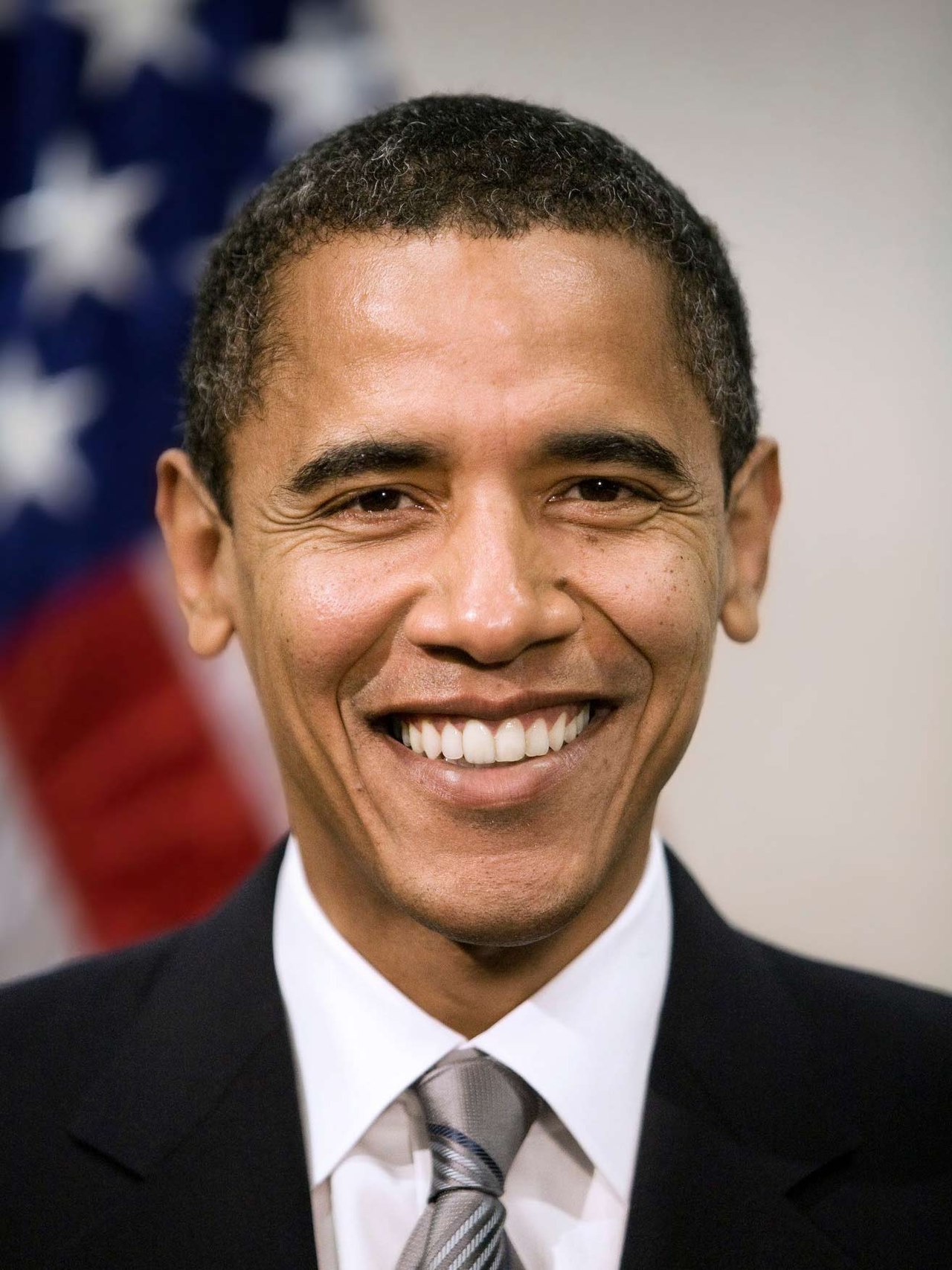

Key measures and developments
Reforms and gestures during the early phase of the thaw included several concrete steps by both governments to restore formal ties and facilitate people-to-people connections. Major items included:
- Restoration of diplomatic relations and reopening of embassies in Havana and Washington.
- Easing of some travel categories and the resumption of regular commercial flights and shipping links.
- Limited expansion of trade and U.S. business activity, especially in telecommunications and travel-related services.
- Removal of Cuba from the U.S. list of state sponsors of terrorism in 2015 and other regulatory changes to facilitate certain transactions.
Timeline and notable events
The public diplomatic shift was announced in December 2014 and several actions followed through 2015 and 2016. A high-profile milestone came when President Barack Obama visited Cuba in March 2016, the first sitting U.S. president to travel there since 1928. Those events symbolized a new phase of bilateral engagement, though many legal and political constraints remained.
Political context and consequences
The thaw was driven by a mix of diplomatic strategy and pragmatic interests: modernizing relations, expanding cultural and economic ties, and providing new opportunities for travel and entrepreneurship. It generated mixed reactions domestically in both countries. U.S. Congress retained control over the embargo, and critics argued the changes did not resolve human-rights concerns or bring rapid economic reform in Cuba. Supporters said the measures opened channels for influence and cooperation that were preferable to isolation.
Rollback, legacy and current status
Beginning in 2017, subsequent U.S. administrations introduced restrictions that reversed or limited aspects of the thaw, tightening travel rules and reducing some commercial activities. Nevertheless, the 2014–2016 rapprochement left a lasting imprint on diplomacy, people-to-people contacts and business ties, and it remains a reference point in debates over the best way to engage with Cuba going forward.
Notable distinctions
The Cuban Thaw is distinctive for combining symbolic diplomacy with targeted regulatory changes rather than a full legal reversal of the embargo. Its mixed outcomes illustrate how executive actions can alter international relations quickly while domestic and legislative constraints can limit how far such changes go.
Related articles
Author
AlegsaOnline.com Cuban Thaw: U.S.–Cuba Rapprochement Beginning in 2014 Leandro Alegsa
URL: https://en.alegsaonline.com/art/24519
Sources
- newsweek.com : "Betting on a Cuban Thaw: Stocks Soar on Rumors of U.S. Relations With Cuba"
- thenassauguardian.com : "CARICOM Launches Five-Year Plan"
- telam.com.ar : "Se inicia la Cumbre con la mira puesta en el 'deshielo' cubano-estadounidense"
- mundiario.com : "Dos mujeres diplomáticas dirigen las negociaciones en el deshielo cubano"
- washingtonpost.com : "Obama begins historic visit to Cuba"
- thedailybeast.com : "The Pope's Diplomatic Miracle: Ending the U.S.–Cuba Cold War"
- pwc.com : "Key Points from the President's Announcement on Cuba Sanctions"
- bloomberg.com : "Cuba's Half Century of Isolation to End" · web.archive.org
- nytimes.com : "Obama Announces U.S. and Cuba Will Resume Relations"
- aljazeera.com : "US and Cuba restore ties by opening embassies"
- cnn.com : "Trump chips away at Obama's legacy on Cuba"
- usatoday.com : "Live stream: Trump announces policy changes on Cuba"