
Alexei Kosygin: Soviet Premier and Economic Reformer (1904–1980)
Soviet statesman Alexei Kosygin served as Chairman of the Council of Ministers (Premier) from 1964 to 1980. A technocrat who pursued limited economic reform, he led government operations during the Brezhnev era.
Overview
Alexei Nikolayevich Kosygin (Russian: Алексе́й Никола́евич Косы́гин; born 21 February 1904 (Old Style 8 February) – 18 December 1980) was a Soviet statesman who served as Chairman of the Council of Ministers (Premier) of the Soviet Union from 1964 until his death in 1980. A career administrator and industrial manager by training, Kosygin was a central figure in the post-Khrushchev leadership and a partner in the collective governance that included Nikita Khrushchev earlier and later Leonid Brezhnev.
Image gallery
10 Images



Early life and rise
Kosygin came from a modest background and made his way up through industrial and party ranks, gaining a reputation as an effective organizer of wartime production and postwar reconstruction. His practical experience in economic management and close work with the Communist Party bureaucracy positioned him for senior government roles. After Khrushchev's removal in 1964, Kosygin became Premier as Soviet leadership emphasized a collective model of decision-making.
Premiership and economic policy
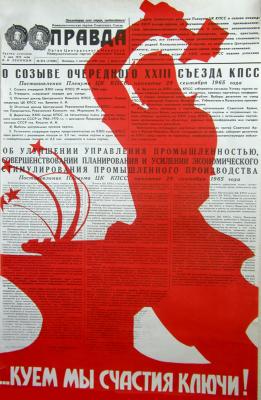
As Premier, Kosygin focused on managing the state economy and improving industrial efficiency. He is best known for the 1965 effort to introduce incentives and greater autonomy for enterprises—often called the Kosygin reform—which experimented with profitability indicators and limited decentralization. The reforms aimed to increase productivity and reduce rigid central planning, but they met resistance from conservative party officials and were only partially implemented.
Responsibilities and style
Kosygin's role combined day-to-day government administration with representation of the Soviet state abroad. He was regarded as a pragmatic, low-profile technocrat who preferred negotiation and administrative solutions to ideological confrontation. In foreign affairs he took part in trade diplomacy and détente-era visits intended to expand economic ties with Western countries.
Limitations and legacy
Despite his long tenure, Kosygin never accumulated the same political authority as the party general secretary. The balance of power increasingly favored Brezhnev, and many of Kosygin's initiatives were diluted or reversed. Historians generally view him as a capable manager who attempted modest reforms within the constraints of the Soviet political system; his efforts highlighted both possibilities and limits for economic change in a heavily centralized state.
Notable facts
- Served as Soviet Premier from 1964 to 1980, one of the longest postwar tenures in that office.
- Associated with a 1960s program to grant enterprises greater decision-making power and to introduce profit incentives.
- Worked in a collective leadership model alongside the Communist Party apparatus rather than as sole leader.
For more on Kosygin's policies and the broader political context of his era, consult accounts of Soviet economic reforms and Cold War governance that detail how technocratic initiatives interacted with party priorities and international pressures.
Tags
Related articles
Author
AlegsaOnline.com Alexei Kosygin: Soviet Premier and Economic Reformer (1904–1980) Leandro Alegsa
URL: https://en.alegsaonline.com/art/2433