
Croke Park: Ireland's principal GAA stadium and national sporting venue
Croke Park is the largest stadium in Ireland and the principal ground of the Gaelic Athletic Association (GAA). It hosts major Gaelic games, concerts, tours and has served temporarily for soccer and rugby.
Croke Park (Irish: Páirc an Chrócaigh) is the principal stadium and headquarters of the Gaelic Athletic Association (GAA). Located in the north inner city of Dublin, near the city centre on Jones's Road, it is the largest stadium in Ireland and one of the largest in Europe by capacity. The arena is a focal point for Gaelic games and Irish sporting culture and is widely recognised as a national landmark.
Image gallery
10 Images




Characteristics and layout
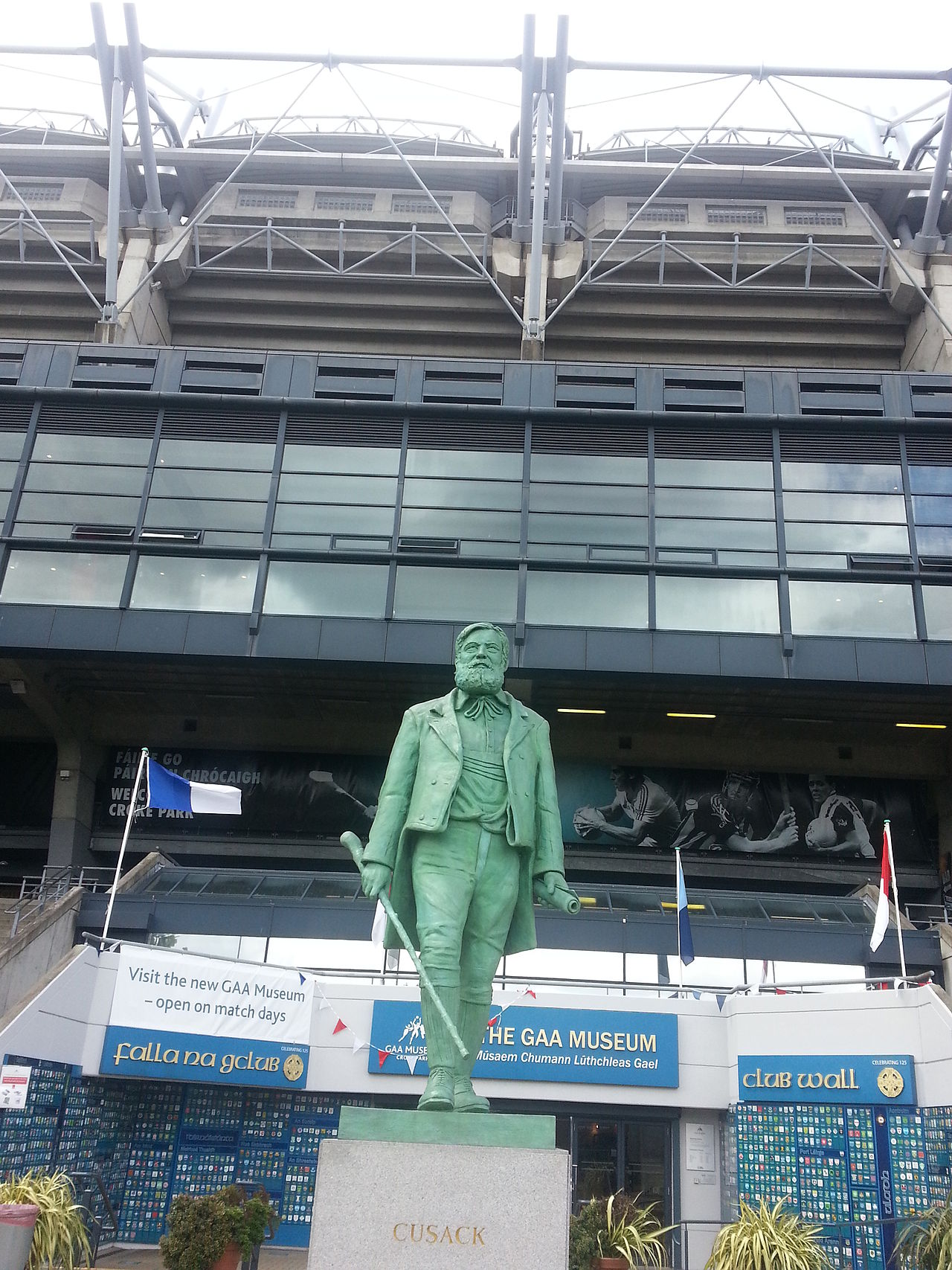
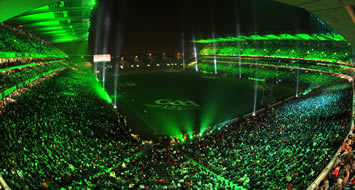
The ground has an all-seated capacity of approximately 82,300 spectators. It is laid out with four main stands that surround a wide grass pitch designed to accommodate Gaelic football and hurling, sports that require larger playing areas than association football. Named stands and sections—such as the Hogan Stand, the Cusack Stand and the Davin Stand—honour figures important to the GAA’s history and provide distinct spectator zones, press facilities and hospitality suites. The stadium complex also houses conference facilities, a museum, and visitor services.
History and development
The GAA, founded in 1884, established Croke Park as its primary venue and administrative centre as the association grew. The site has evolved through successive phases of redevelopment across the 20th and early 21st centuries: older terraces were replaced by modern seated stands, and capacity, safety and visitor amenities were substantially improved. The name commemorates Archbishop Thomas Croke, one of the earliest patrons of the association. Memorials and plaques inside the venue mark significant moments in Irish sporting and national history, including the events of Bloody Sunday in 1920, which are remembered in the stadium’s fabric.
Uses and notable events
Croke Park is best known for hosting the All-Ireland Senior Football and Senior Hurling Championship finals each year, fixtures that attract national attention and large attendances. It also stages provincial finals, club finals and other major GAA fixtures. Beyond Gaelic games, the stadium has held large-scale concerts by international and Irish artists and has been a venue for major cultural events. During a temporary period when Ireland’s primary rugby and soccer venue was unavailable, Croke Park was adapted to host international rugby and association football matches between 2007 and 2009.
- Annual highlights: All-Ireland finals for hurling and football.
- Temporary uses: Hosted international rugby and soccer while the national stadium was redeveloped.
- Cultural role: Concerts, ceremonies and public gatherings.
Visitors can explore the site via guided stadium tours and a dedicated GAA Museum that presents artifacts, trophies and audiovisual material tracing the history of Gaelic games and their social significance. The stadium continues to be managed by the GAA as a working sports venue and as a public-facing site for education, tourism and major events.
For further background on the name and Irish-language form, see Páirc an Chrócaigh. General information about the stadium and its facilities is available through official sources and venue guides (stadium information), local Dublin resources (Dublin) and summaries that place it among Europe’s largest arenas by capacity (European stadium rankings).
Related articles
Author
AlegsaOnline.com Croke Park: Ireland's principal GAA stadium and national sporting venue Leandro Alegsa
URL: https://en.alegsaonline.com/art/24282