
COVID-19 pandemic in Venezuela: timeline, response and consequences
Overview of the COVID-19 pandemic in Venezuela, covering early cases, public-health measures, healthcare challenges, vaccination rollout, and social and economic effects.
The COVID-19 pandemic reached Venezuela in March 2020, when the first two laboratory-confirmed cases were announced on 13 March 2020 and the first death was reported on 26 March 2020. These events occurred as part of the broader global pandemic. Initial reporting and verification were shaped by limited testing capacity and evolving public-health protocols; the first confirmed diagnoses in the country are documented in official announcements and contemporaneous reporting (Venezuela's first confirmed cases).
Image gallery
3 Images
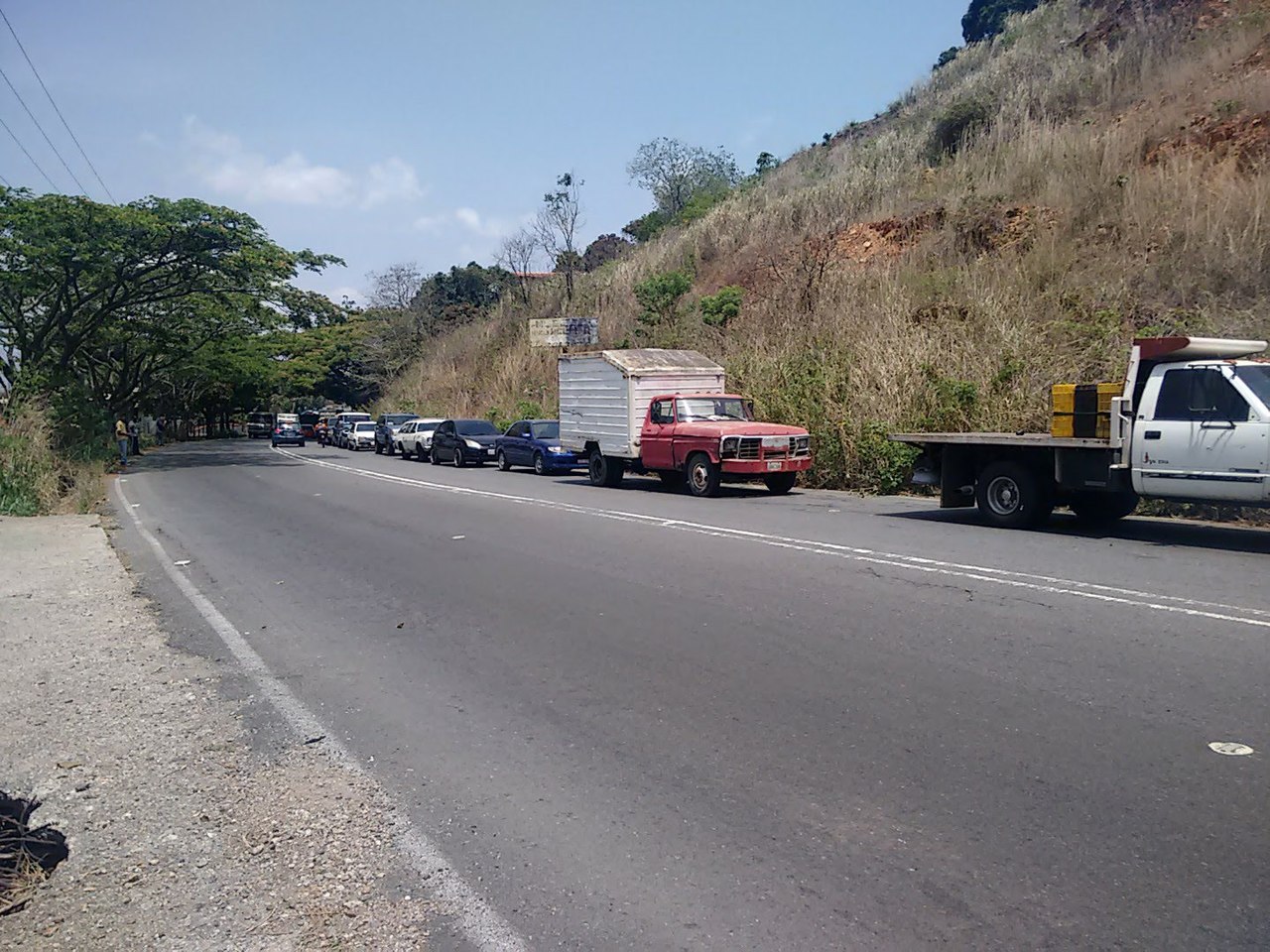

Background and timeline
The epidemic in Venezuela followed a familiar pattern of importation, local transmission, and clusters concentrated in urban areas. Public measures and case counts changed over time as authorities adjusted containment strategies. Key milestones include early border and travel restrictions, phases of mobility limitation, and later reopening steps synchronized with testing availability and hospital capacity.
Public-health response
- Non-pharmaceutical interventions: lockdowns, curfews, school closures and limits on gatherings.
- Testing and contact tracing efforts, which faced logistical obstacles and resource constraints.
- Risk communication campaigns encouraging masks, hygiene and social distancing.
Government responses combined national directives with local enforcement. Measures evolved according to case trends and international guidance, and were periodically tightened or relaxed in response to healthcare pressure.
Healthcare system and challenges
Venezuela entered the pandemic with a healthcare system already under strain from years of economic and infrastructural stress. Hospitals reported shortages of supplies, staff and critical equipment at various points, which complicated treatment of severe COVID-19 cases and other medical needs. Independent observers and international agencies noted difficulties in maintaining routine services alongside pandemic care.
Vaccination and international assistance
Vaccine campaigns began after vaccines became available globally, with a phased rollout prioritizing health workers and vulnerable groups. International cooperation, bilateral agreements and aid deliveries contributed to vaccine supplies and medical assistance. Distribution efforts had to contend with logistics, cold-chain requirements and equitable access concerns.
Impact and notable aspects
The pandemic affected Venezuela's economy, public services and migration patterns, deepening pressures on households and public finances. Data collection and reporting faced criticism for gaps and delays, leading observers to caution that official figures might underrepresent the full scope of infections. The crisis highlighted intersections between public health, governance and humanitarian concerns as Venezuela navigated a protracted public-health emergency.
Related articles
Author
AlegsaOnline.com COVID-19 pandemic in Venezuela: timeline, response and consequences Leandro Alegsa
URL: https://en.alegsaonline.com/art/23848
Sources
- runrun.es : "Nicolás Maduro reporta 17 nuevos casos de COVID-19"
- ntn24.com : "Régimen de Maduro confirma dos primeros casos de coronavirus"
- reuters.com : "Venezuela confirms coronavirus cases amid public health concerns"
- reuters.com : "Venezuela confirms first coronavirus death: official"
- efectococuyo.com : "Tercer fallecido por coronavirus en el país era un taxista de Antímano"
- efectococuyo.com : "De marzo a febrero: versiones sobre la llegada del coronavirus a Venezuela"
- uk.reuters.com : "Venezuela orders 'collective quarantine' in response to coronavirus"
- elnacional.com : "Embajador de Argentina en Venezuela contrajo coronavirus"
- runrun.es : "Maduro confirma 33 casos de coronavirus en Venezuela y ordena "cuarentena total" #16Mar"