
COVID-19 pandemic in Vietnam
Summary of the COVID-19 pandemic in Vietnam: first detection, containment strategy, major outbreaks, testing and vaccination efforts, and social and economic effects through early 2021.
Overview
The global outbreak of COVID-19 reached Vietnam in late January 2020. The country's first reported infection occurred on 23 January 2020, after which Vietnamese authorities implemented a mix of public-health measures to limit transmission. For much of 2020 Vietnam maintained low official case counts through rapid isolation, contact tracing and border controls.
Image gallery
10 Images


Response and public-health measures
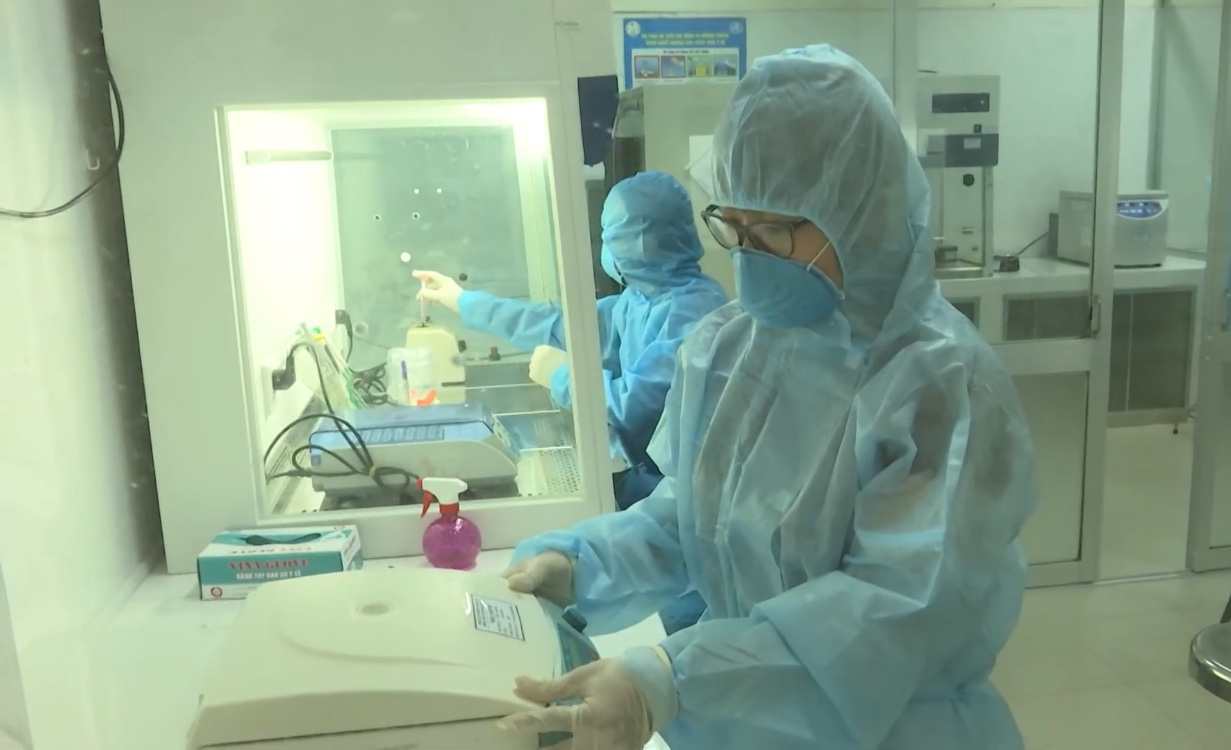
Vietnam's strategy relied on swift, centralized action: quarantine of contacts, mandatory isolation for arrivals, localized lockdowns, and intensive contact tracing often supported by technology and community networks. Public communication campaigns emphasized testing, mask wearing and hygiene. Health facilities were expanded and temporary quarantine centers were used to relieve hospitals.
Timeline and major outbreaks
After initial success containing early imported cases, Vietnam experienced sporadic outbreaks, including clusters linked to travel and crowded settings. By 21 February 2021 the government reported 2,383 confirmed cases, about 1,717 recoveries and 35 deaths, with more than 1.7 million tests performed; the northern province of Hai Duong was then the most affected area with several hundred cases. These figures reflect the situation as reported at that date and later waves occurred in 2021.
Testing, vaccination and data
Testing capacity was scaled up during 2020 and early 2021 and remains a core tool for surveillance; aggregated testing figures were published by authorities and health agencies (testing reports). Vaccination campaigns began in 2021 with government procurement and rollout plans; vaccines and schedules have been adjusted as availability changed.
Impact and notable facts
The pandemic affected Vietnam's economy, reducing tourism, disrupting supply chains and prompting emergency fiscal measures. Compared with many countries, Vietnam was noted for early decisive containment, though like other nations it faced trade-offs between strict controls and economic activity. Public compliance, rapid tracing and border management were widely credited with limiting large-scale transmission in the first year.
Key measures and lessons
- Early travel restrictions and quarantine for arrivals helped limit importation of cases.
- Extensive contact tracing and targeted lockdowns reduced the need for prolonged nationwide shutdowns.
- Transparent public messaging and community involvement aided adherence to measures.
For more general information on the disease and international context see global COVID-19 resources and for details about the epidemic's course in Vietnam consult official national reports and public health updates.
Related articles
Author
AlegsaOnline.com COVID-19 pandemic in Vietnam Leandro Alegsa
URL: https://en.alegsaonline.com/art/23849
Sources
- ncov.moh.gov.vn : "TRANG TIN VỀ DỊCH BỆNH VIÊM ĐƯỜNG HÔ HẤP CẤP COVID-19"
- thehill.com : "Vietnam reports first coronavirus cases" · web.archive.org
- vnexpress.net : "Hai người viêm phổi Vũ Hán cách ly tại Bệnh viện Chợ Rẫy" · web.archive.org
- e.vnexpress.net : "One of Vietnam's first confirmed coronavirus patients recovers" · web.archive.org
- vnexpress.net : "Bệnh nhân viêm phổi corona thứ hai ở TP HCM xuất viện" · web.archive.org
- vnexpress.net : "Chiều nay không ghi nhận thêm ca nhiễm nCoV"
- tuoitre.vn : "Việt Nam liên tục không có ca COVID-19 mới, nhưng người dân không nên chủ quan"
- vnexpress.net : "'Bệnh nhân 188' tái dương tính sau khi xuất viện"
- thanhnien.vn : "Bệnh nhân Covid-19 thứ 22 tái dương tính lại… âm tính sau khi về Anh"
- dantri.com.vn : "Vietnam cofirmed 270 cases"
- thanhnien.vn : "Toàn cảnh 3 giai đoạn dịch Covid-19 tại Việt Nam"